Smallest Animal in the World: Top 15 Tiny Creatures Ranked by Size
The smallest animal in the world may be far tinier than you ever imagined, slipping through the cracks of our awareness despite its remarkable existence. From miniature frogs to minuscule insects, these tiny creatures play crucial roles in their ecosystems and offer fascinating insights into evolution and adaptation.
In this article, we will delve into the top 15 tiniest animals ranked by size, shedding light on their unique characteristics and significance. By the end, you’ll appreciate the incredible diversity of life that thrives around us, no matter how small.
What Is the Smallest Animal in the World?
The smallest animal in the world is often surprisingly elusive to both scientists and enthusiasts alike. While many might envision tiny insects or diminutive birds, the honor actually belongs to the bumblebee bat, also known as Kitti’s hog-nosed bat. Weighing in at around two grams and measuring just over an inch in length.
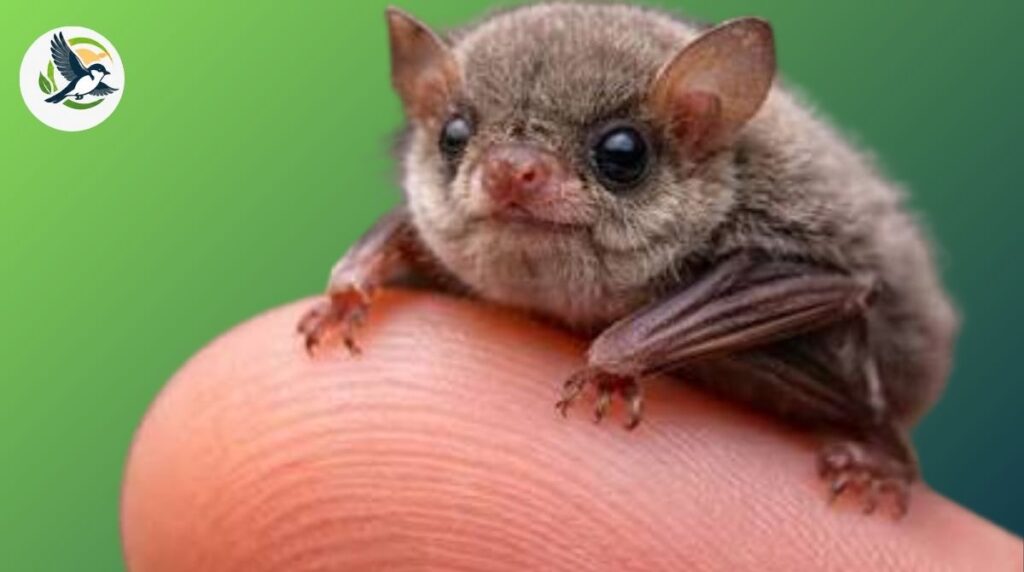
This tiny creature is a marvel of evolution, showcasing how adaptability can lead to miniature forms that thrive in specific niches. Beyond its size, the bumblebee bat holds ecological significance. Found primarily in the limestone caves of Thailand and Myanmar, it plays a vital role in pest control and pollination within its habitat.
Top 15 Smallest Animals in the World
- Myxozoan
- Paedophryne amauensis
- Brookesia nana
- Bee Hummingbird
- Etruscan Shrew
- Kitti’s Hog-Nosed Bat
- Paedocypris progenetica
- Barbados Threadsnake
- Monte Iberia Eleuth
- Fairyfly
- Denise’s Pygmy Seahorse
- Dwarf Lantern Shark
- Pygmy Marmoset
- Speckled Padloper Tortoise
- Stout Infantfish
Paedocypris progenetica
This tiny fish, measuring just 7.9 mm, exists in the peat swamps of Indonesia, showcasing incredible adaptation to extreme environments. Its diminutive size makes it one of the smallest vertebrates known, reminding us how life thrives even in the harshest conditions.
Brookesia nana
Known as the world’s tiniest chameleon, this creature boasts a length of about 13.5 mm. Found in Madagascar’s forests, its minuscule stature isn’t just an evolutionary marvel but also a testament to the biodiversity of the region.
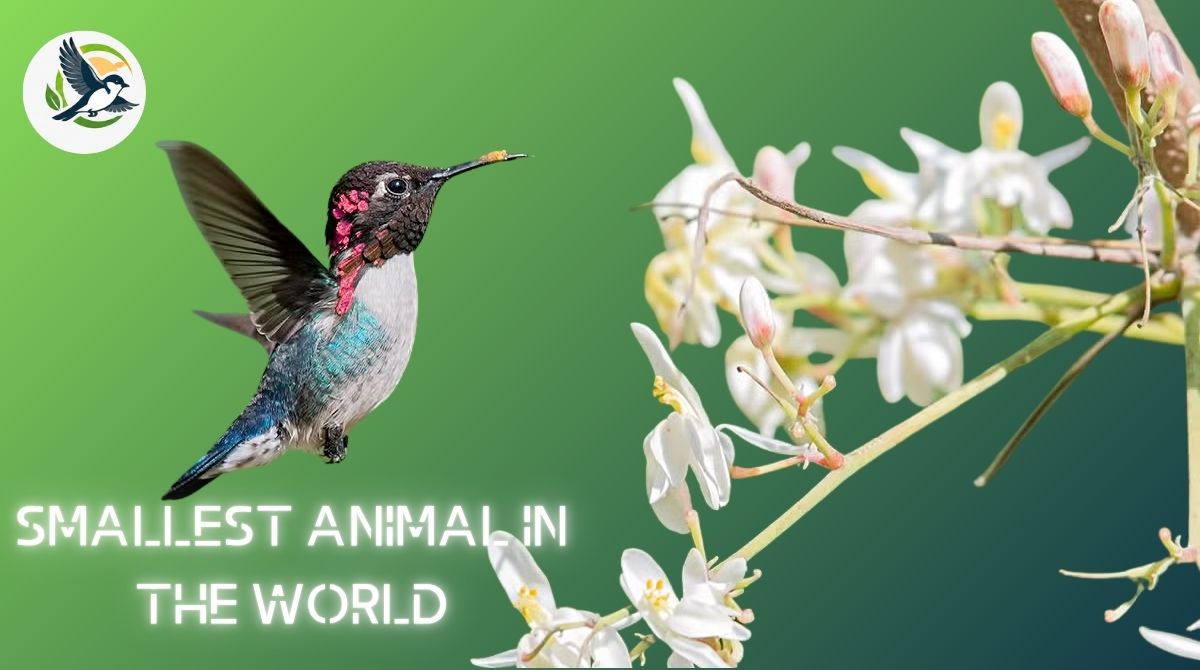
Bee Hummingbird
At only 2.2 inches, the bee hummingbird claims the title of the smallest bird. Native to Cuba, it weighs as little as a dime and flits between flowers, playing a crucial role in pollination while showcasing nature’s artistry in flight.
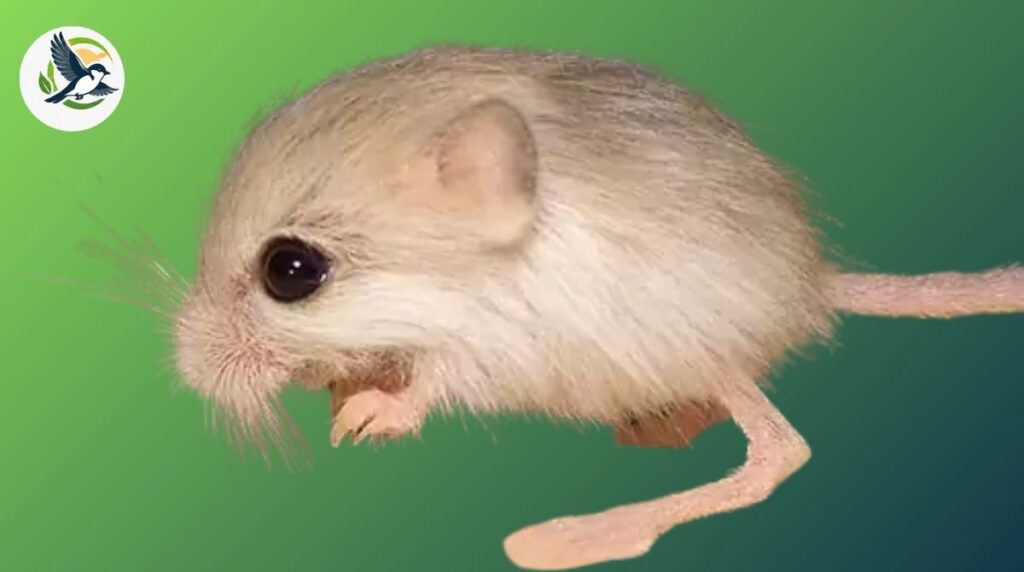
Etruscan Shrew
This fascinating mammal is the smallest, weighing in at just 2 grams. With a body length of around 3.5 inches, it’s often mistaken for a mouse, but it thrills with its speedy metabolism and requires massive amounts of food to sustain its energy levels.
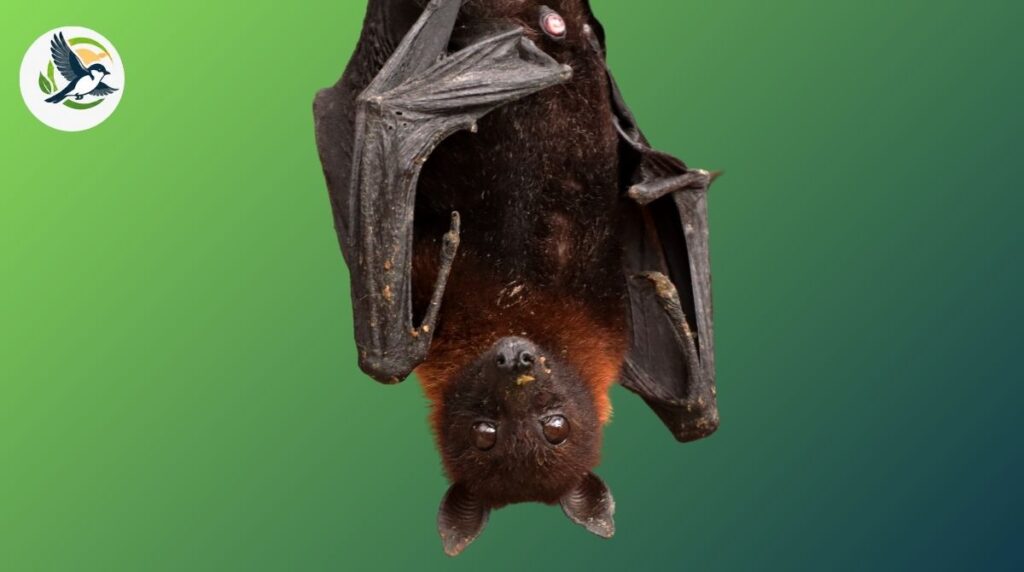
Kitti’s Hog-Nosed Bat
Often referred to as the “bumblebee bat,” this adorable creature is about the size of a thumb. Found in Thailand and Myanmar, its unique appearance and lifestyle offer insights into the incredible diversity of the insectivore world.
Read more: Largest Bird in the World: Discover the Biggest Birds on Earth
Fairyfly
Measuring just about 0.5 mm, fairyflies are among the smallest insects. Their minute size doesn’t hinder their ecological significance, as these tiny wasps are vital for controlling pest populations.
Denise’s Pygmy Seahorse
At about 14 mm, this delicate creature camouflages perfectly among corals, illustrating how even the smallest marine species can play a pivotal role in their ecosystems while captivating divers with their beauty.
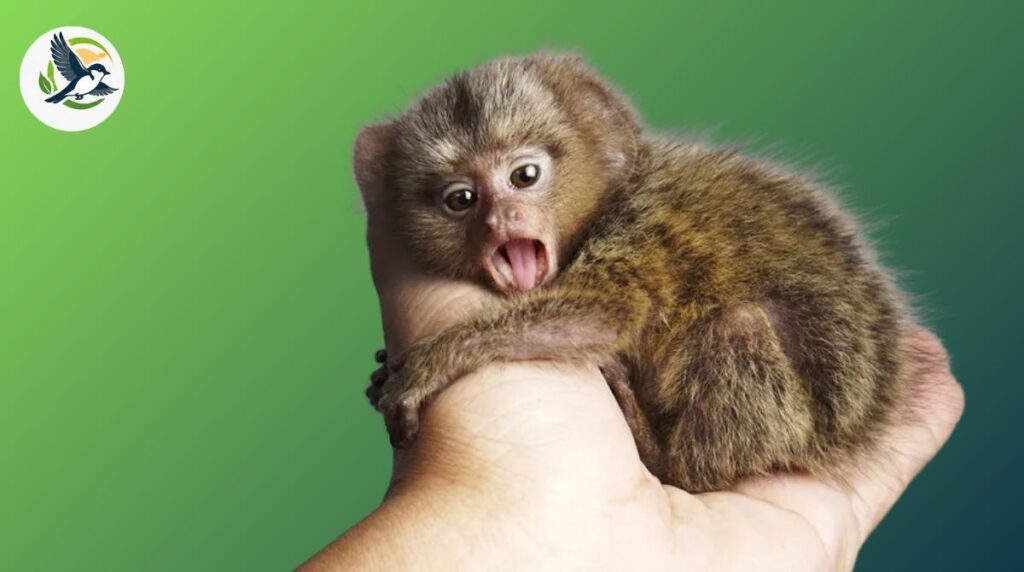
Pygmy Marmoset
Often called the “finger monkey,” this tiny primate, roughly the size of a human finger, demonstrates the remarkable adaptations of wildlife in the Amazon. Its social behavior and interactions add depth to our understanding of primate evolution.
Stout Infantfish
This near-microscopic fish thrives in Indonesian waters, showcasing the vast unexplored territories of our oceans. Measuring less than 8 mm, it reveals the potential for undiscovered species in marine biodiversity.
Speckled Padloper Tortoise
Hailing from South Africa, this tiny tortoise measures about 3 inches in length. Its size does not diminish its quirky personality, and it remains a favorite for conservationists aiming to preserve its unique habitat.
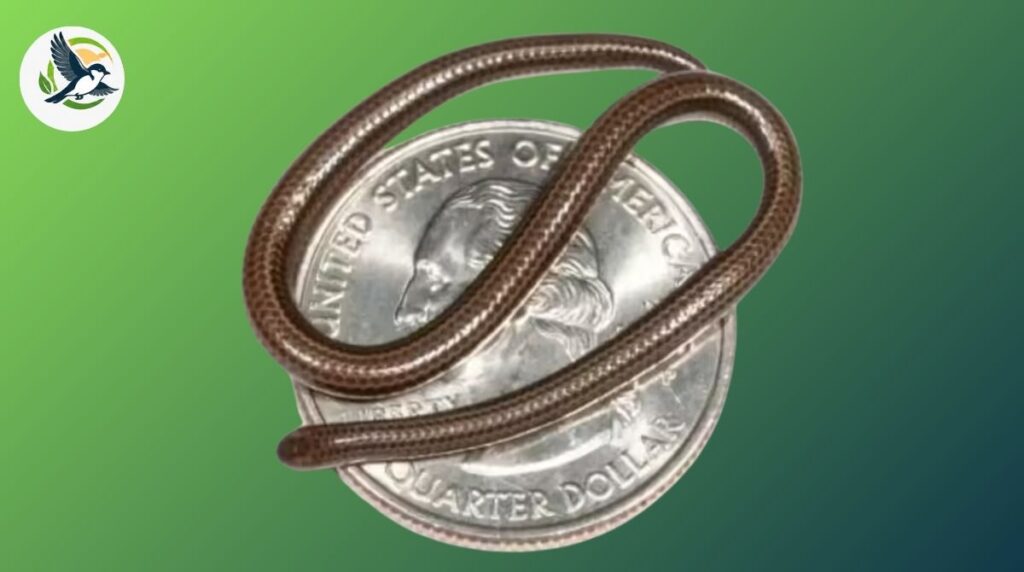
Barbados Threadsnake
At about 10 cm long, this snake is notable for its thin, thread-like body. Found in Barbados, it’s a reminder of the delicate balance of local ecosystems and the need for conservation efforts.
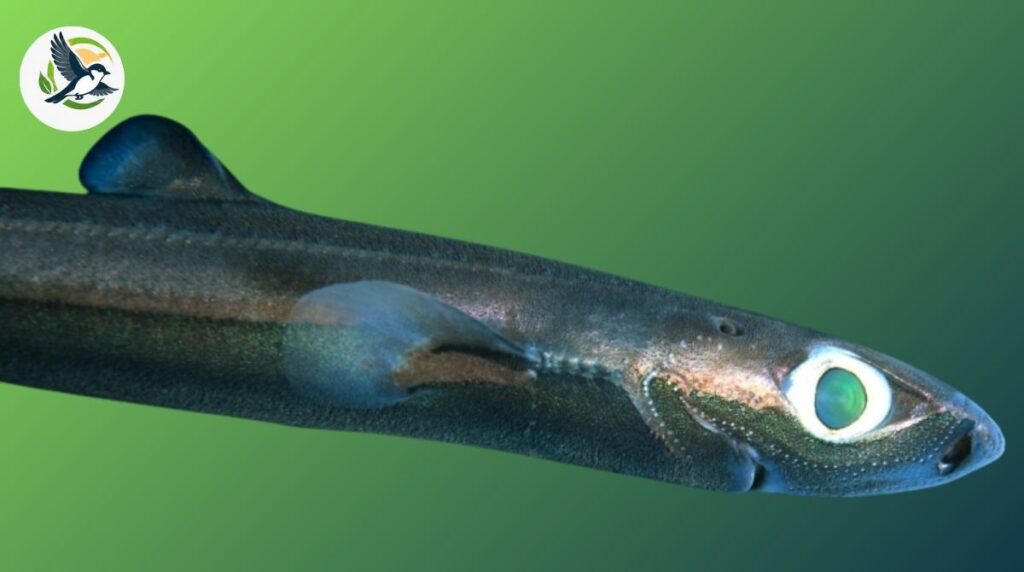
Dwarf Lantern Shark
This bioluminescent creature is the world’s smallest shark at around 8 inches. Its ability to emit light, almost like stars beneath the ocean, adds a layer of wonder to our understanding of life in the deep sea.
Myxozoan
Enigmatic parasites, some myxozoans are microscopic, showcasing the diverse life forms that exist in aquatic environments. Their unusual life cycles and roles highlight the intricate connections within ecosystems.
Pygmy Pipehorse
Related to seahorses, this tiny fish measures about 2 inches, with its body covered in algae and debris for camouflage. Its unique adaptations serve as a vital reminder of nature’s ingenuity in the quest for survival.
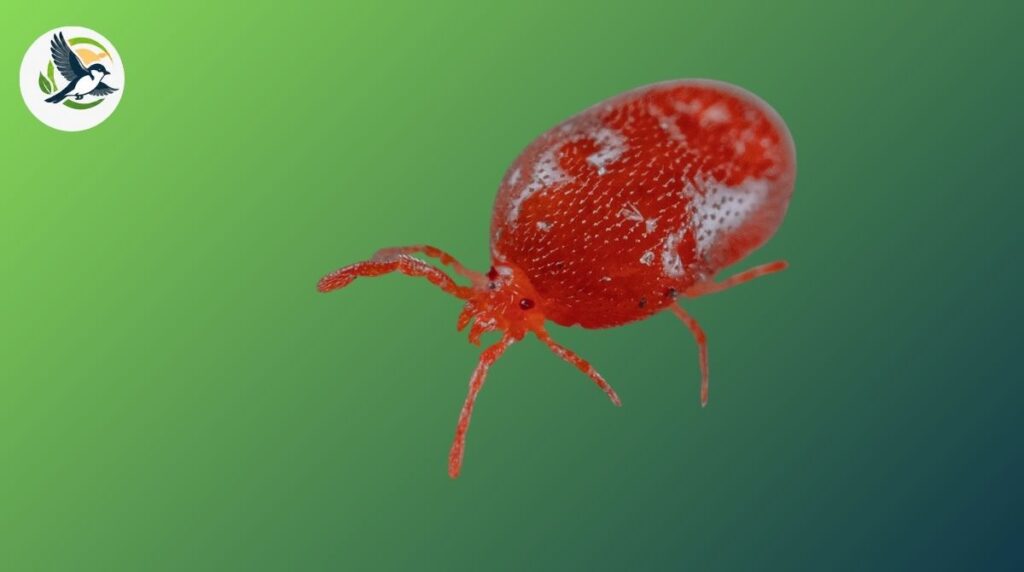
Minute Mites
These nearly invisible arachnids measure just 0.1 mm, their tiny bodies hosting a vast range of species. Often overlooked, they play crucial roles in soil health and the breakdown of organic matter, proving that even the smallest creatures can have significant impacts on their environments.
Smallest Animals in the World by Category
Even though the bumblebee bat is considered the smallest animal in the world, there are other honorable mentions in different categories of animals. Here are the smallest animals in the world by category:
Smallest Reptile in the World
Enter the world of the Brookesia nana, a chameleon native to Madagascar, measuring barely 13.5 millimeters from snout to tail. This remarkable creature challenges our perception of size and adaptability, camouflaging itself among the forest floor’s leaves. Its minuscule size allows it to evade predators effectively, yet highlights how habitat loss threatens its survival.
Smallest Bird in the World
The bee hummingbird, found in Cuba, is a marvel at just 2.2 inches long and weighing a mere 1.6 grams. These tiny avians display incredible agility, hovering mid-air to feed on nectar, and their iridescent feathers shimmer in vibrant hues. Their existence represents not just the wonders of evolution but also the fragility of ecosystems where they thrive.
Smallest Mammal in the World
Enter the bumblebee bat, or Kitti’s hog-nosed bat, reminiscent of a bumblebee at only 1.1 ounces. This fascinating creature, endemic to Thailand and Myanmar, plays a vital role in pest control and pollination. Its tiny size doesn’t hinder its ecological impact — rather, it exemplifies how even the smallest mammal can have a significant influence on its environment.
Smallest Fish in the World
The Paedocypris progenetica from Southeast Asia holds the title for the smallest fish, measuring around 7.9 millimeters. Living in peat swamps, this miniature fish adapts to extreme conditions where larger species cannot survive. Its diminutive form serves as a reminder of nature’s ingenuity and the need to preserve delicate aquatic ecosystems.
Amazing Facts About the Smallest Animals in the World
When exploring what the smallest animal in the world is, most people might think of tiny creatures like insects or micro-organisms; the title actually belongs to the Paedophryne amauensis, a diminutive frog found in Papua New Guinea. Measuring just 7.7 millimeters in length, this captivating amphibian challenges our perceptions of size and highlights the wonders of biodiversity.
Its minuscule body allows it to thrive in environments where bigger species might struggle, demonstrating nature’s clever adaptability.Equally fascinating is the bumblebee bat, or Kitti’s hog-nosed bat. Found in Thailand and Myanmar, it weighs about 2 grams, making it the world’s smallest mammal by weight.
How Scientists Determine the Smallest Animal in the World
Determining the smallest animal in the world is no simple feat; it involves meticulous scientific methodologies and a blend of fieldwork and laboratory analysis. Researchers often start by measuring individuals from various species to gather data on size ranges and physical characteristics. One of the most fascinating aspects of this quest is the debate between different categories of animals. For instance, while some claim the title for the smallest vertebrate belongs to the tiny Paedophryne amauensis, a frog from Papua New Guinea, others argue for the enigmatic bumblebee bat, weighing in at just a couple of grams.
To truly grasp the minuscule scale of these creatures, scientists utilize advanced imaging techniques and genetic analysis. These tools can offer insights into the evolutionary adaptations that allow these pint-sized beings to thrive in their unique environments.
Final Words
In exploring the fascinating smallest animal of the world and the top 15 tiny creatures ranked by size, we uncover just how remarkable nature can be. These minuscule beings deserve our admiration not only for their size but also for their unique adaptations and roles in their ecosystems.
From the incredibly small bumblebee bat to the pint-sized fairyfly, each creature showcases the diversity of life on our planet. The wonders of these tiny creatures remind us that even the smallest beings can have a big impact. So, take a moment to appreciate the tiny wonders around you and consider how you can help protect their habitats.
FAQs
What are the big 5 small animals?
1. Hamsters
2. Gerbils
3. Guinea Pigs
4. Rats
5. Mice
These small animals not only bring joy and companionship but also teach responsibility and care to their owners.
What is the smallest animal in the world?
The title of the smallest animal in the world often goes to the bacterium, specifically *Mycoplasma genitalium*. Here are a few other contenders:
1. Tardigrades
2. Paedophryne amauensis
3. Bee Hummingbird
What is the cutest smallest animal in the world?
When it comes to the cutest, smallest animals in the world, several contenders are often mentioned. Here’s a quick rundown:
1. Pygmy Marmoset
2. Bumblebee Bat
3. Hedgehog