Red Birds: 20 Stunning Red Bird Species, Names, and Identification Tips
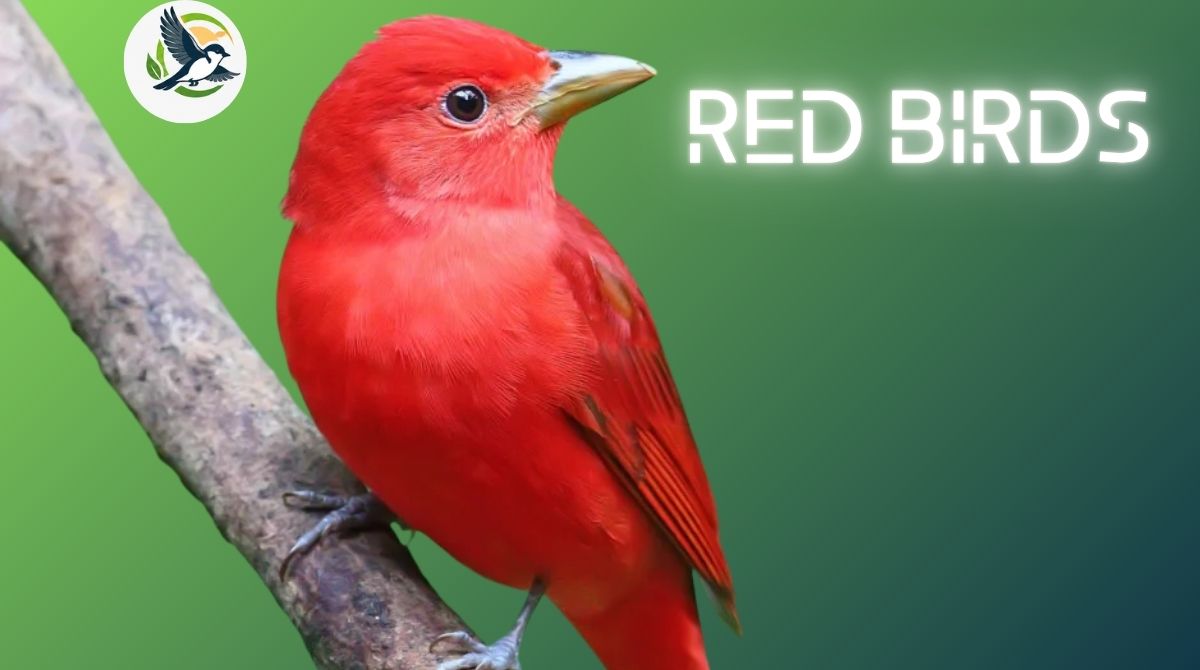
Red birds captivate birdwatchers with their vibrant hues and enchanting songs, making them some of the most beloved species in nature.
In this article, we’ll delve into 20 stunning red bird species, providing you with their names and essential identification tips. Whether you’re an experienced ornithologist or a casual nature enthusiast, understanding these striking creatures can enhance your outdoor adventures. Get ready to discover the remarkable diversity of red birds and learn how to spot them in your own backyard!
What Birds Are Red?
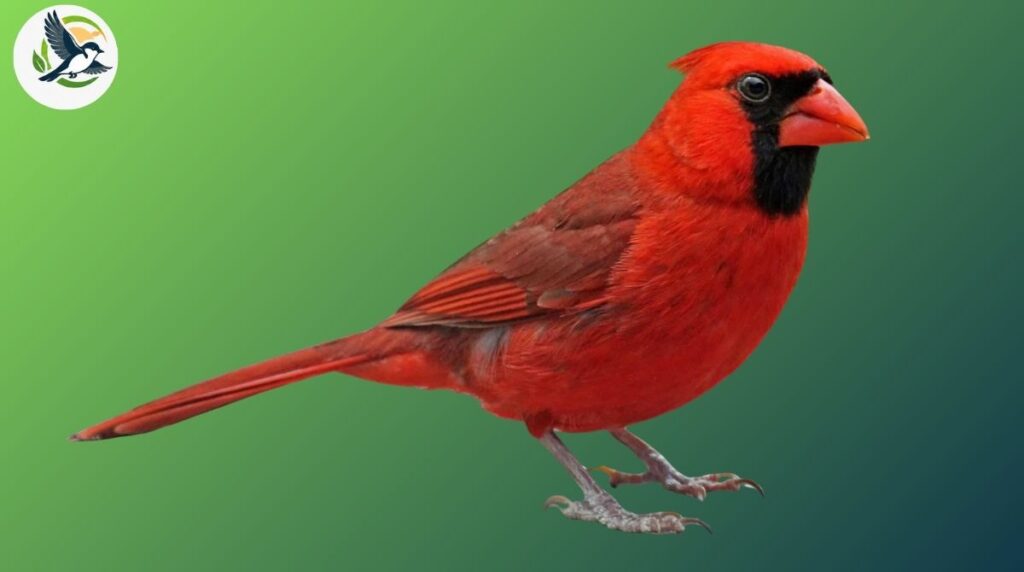
Among the captivating array of red birds, the Northern Cardinal stands out as a favorite for many birdwatchers. With its striking crimson plumage and melodious song, this resilient species thrives in varied habitats across North America. Not just a beautiful sight, the Northern Cardinal symbolizes joy and hope, often bringing a splash of color to the winter landscape.
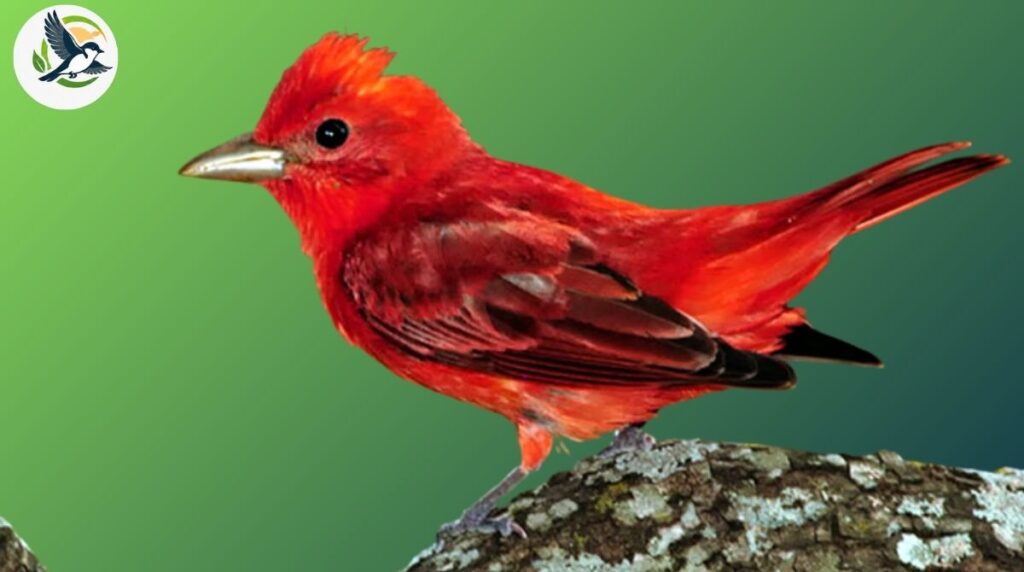
Another notable member of the red bird family is the Scarlet Tanager. With its vibrant red body and contrasting black wings, this bird is a true showstopper in deciduous forests. While they may be elusive during the breeding season, their rich, song-like calls resonate through the treetops, making them a delight for the ears as much as the eyes. Exploring the world of red birds reveals a dazzling palette of species, each with unique traits and behaviors that contribute to our natural tapestry.
20 Red Bird Species to Know
Below is the list of 20 Red Bird Species to Know
- Northern Cardinal
- Scarlet Tanager
- Summer Tanager
- House Finch
- Vermilion Flycatcher
- Pine Grosbeak
- Purple Finch
- Common Redpoll
- Red Crossbill
- White-winged Crossbill
- Painted Bunting
- Hepatic Tanager
- Roseate Spoonbill
- Red-headed Woodpecker
- Red-bellied Woodpecker
- Red-winged Blackbird
- Red-breasted Nuthatch
- Red-eyed Vireo
- Pine Siskin
- Cassin’s Finch
Northern Cardinal
Instantly recognizable with its vibrant red plumage, the Northern Cardinal symbolizes joy and vitality in many cultures. Their melodious songs fill backyards, making them a favorite among birdwatchers.
Scarlet Tanager
This stunning songbird, with its bright red body and black wings, often hides amongst the treetops, making spotting it a delightful challenge. The contrast between its vivid colors and green surroundings highlights nature’s artistry.
Summer Tanager
Unlike its tanager counterparts, the Summer Tanager is gentle yet striking, with a warm, almost peachy hue. They feast on insects, making them a valuable ally in controlling pests in gardens.
Also read more: Birds That Start With M: 10 Amazing Species Every Bird Lover Should Know
House Finch
Among the vibrant red bird species, the House Finch stands out for its adaptability. Originally from the western United States, this urban dweller has expanded its range across the continent, often seen in gardens and feeding on seeds. Its rich, melodic song is distinctly cheerful, bringing a splash of color and sound to suburban landscapes. Watching these lively birds at a feeder can be a daily delight, making them popular among birdwatchers.
Vermilion Flycatcher
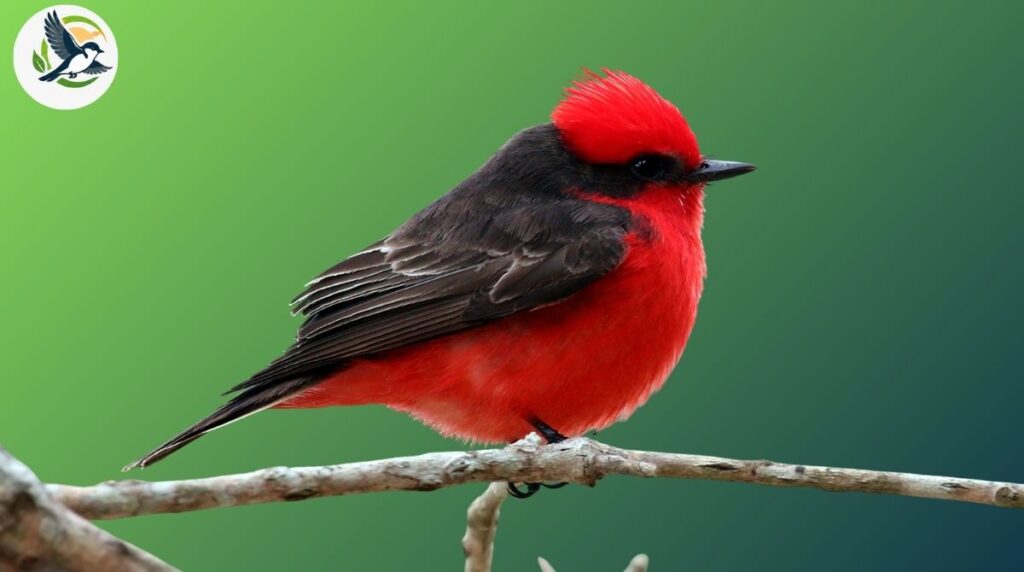
A true showstopper, the Vermilion Flycatcher flaunts its fiery plumage against a backdrop of green foliage. Its darting flights and bold colors can transform any dull day into a vibrant spectacle.
Pine Grosbeak
With its soft, rosy tones, the Pine Grosbeak appears velvety and mysterious, particularly in winter landscapes. These gentle giants prefer to feed on berries, bringing color to snowy days.
Purple Finch
Often mistaken for house finches, the Purple Finch sports a more pronounced red hue, giving it a regal appearance. Their sweet, melodious calls are a treat during quiet mornings.
Common Redpoll
Small but mighty, the Common Redpoll features a dapper red cap and is known for its acrobatic feeding. These birds often flock in charming groups, enchanting those lucky enough to witness their antics.
Red Crossbill
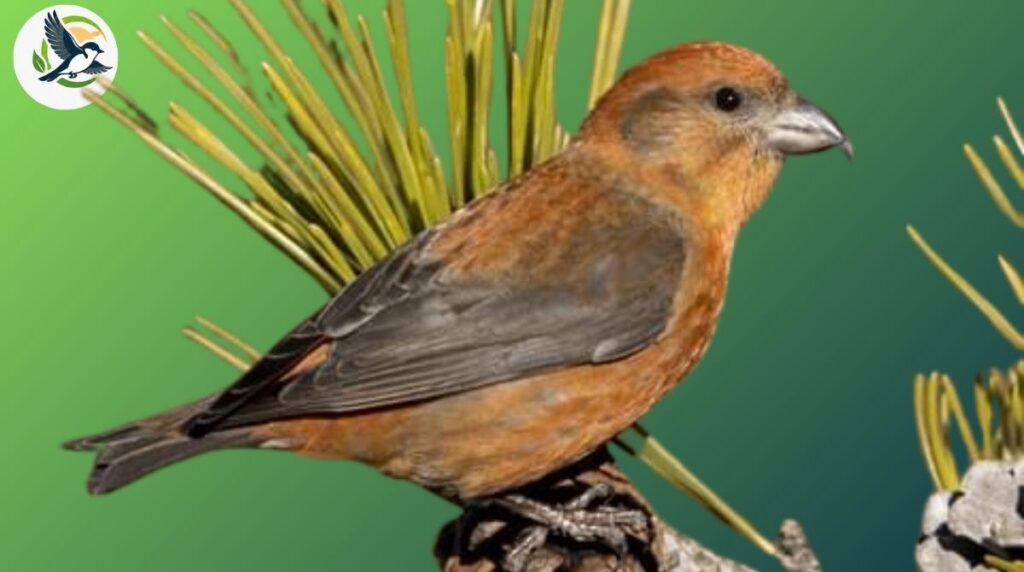
Among the fascinating red bird species, the Red Crossbill stands out for its unique beak shape, perfectly adapted for prying open conifer cones to access seeds. This adaptation not only defines its feeding habits but also impacts its evolution; crossbills can occupy diverse habitats, thriving in fluctuating environments where food sources may vary. Their peculiar calls, often described as a series of varied notes, add a melodious layer to forest ecosystems, signaling their presence to both mates and rivals.
White-winged Crossbill
With its striking red plumage and distinctive white wing bars, the White-winged Crossbill is a true gem of the northern forests. Known for its unique bill designed to pry seeds from conifer cones, this bird showcases adaptability, often migrating based on food availability.
Painted Bunting
Often dubbed the “most beautiful bird in North America,” the Painted Bunting dazzles with its rainbow of colors, ranging from vibrant blues to fiery reds. These small, migratory songbirds favor brushy habitats and are a favorite among birdwatchers, leaving enthusiasts eager for a glimpse as they transition between breeding and wintering grounds.
Hepatic Tanager
The Hepatic Tanager brings a rich, russet hue to wooded areas across the southern United States and into Central America. Its melodious song can be heard throughout its territory. Intriguingly, this bird’s diet is diverse, ranging from fruits to insects, showcasing its role in ecosystem health as both pollinator and predator.
Roseate Spoonbill
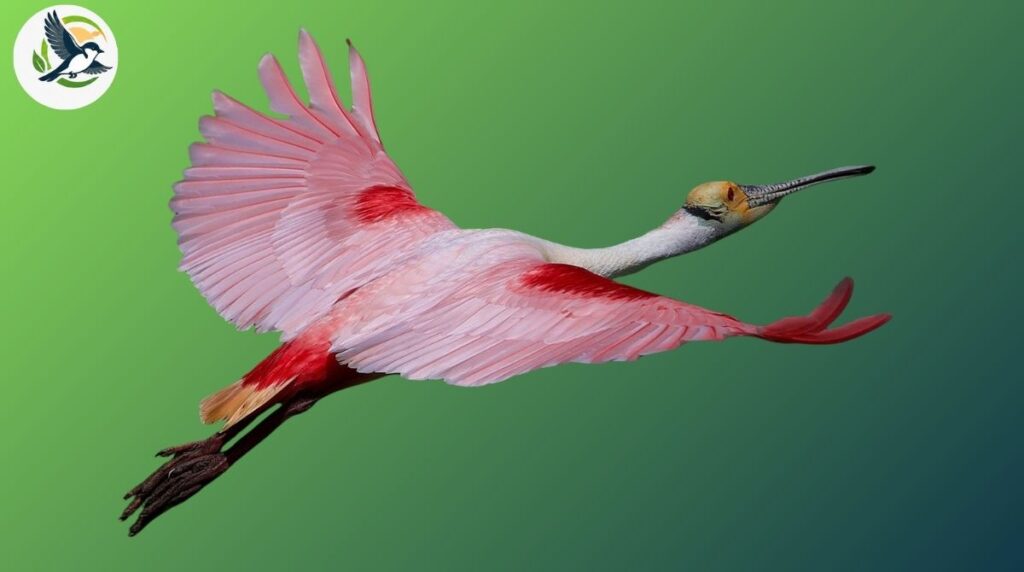
The Roseate Spoonbill, with its iconic pink feathers and spatula-like bill, captivates not just with color but behavior too. These waders are often seen foraging in shallow waters, using their unique bill to sift through mud for crustaceans and small fish. Their social nature allows them to gather in large flocks, creating spectacular sights during sunset as they take to the skies.
Red-headed Woodpecker
Among the striking red bird species, the Red-headed Woodpecker stands out with its vibrant crimson crown and stark white body. Known for its acrobatic feeding habits, this bird often forages on tree trunks, exhibiting an impressive ability to catch insects mid-air. Observers note its unique call, a sharp, resonant “peek,” which echoes through woodlands, making it relatively easier to spot in its natural habitat.
Red-bellied Woodpecker
On the other hand, the Red-bellied Woodpecker may not flaunt an entirely red head, but its subtle beauty is shown through a slight blush on its belly and a striking black-and-white patterned back. This species is particularly fascinating for its role in forest ecosystems, as it excavates cavities that other birds later utilize. Both woodpeckers remind us that the beauty of nature lies not only in vibrant colors but also in the dynamic relationships these species cultivate within their environments
Red-winged Blackbird
Known for their iconic black bodies and vibrant red and yellow shoulder patches, Red-winged Blackbirds are frequently spotted in wetlands. Their crisp calls and assertive behavior make them a symbol of the marshy ecosystems they inhabit.
Red-breasted Nuthatch
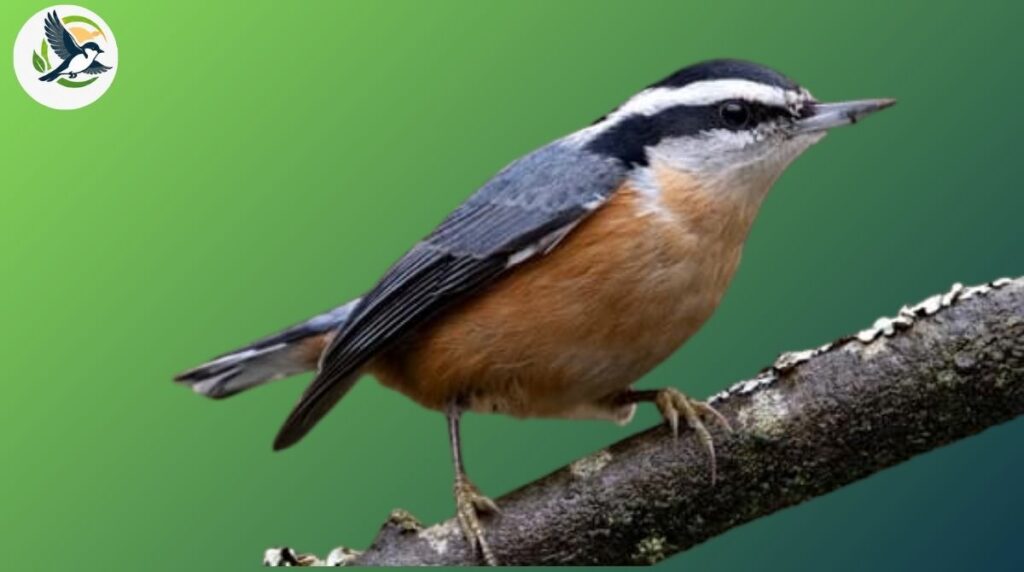
This tiny acrobat of the coniferous forests is known for its distinctive “yank-yank” call. Its striking blue-gray plumage and rusty underparts provide a stunning contrast against the backdrop of evergreen trees, making it a delight to spot while hiking.
Red-eyed Vireo
Often heard before seen, this songbird’s persistent and melodic whistling fills the air during summer months. Its olive-green back and bright white underbelly, coupled with that signature red eye, make it a unique sight along wooded trails and in gardens alike.
Pine Siskin
A small, lively finch, the Pine Siskin flits about in search of seeds, often found in flocks. Its streaky brown plumage adorned with yellow wing bars offers a charming sight, especially during winter gatherings when they descend in large numbers to feed.
Cassin’s Finch
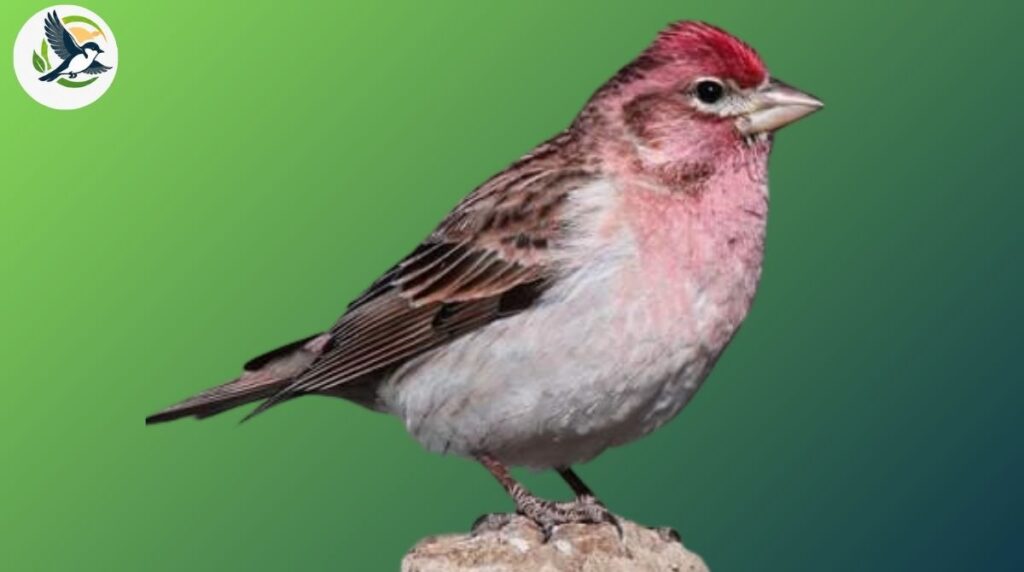
With a robust body and striking red crown, Cassin’s Finch adds a splash of color to high-altitude pine forests. Known for its sweet, melodious song, it often draws birdwatchers hoping to catch a glimpse of its vibrant plumage perched among the branches.
Types of Red Birds From Small Red Birds to Bright Species
When exploring the world of red birds, one can’t help but marvel at the dazzling types of red birds that grace our skies. From the petite small red birds like the House Finch to the brilliant hues of the Rose-breasted Grosbeak, each species carries its unique charm. While many might think of the iconic Cardinal, numerous red bird species deserve attention; the Scarlet Tanager is another stunning example. For bird enthusiasts, learning about the varied red bird names can deepen your appreciation of nature’s palette.
Red Bird Identification Tips to Tell Red Birds Apart
When trying to identify red bird species, it’s important to observe not just their color but also their size and habitat. For instance, the small red bird known as the House Finch is often mistaken for the larger Northern Cardinal. However, the House Finch has a more spotted appearance, and its calls are quite distinct. In contrast, the Northern Cardinal flaunts a vibrant, solid red that makes it a standout among red birds in NY.
When considering red birds in Maine, keep an eye out for the Common Redpoll, a petite bird with a unique red cap. It often visits feeders in winter, bringing a splash of color to otherwise drab landscapes. Red birds in California might lead you to the striking Vermilion Flycatcher, which thrives in open areas, making its vivid red plumage pop against the green backdrop of parks.
Red Birds in New York, Maine, and California
In the vibrant landscapes of New York, various red bird species add splashes of color to the scenery. The dazzling *Scarlet Tanager* can often be spotted during migration, transforming urban parks into vibrant havens for birdwatchers. Meanwhile, the Northern Cardinal, a familiar sight in backyards, boasts a cheerful song that captivates both seasoned ornithologists and casual observers alike. These birds that are red not only brighten our days but also play crucial roles in their ecosystems, pollinating flowers and dispersing seeds.
On the West Coast in *California*, the *House Finch* showcases its stunning crimson plumage, often seen perching on urban fences or foraging among flowers. These adaptable red birds in California thrive in diverse environments, illustrating the profound interplay between humanity and nature. Not only do these birds that are red inspire admiration through their beauty, but they also prompt discussions about conservation and the importance of preserving their habitats amidst our bustling cities. What birds are red in your area? Exploring local nature can reveal surprising connections to these lively feathered friends.
Final Words
The world of red birds is as vibrant and diverse as the environments they inhabit. From the striking Cardinal to the elusive Scarlet Tanager, these species not only captivate birdwatchers but also play essential roles in their ecosystems. Understanding their unique identification tips can enhance your birding experience, allowing you to appreciate the beauty of these feathered wonders.
Next time you’re outdoors, keep an eye out for these stunning creatures and take note of their brilliant red plumage. So grab your binoculars and immerse yourself in the colorful world of red birds!
FAQs
What does the Red Bird Mean Spiritually?
In many cultures, red birds, particularly cardinals, symbolize love, hope, and renewal. Their vibrant color often represents passion and energy, making them a powerful spiritual emblem. When you see a red bird, it can signal a message from the spirit world, reminding you of loved ones’ presence or encouraging you to embrace your inner strength.
What are the Red Birds Called?
The “Red Birds” often refer to several species with striking red plumage, but the most common are the Northern Cardinal and the Scarlet Tanager. The Northern Cardinal is easily recognized by its bright red color and distinctive crest. Males are particularly vibrant, making them a favorite among bird watchers.
Why are Red Birds so Special?
Red birds, often associated with vibrant colors and striking looks, stand out in the avian world. Their bright plumage, seen in species like cardinals and scarlet tanagers, not only catches the eye but also helps them mate and establish territory. This lively hue symbolizes energy and life, making their presence a joyful sight in nature.