Animals That Eat a Lot: 10 Hungry Animals and Their Huge Appetites
Did you know that some animals can consume up to 10% of their body weight in a single day? In the world of Animals That Eat a Lot, the sheer appetite of certain species is nothing short of astonishing.
Understanding these hungry creatures not only reveals fascinating insights into their behaviors but also sheds light on their ecological roles. In this article, we’ll explore 10 hungry animals with huge appetites, and you’ll discover what fuels their enormous consumption.
Which Animals Eat the Most?
When exploring animals that eat a lot, one can’t help but marvel at the sheer volume some species consume daily. For instance, the blue whale holds the record, gulping down an astonishing 4 tons of krill every day during feeding season. This gigantic mammal, with its massive size and filtering baleen plates, demonstrates how it thrives on a high-volume diet, ultimately relying on the abundance of tiny creatures in the ocean.
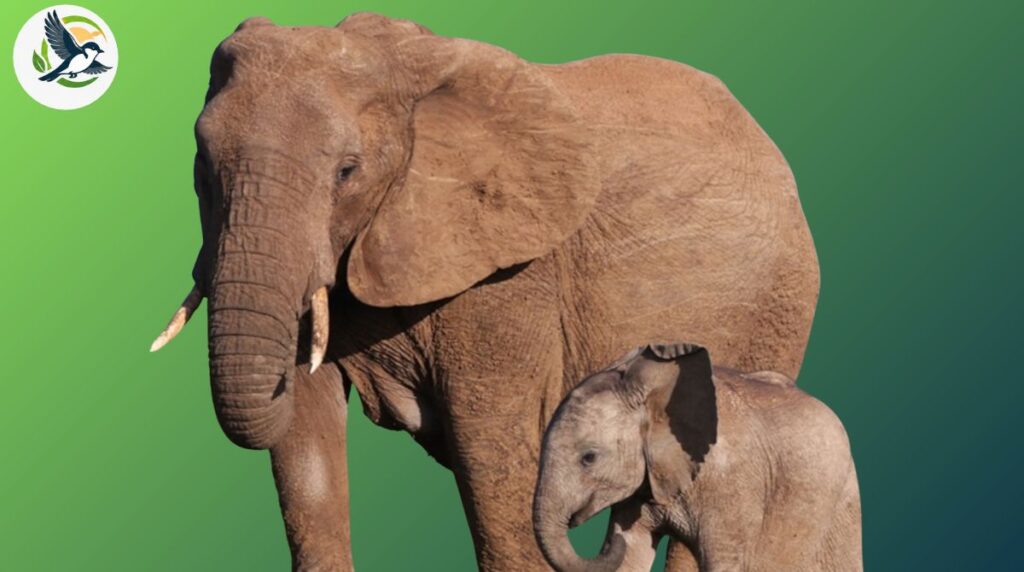
On land, the African elephant is another heavyweight champion in the eating game, devouring up to 300 pounds of vegetation daily. These gentle giants roam vast territories, using their incredible sense of smell to locate food sources.
10 Animals That Eat a Lot and Their Names
Below is the list of animals that eat a lot.
- Blue Whale
- African Elephant
- Hippopotamus
- Giraffe
- Rhinoceros
- Manatee
- Giant Panda
- Moose
- Koala
- Caterpillar
Blue Whale
Weighing in as the largest animal on Earth, a blue whale consumes over 4 tons of krill each day during feeding season. Its massive mouth and intricate filtering systems are nature’s marvels, showcasing an adaptation that helps it thrive in the ocean’s depths.
African Elephant
A towering titan of the savannah, the African elephant can munch through 300 pounds of vegetation daily. Their selective feeding habits help shape their habitats, demonstrating their crucial role in maintaining ecosystem balance.
Hippopotamus
Surprisingly, these semi-aquatic beasts graze approximately 80 pounds of grass each night. Their voracious appetites are balanced by their lifestyle, spent mostly in water to keep cool while foraging in the moonlight.
Giraffe
With their towering necks, giraffes consume about 75 pounds of leaves, primarily from acacia trees. Their feeding strategy, reaching heights others can’t, not only sustains them but also aids in tree growth by preventing over-browsing.
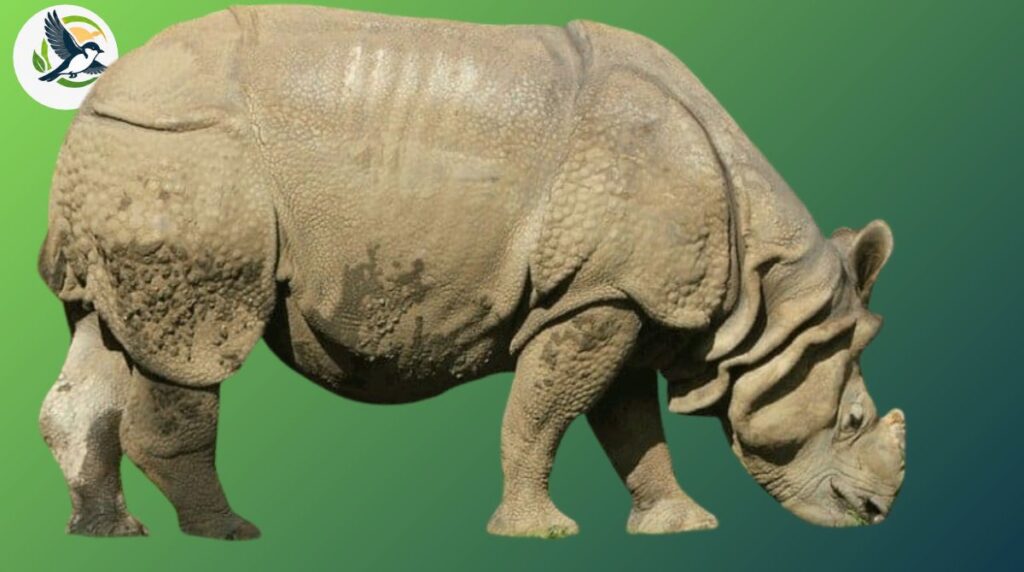
Rhinoceros
These robust herbivores need around 120 pounds of plant material daily. Their unique teeth and grazing behaviors allow them to thrive in various habitats, helping maintain grassland ecosystems.
Manatee
Often dubbed “sea cows,” manatees feast on over 100 pounds of aquatic plants daily. This gentle giant plays a critical role in maintaining the health of seagrass beds, ensuring a balanced aquatic ecosystem.
Giant Panda
Despite being classified as carnivores, giant pandas primarily consume bamboo, averaging around 26 to 84 pounds daily. Their specialized digestive systems allow them to extract necessary nutrients from this tough plant material.
Also read more: Animals That Drink a Lot of Water: 10 Thirsty Creatures
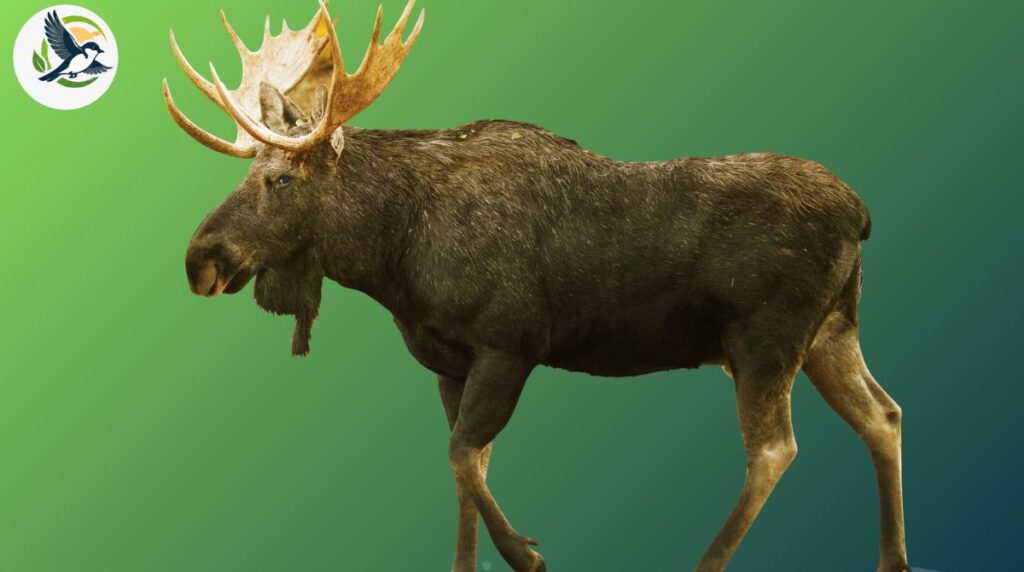
Moose
These majestic animals can consume 70 pounds of tender leaves and aquatic plants in a single day. Their browsing habits greatly influence forest dynamics, making them key players in their boreal habitats.
Koala
Koalas are animals that eat a lot and primarily eat eucalyptus leaves, requiring about 2 to 3 pounds daily. Despite being low-energy eaters, their diet helps maintain the health of their forest environments, showcasing the interconnectedness of species.
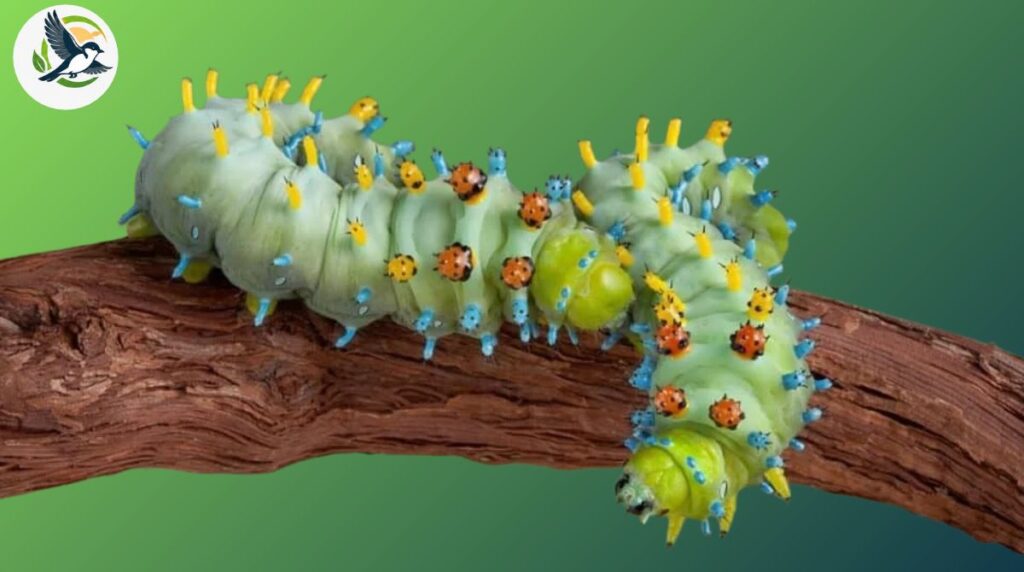
Caterpillar
Surprisingly voracious, some caterpillar species are animals that eat a lot as much as twenty times their body weight in just a few weeks. Their rapid growth and insatiable appetite prepare them for their striking transformations into butterflies, underscoring the importance of their role in biodiversity.
Diet of Animals That Eat a Lot
When we think of the hungriest animals, a few impressive contenders come to mind. Take the blue whale, for example. This marine giant consumes around 4 tons of krill every day during feeding season. Its immense size and nutritional needs highlight how the food chain supports such colossal beings.
Animals that eat a lot: the leafcutter ant is another fascinating example, harvesting up to 50 tons of leaves in a single colony. Their unique diet is crucial for cultivating fungi, turning them into miniature agriculturalists of the animal kingdom.
Then there’s the most-eaten animal in the world, the chicken, which shows how human appetite shapes animal diets. Chickens are raised en masse, consuming vast quantities of grains and feed to sustain global demand.
Daily Food Intake of Hungry Animals
In the wild, animals that eat a lot hungriest animals are often those that face tough competition for resources. For instance, the blue whale, the largest mammal on Earth, consumes up to 4 tons of krill each day during feeding season. This staggering amount highlights not only the whale’s immense size but also its need to sustain its energy for migration and breeding.
One might wonder: what animal eats the most? Some species have evolved unique feeding behaviors, such as the hummingbird, which can consume more than twice its body weight in nectar daily, constantly on the hunt to fuel its high metabolism. Exploring this topic leads us to the most eaten animal in the world, the chicken. With billions consumed annually, chickens thrive on a diet that includes grains, insects, and even small animals.
Why Some Animals Eat So Much
The hungriest animals on the planet often have fascinating adaptations that drive their insatiable appetites. Take the blue whale, for instance, the largest creature on Earth, which consumes approximately 4 tons of krill a day during feeding season. Its immense size requires a staggering intake of food to provide the necessary energy, highlighting how body size can dictate eating habits. Meanwhile, the Japanese giant salamander employs a different strategy; it can live for decades, often going long periods without eating. This ability allows it to efficiently use food resources when they are available, but when it is hungry, it can eat up to one-third of its body weight in a single meal.
On a broader scale, thinking about what animal eats the most can also lead to intriguing discussions about ecosystems. For example, the most eaten animal in the world, the chicken, has become synonymous with global food chains and agricultural practices. Chickens have been bred for rapid growth and high feed conversion rates, making them particularly efficient at turning feed into meat.
Final Words
The animal kingdom is filled with fascinating creatures that boast Animals That Eat a Lot. From the enormous blue whale to the ravenous hippo, these animals play unique roles in their ecosystems, driven by their insatiable hunger.
Understanding their dietary needs not only highlights the beauty of nature but also emphasizes the importance of conservation efforts. As we explore the world of these hungry animals, it’s crucial to appreciate the delicate balance that sustains their habitats. So, the next time you marvel at the wonders of wildlife, remember the significance of their appetites and advocate for their protection.
FAQs
What Animal Eats Most Often?
The animal that eats most often is the hummingbird. These tiny birds have incredibly fast metabolisms, requiring them to consume large amounts of food. On average, a hummingbird can visit hundreds of flowers in a single day, sipping nectar every 10 to 15 minutes.
What Animal is Eaten the Most?
The animal most commonly eaten worldwide is the chicken. Its popularity stems from its versatility and relatively low cost, making it a staple in many diets. Chickens are raised in large numbers globally, providing a consistent source of protein for billions of people.
What are the Top 10 Gluttonous Animals?
When it comes to gluttony in the animal kingdom, some species really stand out for their insatiable appetites. Here are a few notable contenders: Blue Whale, Hippopotamus, Elephant, Giant Panda, Gorilla, Brown Bear, Koala, Moose, Rhinoceros, Caterpillar