Largest Bird in the World: Discover the Biggest Birds on Earth
The largest bird in the world may astonish you with its impressive size and unique characteristics. Birds have long fascinated us, but few compare to these colossal creatures that roam our planet.
Understanding the largest birds provides insight into their habitats, behaviors, and the challenges they face in today’s world. In this article, you’ll discover not only the titans of avian life but also the vital roles they play in our ecosystem.
What Is the Largest Bird in the World?
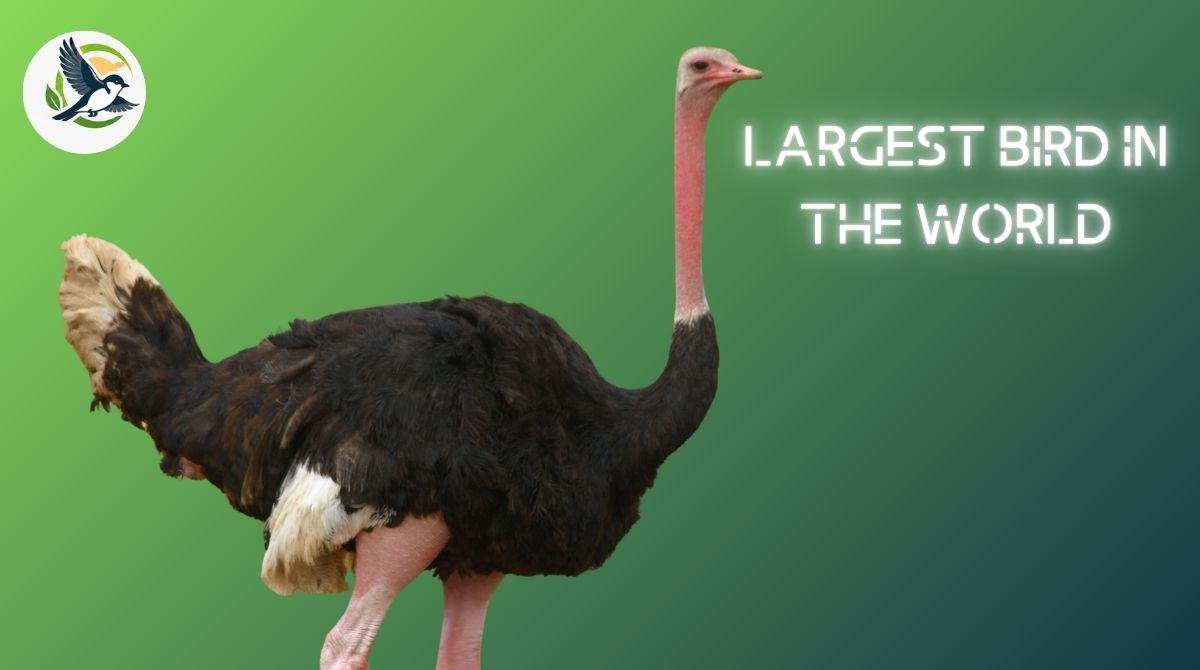
The largest bird in the world, the ostrich, captivates not just with its size but also with its unique behaviors and adaptations. Standing up to 9 feet tall and weighing 320 pounds, these flightless giants have evolved to thrive in the African savannas. Unlike many birds that take to the skies, the ostrich uses its powerful legs for running, reaching speeds of up to 45 miles per hour. This ability not only makes it one of the fastest birds but also a formidable deterrent.
Ostriches possess an impressive range of vision; their large, intelligent eyes are adapted to spot potential threats from a distance. With a diet primarily consisting of plants, seeds, and insects, these birds play a crucial role in their ecosystem by facilitating seed dispersal.
Top 10 Largest Birds in the World
- Ostrich
- Somali Ostrich
- Emu
- Southern Cassowary
- Northern Cassowary
- Dwarf Cassowary
- Greater Rhea
- Lesser Rhea
- Emperor Penguin
- Kori Bustard
Ostrich
The undisputed heavyweight of the avian world, the ostrich can reach a staggering height of up to 9 feet and weigh 350 pounds. Native to Africa, this flightless bird compensates with incredible speed, capable of sprinting up to 45 miles per hour. Its large, expressive eyes and long legs make it an iconic symbol of the savannah.
Somali Ostrich
A lesser-known cousin of the common ostrich, the Somali ostrich boasts unique plumage and a distinctively colorful neck. This adaptation helps it stay cool in the arid regions of East Africa. Unlike its relatives, it remains a bit smaller but showcases remarkable resilience harsh climates.
Emu
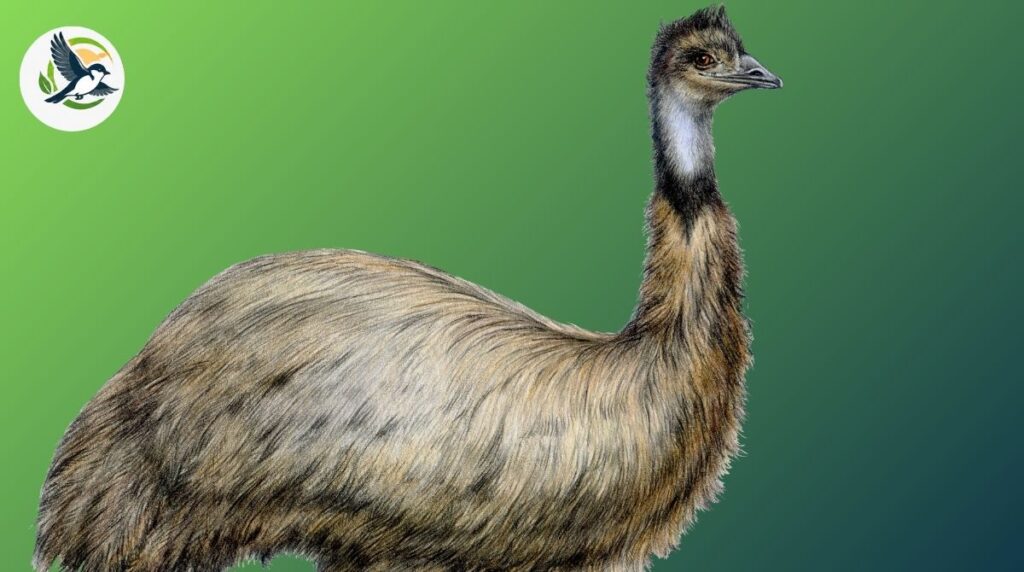
Australia’s beloved emu offers a unique take on size and agility. Standing up to 6.5 feet tall, this bird is known for its curious nature and distinctive three-toed feet. It plays a crucial role in Australian ecosystems, dispersing seeds through its diet, maintain local flora.
Southern Cassowary
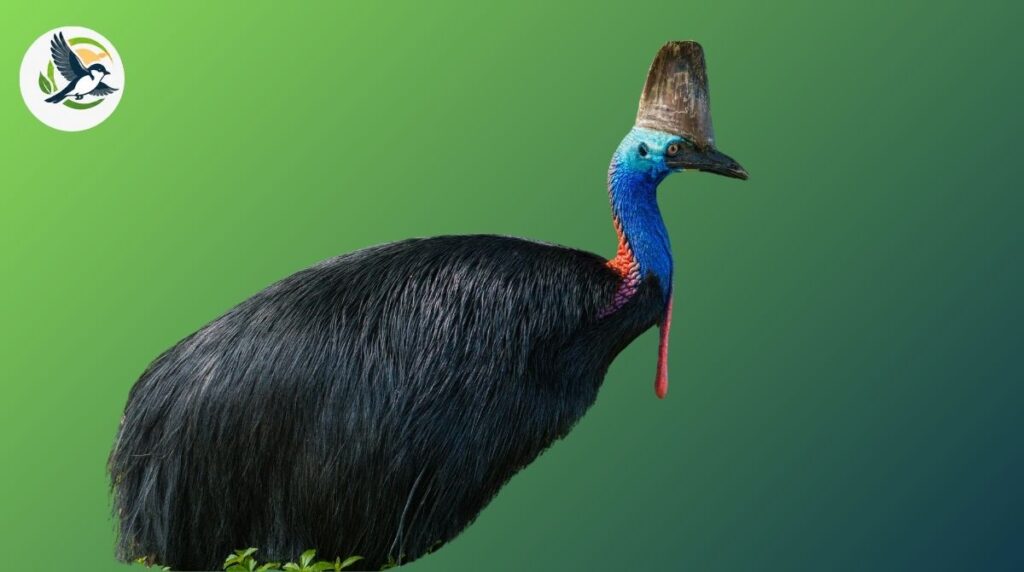
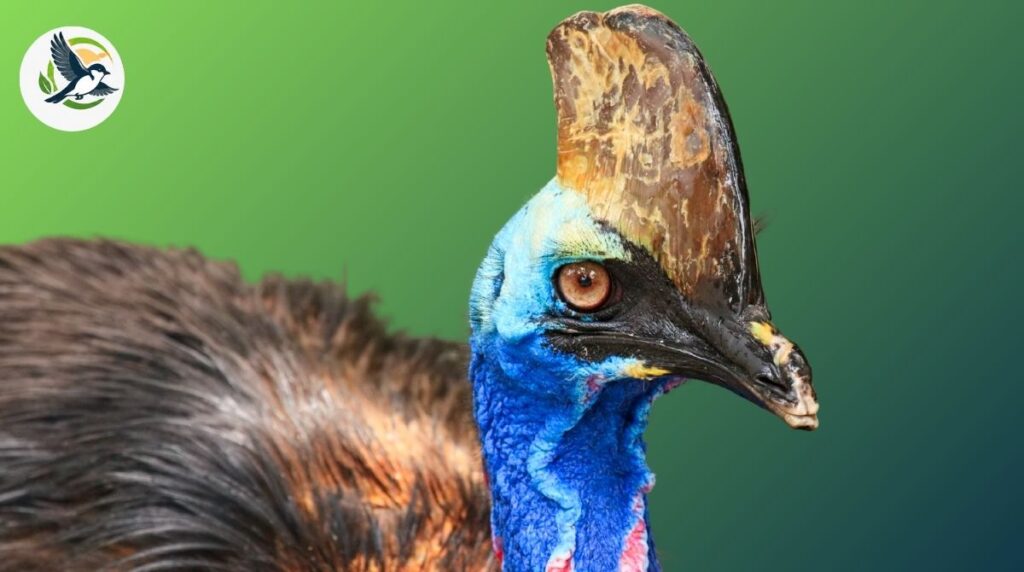
Often dubbed the “most dangerous bird” in the world, the Southern cassowary wields powerful legs armed with sharp claws. Standing up to 6 feet tall, it’s also a vital seed disperser in its rainforest habitat. Its vibrant blue and black plumage, coupled with a striking casque, makes it one of the most visually fascinating birds.
Northern Cassowary
Interestingly, the Northern cassowary is more elusive than its southern counterpart, often found in the dense jungles of New Guinea. Slightly smaller but equally impressive, it shares many traits, including its striking coloration and flightless existence in pursuit of a fruit-rich diet.
Read more: Birds That Start With M: 10 Amazing Species Every Bird Lover Should Know
Dwarf Cassowary
The smallest of the cassowary family, this diminutive bird may not scream “giant,” but it plays an essential role in the ecosystem. Often overshadowed, it showcases adaptability to varied habitats while still captivating birdwatchers with its unique characteristics and quirks.
Greater Rhea
South America’s greater rhea is the continent’s largest bird, resembling a smaller ostrich. These social creatures travel in groups, and their soft, fluffy feathers make them well-adapted to the wild grasslands they call home.
Lesser Rhea
The lesser rhea, while smaller, shares many traits with its larger cousin. Its ability to thrive in both temperate and arid environments showcases its resilience. Its curious behaviors and soft calls add a charming aspect to the open plains of Argentina and Brazil.
Emperor Penguin
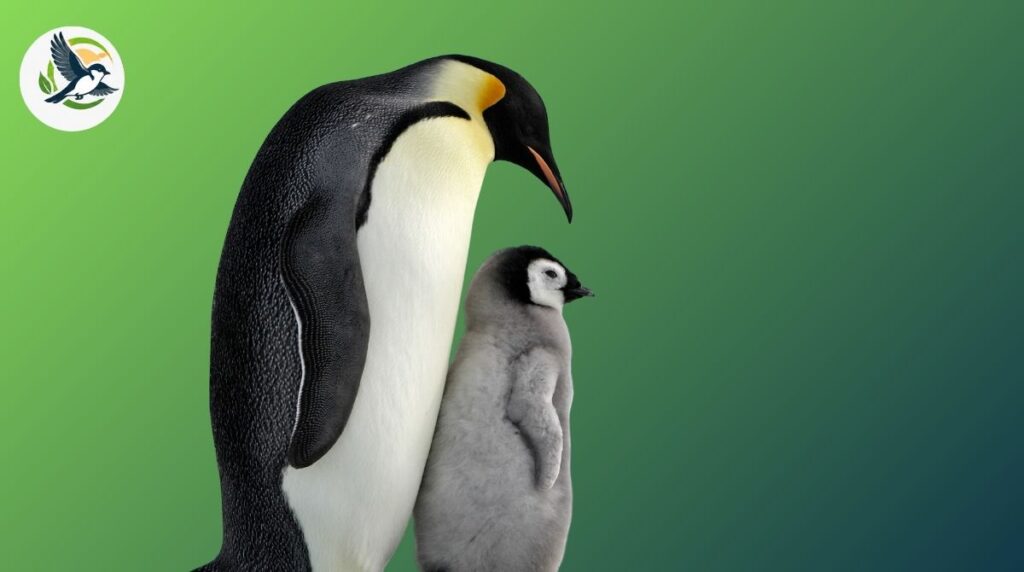
Among birds, the emperor penguin stands tall — not just for its height of up to 4 feet but also for its incredible endurance. Known for its remarkable parenting skills, the male incubates the egg during the harsh Antarctic winter, showcasing a unique blend of size and nurturing.
Kori Bustard
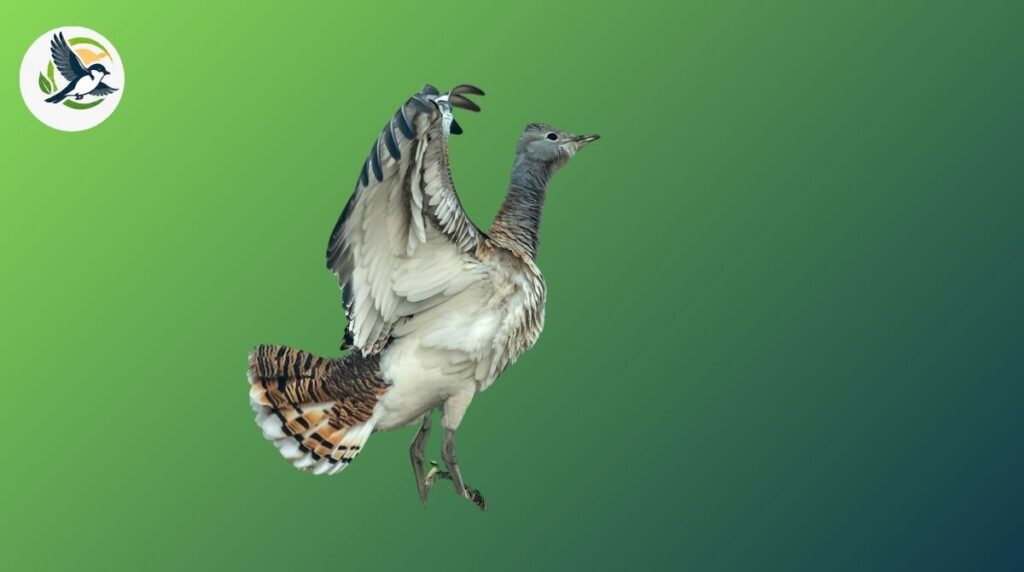
As the heaviest flying bird, the kori bustard can weigh up to 40 pounds. It’s often seen strutting majestically through the African savannah, where it uses a clever mix of camouflage and calls to attract mates, enhancing its role in the ecosystem while remaining a lesser-known giant.
How Are the Largest Birds in the World Measured?
The largest flying bird in the world, the wandering albatross, captivates bird enthusiasts not only for its sheer size but also for its impressive wingspan. Measuring up to 12 feet from tip to tip, these colossal birds are often weighed and measured on platforms designed for their unique dimensions.
Beyond physical measurements, scientists delve into behavioral data to study how these birds soar effortlessly across vast distances. By utilizing tracking technology, researchers uncover insights into their flight dynamics, understanding how wind patterns and thermals contribute to their expansive journeys.
Why Can’t Some of the Largest Birds Fly?
The inability to fly for some of the largest birds can be attributed to a fascinating interplay of evolution and adaptation. Take the ostrich, for instance, the largest flying bird in the world. This remarkable creature has evolved over millennia to thrive in open grasslands, where speed and agility on the ground have proven essential for survival. With their long legs and powerful thighs, ostriches can sprint at incredible speeds, making them formidable when evading predators.
Another compelling case is the emu, which has shed the need for flight in favor of a robust, flightless lifestyle. These birds have massive body sizes that, coupled with their dense bones, make flight practically impossible yet advantageous in their habitats.
Amazing Facts About the World’s Largest Birds
The largest bird in the world, the ostrich, can reach impressive heights of up to nine feet and weigh as much as 300 pounds. This flightless giant is not only known for its size but also for its incredible speed; ostriches can run up to 45 miles per hour, making them the fastest-running birds. Despite their bulk, these birds are surprisingly agile, able to make sharp turns to evade predators.
In addition to their impressive physical attributes, ostriches have unique adaptations. Their large eyes can spot danger from miles away, giving them a crucial edge in the wild. Interestingly, ostriches have a peculiar mating ritual, the male displays intricate dances to woo females, showcasing their vibrant feathers and impressive stature.
Final Words
In conclusion, exploring the largest bird in the world offers a fascinating glimpse into the wonders of nature. These magnificent creatures, from the towering ostriches to the grand emus, showcase the incredible diversity of avian life on Earth. Their size not only captivates our imagination but also highlights the unique adaptations that have allowed them to thrive in various environments.
While many of them primarily inhabit specific geographical regions, understanding their habits and habitats can deepen our appreciation for wildlife. So, let’s continue to learn about these remarkable birds and ensure their legacy endures for future generations.
FAQs
Who is the biggest bird on Earth?
The biggest bird on Earth is the ostrich. Native to Africa, these flightless birds can reach heights of up to 9 feet and weigh 350 pounds.
Which is the 2nd largest flying bird in the world?
The second-largest flying bird in the world is the Andean condor. With a wingspan that can reach up to 10.5 feet (around 3.2 meters), it’s truly impressive.
What are the top 5 biggest birds?
Ostrich
Emu
Cassowary
Greater Rhea
Andean Condor