Do Penguins Have Teeth: The Truth About Penguin Anatomy
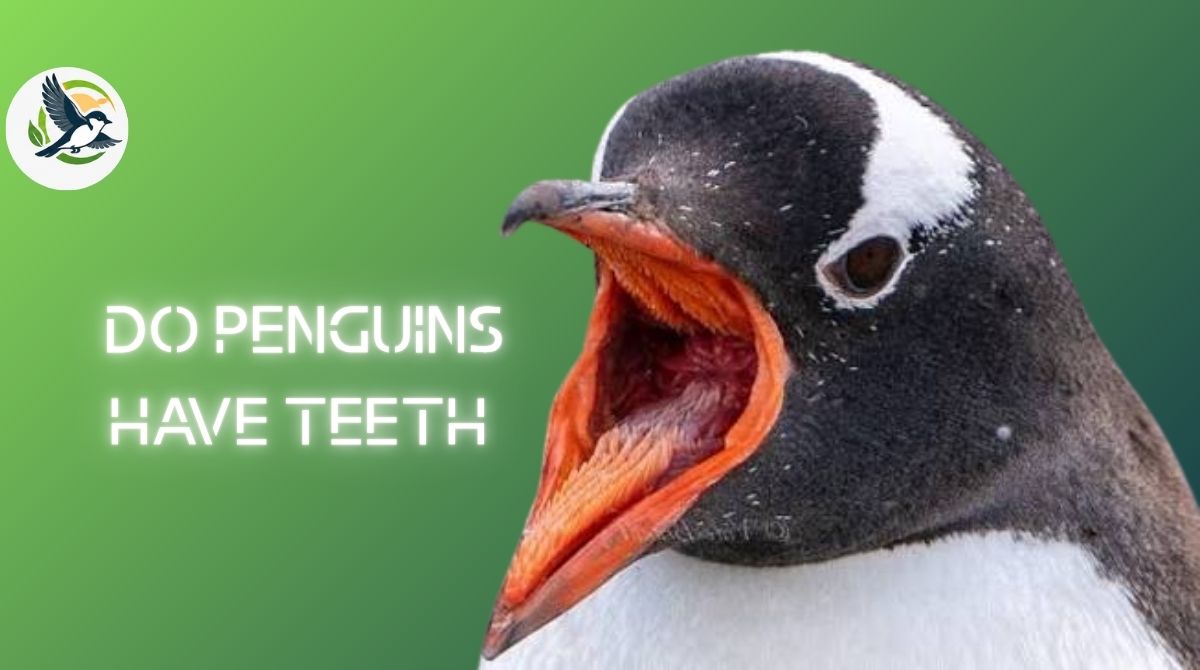
You might be surprised to learn that penguins have a unique way of catching their prey, not with teeth, but with something much more fascinating! In this article, we’ll explore the anatomical features of these charming birds, specifically addressing the question: Do Penguins Have Teeth?
Understanding penguin anatomy can deepen your appreciation for these remarkable creatures and their evolutionary adaptations. Get ready to uncover the truth and satisfy your curiosity about why these flightless birds are so special!
Do Penguins Have Teeth?
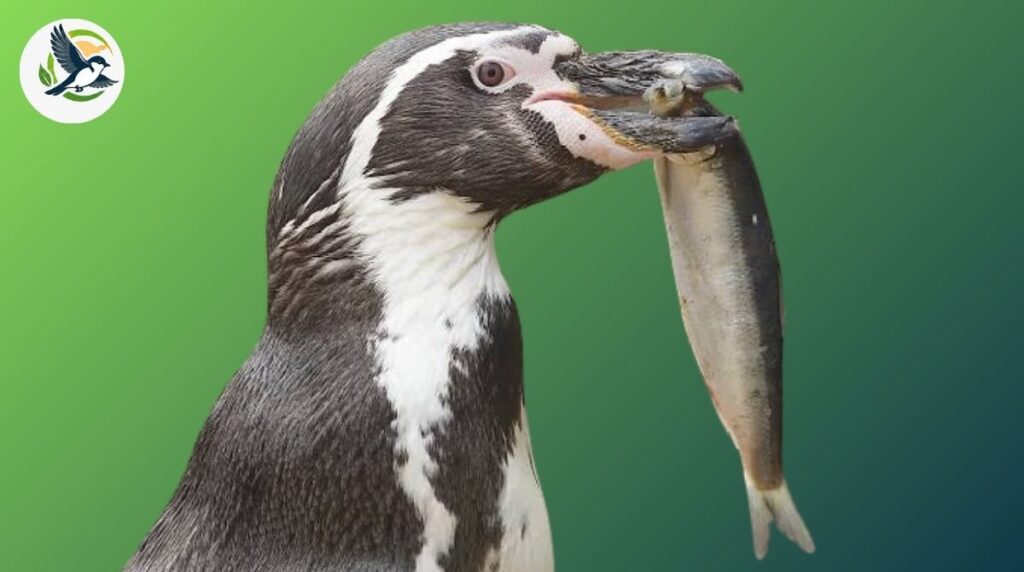
When pondering the question, do penguins have teeth, the answer may surprise you. Penguins, like many birds, actually lack true teeth. Instead, they possess a unique adaptation: serrated edges in their beaks that function similarly to teeth. This specialized structure allows penguins to grasp and hold slippery prey, such as fish and krill, effectively preventing their meal from escaping.
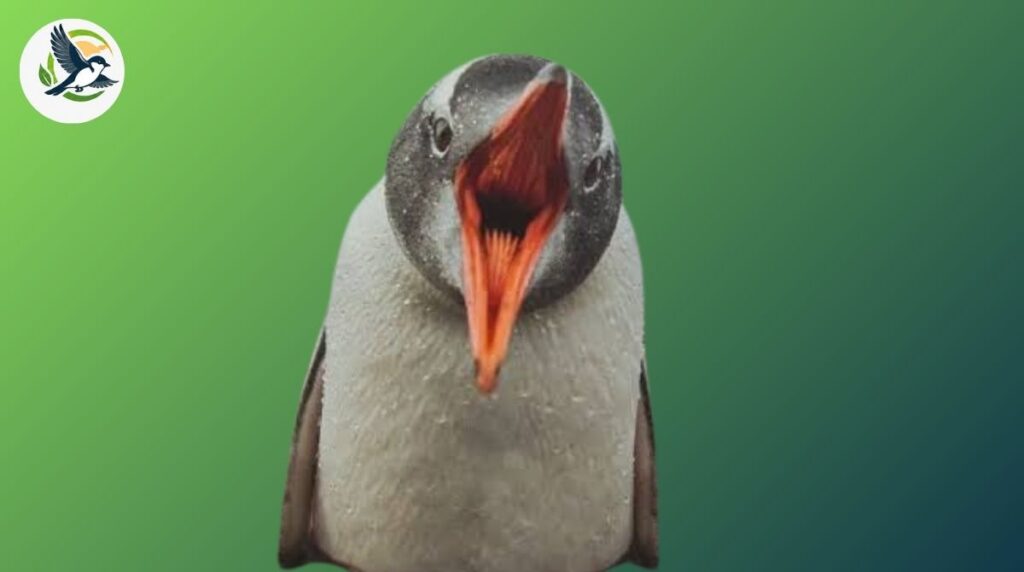
Moreover, this beak design suits their lifestyle perfectly. While they might not have teeth, penguins are adept hunters, navigating through icy waters with agility. The serrations on their beaks work like *saw-like* edges, making it easier for them to tear and consume their catch.
Inside a Penguin’s Mouth: What Are Papillae?
Inside a penguin’s mouth, the intricate structure of papillae plays a crucial role in their feeding habits. Unlike mammals, penguins do not have teeth. Instead, their beaks are lined with these small, pointed projections called papillae, which help to grip slippery fish and other prey. This unique adaptation allows penguins to efficiently consume food in their icy aquatic environment, where a toothless design might seem like a disadvantage.
Read more: How Big Are Hummingbird Eggs? Size, Weight, and Fascinating Facts
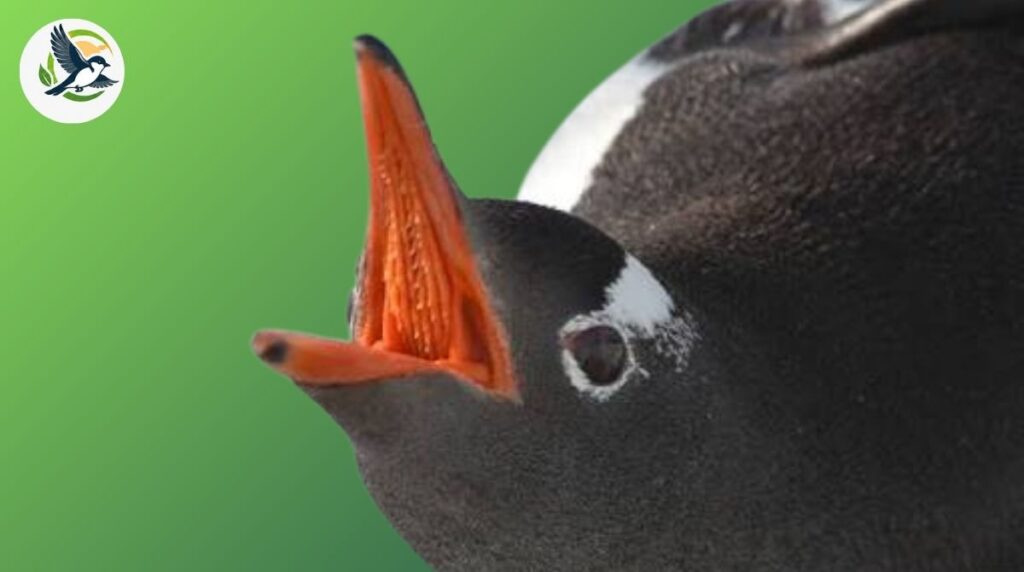
These papillae are not just functional; they’re a fascinating example of evolutionary design. As penguins dive and chase their prey, their beaks, aided by the papillae, create an effective snatching mechanism. This enables them to take in small fish much like how a bird might grasp seeds, showcasing the remarkable ways in which nature has equipped these flightless birds.
How Penguins Catch and Swallow Food Without Teeth
Do penguins have teeth? The short answer is no, but that doesn’t hinder their remarkable hunting prowess. Instead of teeth, these incredible birds are equipped with specialized structures in their mouths that aid in capturing slippery prey. Penguins possess serrated edges on their tongues and inner beaks, which act like a set of natural barbs. This unique adaptation allows them to grip and manipulate fish and other marine life with impressive efficiency, ensuring that nothing escapes their grasp.
When hunting underwater, a penguin’s streamlined body enables it to swim at astonishing speeds, making quick, agile maneuvers to catch their prey. Upon capturing a fish, the specialized mouth grab takes over; the unique design helps penguins swallow their meals whole. Contrary to what one might expect, this process isn’t merely about swallowing; it’s an intricate ballet of instinct and anatomy that highlights how evolution has sculpted these birds into expert ocean hunters, thriving in their frigid habitats. Understanding this hunting mechanism not only changes our perception of penguins but also deepens our appreciation for nature’s ingenious adaptations.
Penguin Anatomy vs. Birds With Tooth-Like Beaks
Penguins are unique among birds, as they lack true teeth. Instead, their mouths are lined with sharp, fleshy spines that act like a gripping mechanism, making it easier for them to catch and hold slippery prey such as fish and squid.
In contrast, some birds possess tooth-like structures, often referred to as “serrated edges,” helping them effectively grind or tear their food. For instance, the extinct Hesperornis — a toothy bird from the age of dinosaurs — had these adaptations to snare aquatic life.
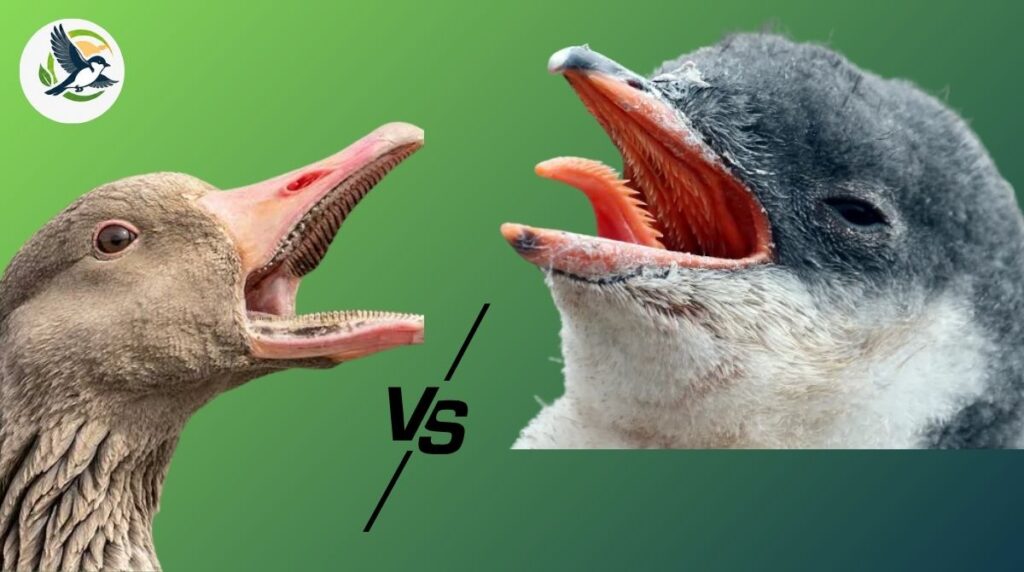
While penguins expertly maneuver through icy waters to hunt with agility, tooth-like beaks in other birds illustrate a fascinating evolutionary path. This divergence highlights how adaptations like jaw structure and beak design are crucial for survival in distinct ecological niches.
Understanding the anatomy of these birds not only answers the question, “Do penguins have teeth?” but also unveils a rich tapestry of evolutionary responses that shape their behavior and habitat. Each adaptation tells a story of survival that enriches our appreciation for avian diversity in nature.
What Do Penguins Eat? Common Diet and Hunting
Krill
These tiny, shrimp-like creatures dominate the penguin’s plate. With their vibrant pink hue and rich nutrients, krill not only provide a vital energy source but also play a pivotal role in the Antarctic ecosystem.
Fish
Among the most common meals, small fish like sardines and anchovies offer a feast for the agile hunters. Penguins use their streamlined bodies to dart through the freezing waters, snatching up these slippery prizes.
Squid
Some species, like the Emperor penguin, opt for squid as a delicacy. The thrill of the chase comes into play here, as these creatures often put up a fight, testing the penguin’s tenacity and dexterity.
Hunting Tactics
Penguins employ fascinating strategies when hunting. They may team up in groups, coordinating their movements to herd fish into tight clusters, optimizing their catch.
Seasonal Variations
A penguin’s diet is not set in stone; instead, it shifts with the seasons. During breeding seasons, access to food can be restricted, compelling them to adapt their foraging behaviors.
Nutritional Needs
A diverse diet is crucial, as each item contributes essential vitamins and minerals. This nutritional balance is what allows these remarkable birds to thrive in one of Earth’s most hostile environments.
Final Words
In conclusion, “Do penguins have teeth?” While penguins may not possess conventional teeth like many other animals, their unique anatomy is fascinating in its own right. The presence of keratin-based structures in their beaks serves a crucial purpose, allowing these remarkable birds to catch and grasp slippery fish with ease.
Understanding the intricacies of penguin anatomy not only enriches our knowledge of these aquatic creatures but also highlights the incredible adaptations that have evolved over millions of years. By appreciating the distinct features of penguins, we can better advocate for their conservation in a rapidly changing environment. So, let’s celebrate the wonders of nature and ensure that these beautiful birds thrive for generations to come!
FAQs
What is a sad fact about penguins?
One sad fact about penguins is their vulnerability to climate change. As temperatures rise, sea ice, their primary habitat for breeding and hunting, melts at alarming rates. This loss not only disrupts their breeding cycles but also diminishes their food sources, leading to lower survival rates for chicks.
Why do penguins have teeth?
Penguins don’t actually have teeth in the traditional sense. Instead, they possess sharp, spiky structures on their beaks called “lamellae.” These are not teeth but serve a similar purpose.
How high is a penguin’s IQ?
Penguins don’t have an IQ like humans do, primarily because IQ tests are designed specifically for human cognitive abilities. However, penguins exhibit behaviors that show a certain level of intelligence. For instance, they are social creatures and can work together in groups to catch fish or evade predators.