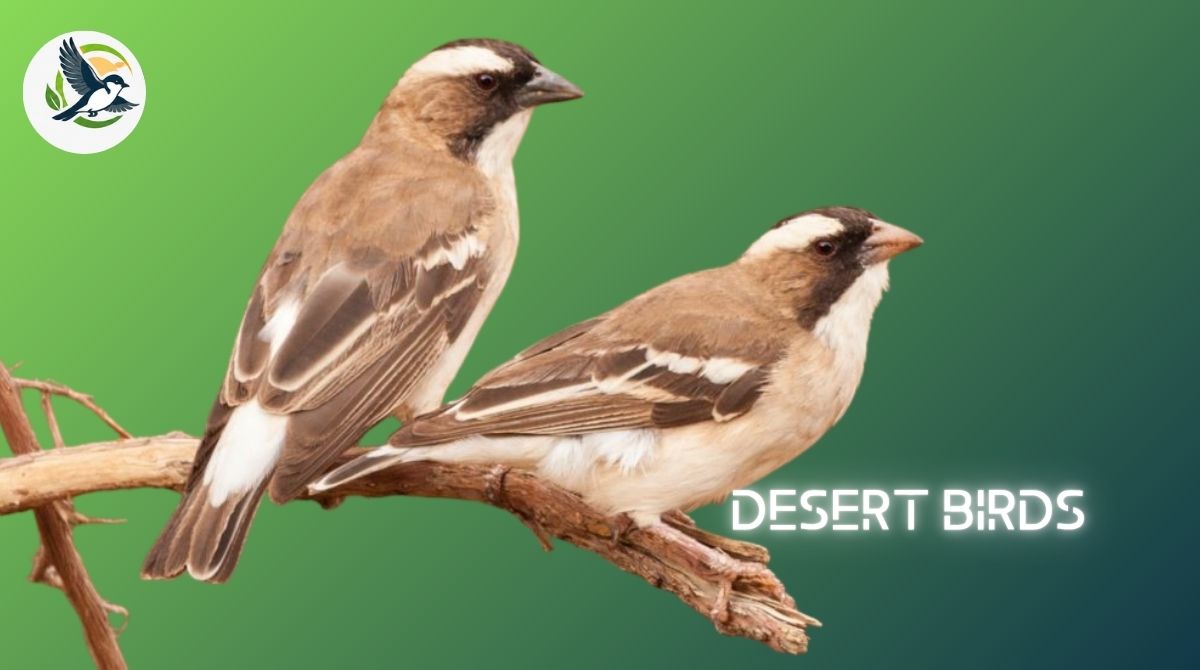
Desert Birds: 15 Incredible Birds That Flourish in the World’s Driest Landscapes
Desert life is widely known for being harsh and unforgiving, but some birds are made to survive the cruelty. Desert birds are a testament to nature’s ingenuity, with adaptations that allow them to flourish where few can.
In this article, we’ll unveil 15 incredible birds that thrive in the world’s driest landscapes. From their unique hunting strategies to striking appearances, these creatures showcase the beauty and resilience of life in the desert.
How Do Desert Birds Survive Without Much Water?
Desert birds have developed an astonishing array of adaptations that allow them to thrive in arid environments with scarce water sources. These remarkable creatures often rely on specialized behaviors to minimize water loss. For instance, many species, such as the roadrunner and the cactus wren, have evolved to be active during the cooler hours of the day, conserving energy and moisture when the sun’s intensity is at its peak.
In addition to their behavioral features, desert birds have a unique physiological structure. Some birds, like the goldfinch, can get much of the moisture from the seeds and insects they consume, allowing them to go days without drinking water.
Top 5 Flightless Birds That Live in Desert Regions
Below is the list of the Top 5 Flightless Birds That Live in Desert Regions:
- Common Ostrich
- Somali Ostrich
- Southern Cassowary
- Emu
- Greater Rhea
Common Ostrich
The Common Ostrich, native to the African savannas and scrublands, surprisingly thrives in arid desert environments. With its long legs and exceptional speed capable of reaching up to 45 miles per hour, this bird showcases incredible adaptation. Its foraging skills allow it to consume a variety of seeds and insects, making it an efficient survivor in the desert.
Somali Ostrich
A unique subspecies of the Common Ostrich, the Somali Ostrich has adapted to the semi-arid regions of East Africa. Its feather structure is different, providing better insulation against the desert’s extremes. Interestingly, these birds engage in communal nesting, which helps them bolster their reproductive success despite the limited resources.
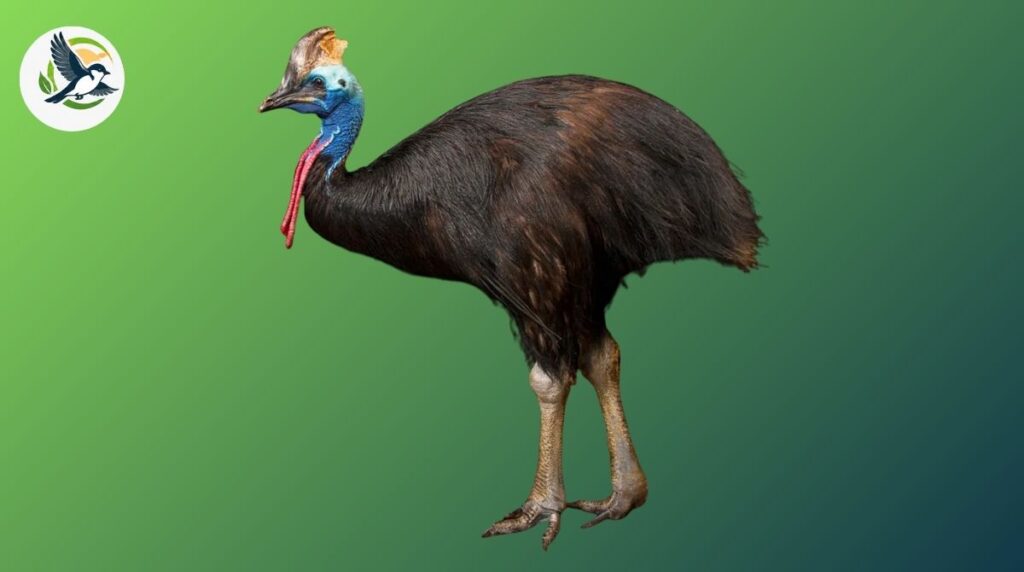
Southern Cassowary
While not exclusively a desert bird, the Southern Cassowary finds its home at the fringes of drier, wooded areas in Australia and New Guinea. Its vibrant blue skin and striking casque serve not only as a visual spectacle but also a role in thermoregulation under the hot sun. This elusive bird is a critical seed disperser in its ecosystem, highlighting its role in maintaining biodiversity even in challenging environments.
Emu
The Emu, Australia’s iconic flightless bird, thrives in a variety of terrains, including arid outback areas. Known for its migration patterns, this bird can travel great distances in search of food and water, showcasing an extraordinary ability to adapt to seasonal fluctuations. Their diet primarily consists of seeds, fruits, and insects, allowing them to exploit sparse resources efficiently.
Greater Rhea
Spanning the open grasslands and scrub regions of South America, the Greater Rhea is adept at surviving in drier conditions. With its large body and long legs, it can sprint to evade predators while foraging in need of food. Social animals, these birds often form groups that enhance their ability to detect threats, demonstrating the benefits of cooperation in arid environments where vigilance is key for survival.
Top 5 Birds of Prey Found in Deserts
Below is the list of the Top 5 Birds of Prey Found in Deserts:
- Lanner Falcon
- Saker Falcon
- Golden Eagle
- Verreaux’s Eagle
- Pharaoh Eagle-Ow
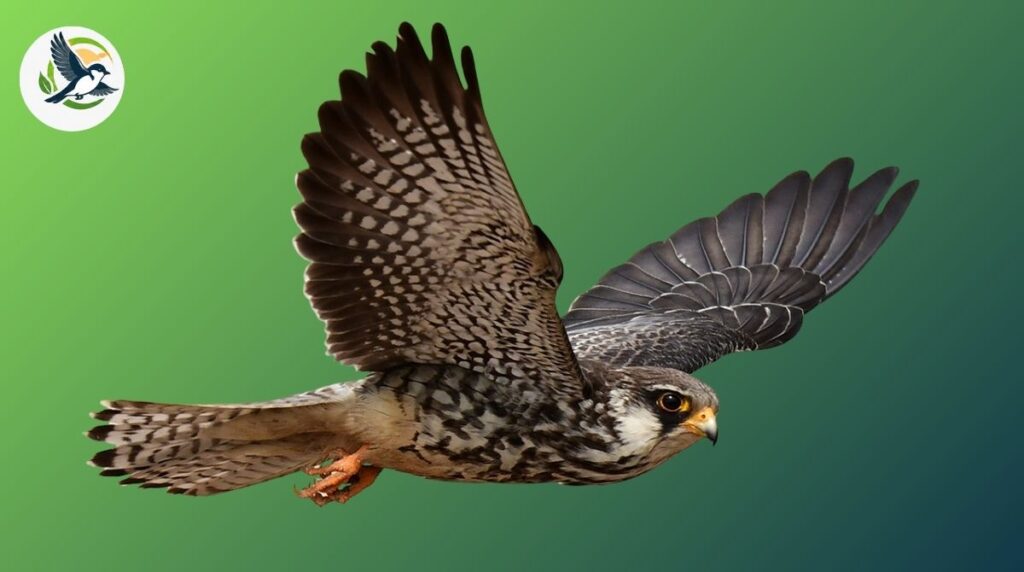
Lanner Falcon
Renowned for its incredible speed and agility, the Lanner Falcon thrives in arid landscapes by mastering the updrafts created by rocky outcrops. With a hunting technique that involves stooping to strike prey like small mammals and birds, this falcon is a master of precision. Their striking plumage, adorned with slate-blue feathers, not only aids in camouflage but also allows them to blend seamlessly into rocky desert terrains.
Saker Falcon
The Saker Falcon stands as a true symbol of desert adaptation, often seen soaring high in the sky. Known for its powerful build, this falcon hunts larger birds, making it a formidable predator. Interestingly, its unique social structure enhances survival, with many Sakers nesting in colonies, providing safety in numbers amidst harsh desert conditions.
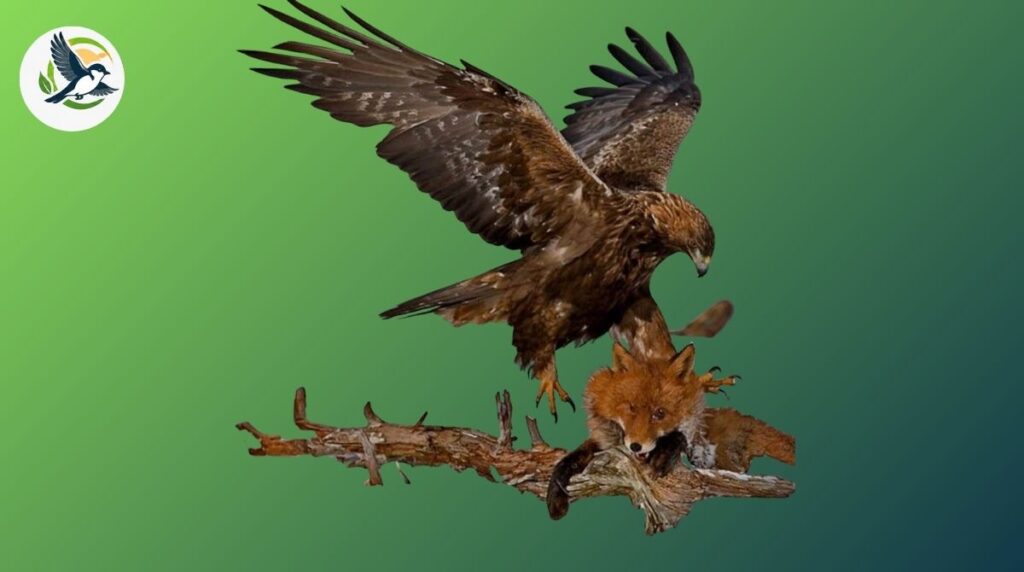
Golden Eagle
This majestic bird, often associated with strength, is an apex predator of the desert. Golden Eagles possess remarkable eyesight that allows them to spot prey from long distances; their hunting techniques depend on the availability of food. Their impressive wingspan enables them to glide effortlessly over vast stretches of barren land, showcasing both grace and power.
Verreaux’s Eagle
Making its home in rocky cliffs of desert landscapes, the Verreaux’s Eagle is known for its distinctive appearance, featuring white eyebrows that give it a striking profile. This eagle primarily hunts rock hyraxes and other small mammals, using its strong talons to snatch prey from challenging terrains. Its extraordinary partnership with the arid surroundings perfectly adapted to these rugged habitats makes it a fascinating subject for birdwatchers and nature enthusiasts alike.
Pharaoh Eagle-Owl
The Pharaoh Eagle-Owl is a nocturnal predator, showcasing its hunting prowess during the cooler desert nights. Characterized by its large size and haunting call, this owl employs stealth to ambush rodents and other small prey. Its ability to thrive in the desert’s extreme conditions offers insights into the resilience, serving as a reminder of nature’s remarkable adaptability.
Top 5 Small Desert Birds Adapted to Hot Climates
Below is the list of the Top 5 Small Desert Birds Adapted to Hot Climates:
- Desert Sparrow
- Black-throated Sparrow
- Greater Hoopoe-Lark
- Desert Wheatear
- Dunn’s Lark
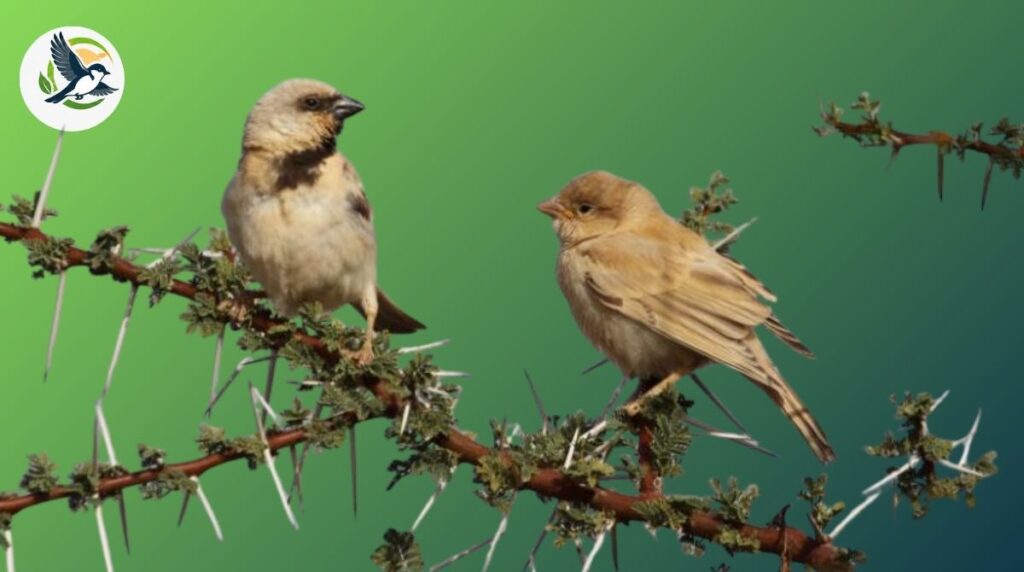
Desert Sparrow
The Desert Sparrow thrives in arid landscapes, showcasing incredible resilience. With its ability to survive on minimal water by extracting moisture from seeds, this small bird exemplifies nature’s ingenuity. Its light-colored plumage reflects harsh sunlight while providing excellent camouflage against desert backdrops.
Black-throated Sparrow
This striking bird, adorned with a black throat and white eyebrows, brings vibrancy to the sandy terrain. The Black-throated Sparrow has a unique foraging technique, often scratching the ground to uncover hidden seeds, showcasing its adaptability to food scarcity. Additionally, its melodic song resonates through the desert, providing a surprisingly active social charm among sparse surroundings.
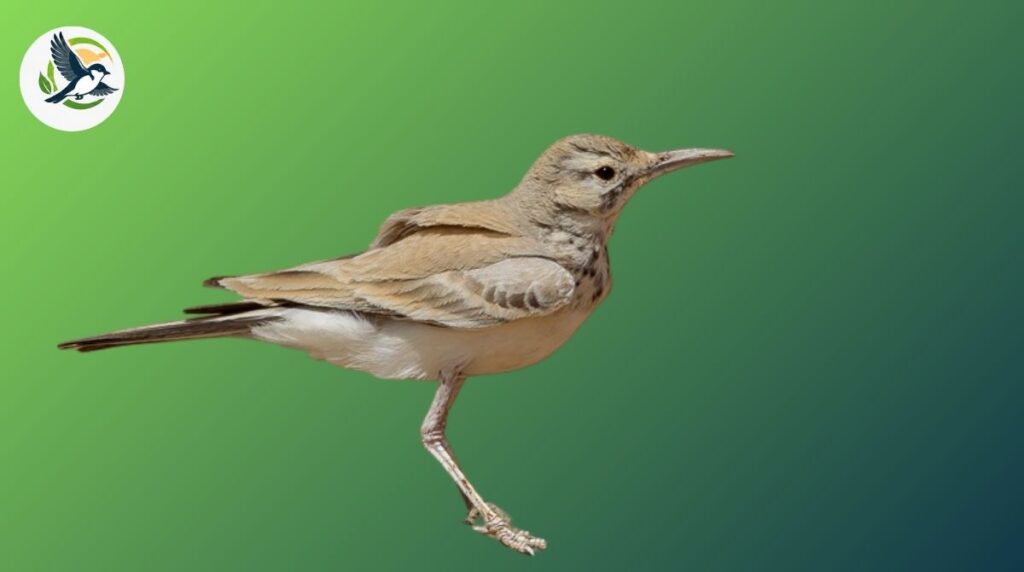
Greater Hoopoe-Lark
Renowned for its distinctive call and impressive ground-dwelling habits, the Greater Hoopoe-Lark possesses exceptional flight capabilities, allowing it to navigate vast stretches of desert with ease. Its nest, crafted on the ground, is ingeniously camouflaged to avoid predation, combining practicality with the harshness of its habitat. This bird’s ability to forage by day and sing at night highlights its versatility in coping with temperature extremes.
Desert Wheatear
With a bold combination of black and white plumage, the Desert Wheatear stands out against the muted tones of its environment. Its preference for open terrain makes it an agile forager, while its ability to regulate body temperature ensures it remains active during the hottest parts of the day. Often seen perched on rocks, it uses its vantage point to spot insects and small creatures, turning the desert into a buffet of opportunity.
Dunn’s Lark
Among the less familiar desert inhabitants, the Dunn’s Lark is a true testament to survival. Its understated brown camouflage allows it to blend seamlessly into the arid landscape, a key adaptation for evading predators. This bird’s behavior includes characteristic ground displays during mating seasons, demonstrating how vital social interactions are in such an unforgiving environment. Their ability to thrive in extreme heat makes them a beacon of endurance in the vast desert expanse.
What Threats Do Desert Birds Face Today?
Desert birds face an array of threats that challenge their survival in increasingly harsh environments. One significant danger is habitat loss due to urban expansion and agricultural development. As cities grow and farmlands spread, these birds lose their natural sanctuaries, forcing them into smaller, fragmented areas where breeding and foraging become more difficult. This disruption often leads to a decrease in population numbers and genetic diversity, making them more vulnerable to other environmental stresses.
Climate change exacerbates these issues, as rising temperatures and unpredictable rainfall patterns alter the delicate ecosystems that desert birds rely on. These changes can disrupt food availability and nesting sites, placing additional strain on already stressed populations.
Final Words
In exploring the fascinating world of desert birds, it becomes clear that these incredible creatures have adapted in remarkable ways to thrive in some of the harshest environments on the planet. From the resilient roadrunner to the majestic hawk, each bird showcases unique traits that enable them to survive and flourish despite the extreme heat and scarce resources.
Their vibrant colors and extraordinary behaviors remind us of nature’s creativity and resilience. We deepen our appreciation for these wonders. Let’s commit to protecting these incredible birds and the delicate ecosystems they inhabit, ensuring they continue to inspire generations to come.
FAQ’s
Which is the most beautiful desert bird in the world?
One of the most beautiful desert birds is the Greater Roadrunner. Known for its striking plumage, which features a mix of iridescent blue and brown, this bird is not just visually appealing but also fascinating in behavior.
What types of birds are in the desert?
Desert regions are home to a variety of bird species that have adapted to harsh conditions. Common birds include the roadrunner, known for its speed and appearance, and the American kestrel, a small, colorful falcon that hunts insects and small animals.