Difference Between Crow and Raven: How to Identify a Crow and a Raven
Did you know that crows and ravens, despite their similar appearances, belong to two distinct species? Understanding the difference between crow and raven is not just about identifying these striking birds in your backyard; it’s essential for birdwatchers and nature enthusiasts alike.
This article will guide you through the key characteristics that set these two avian cousins apart. By the end, you’ll confidently identify a crow from a raven, enriching your outdoor experiences.
How Can You Tell the Difference Between a Crow and a Raven?
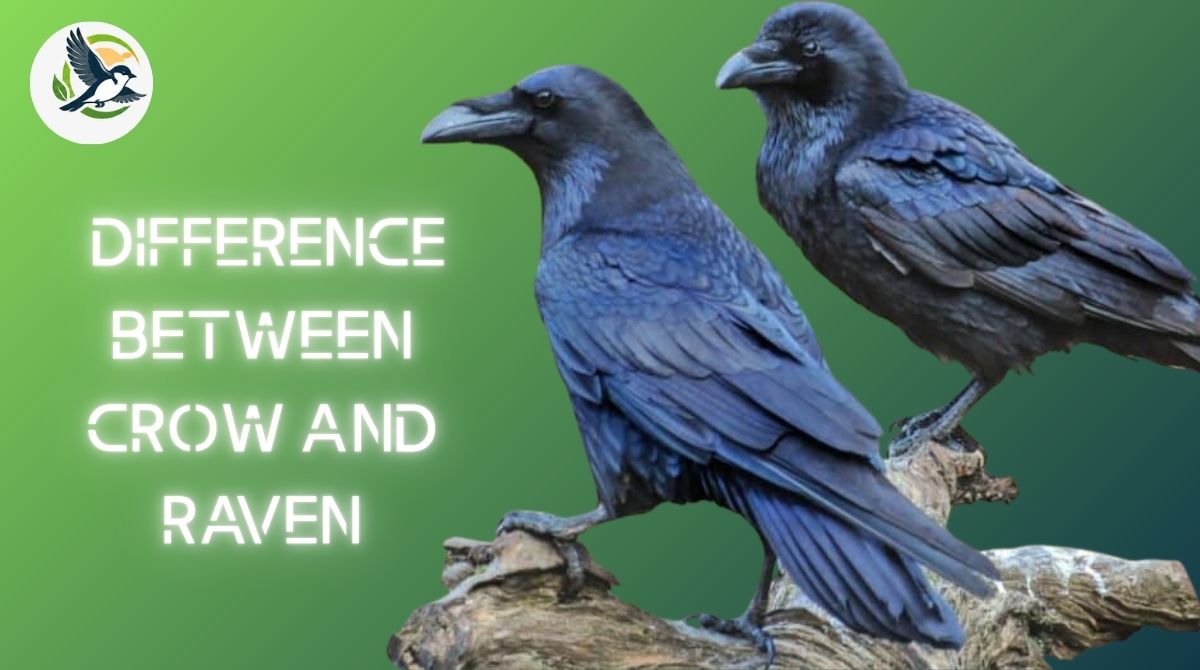
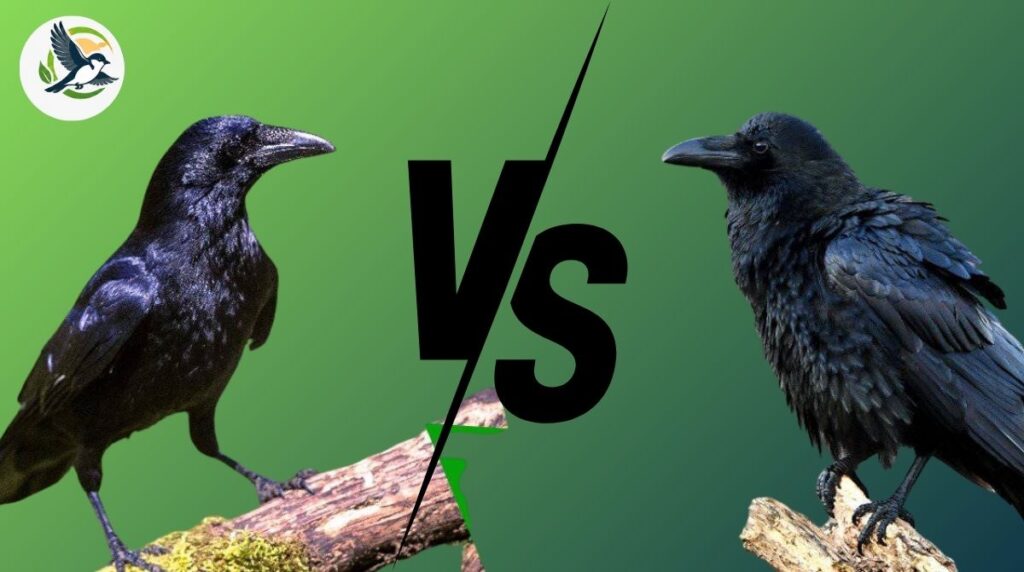
When exploring the difference between crow and raven, one of the most striking features is their size. Ravens are considerably larger than crows, often sporting a wingspan that can reach up to four feet compared to the crow’s more modest wingspan of about two and a half feet. This size difference can be a quick identifier, especially when you see them in flight. Ravens also have a wedge-shaped tail, while crows have a more fan-like tail, adding to their distinct silhouettes.
Another fascinating aspect lies in their vocalizations. While both birds are known for their intelligence and complex calls, ravens produce deeper, more resonant sounds, often described as croaks. Crows, on the other hand, emit a series of high-pitched caws.
Crow vs. Raven: Quick Comparison Table
| Features | Crow | Raven |
| Size | Smaller: typically 14-20 inches | Larger: 24-27 inches |
| Vocalization | Cawing, harsh, sometimes melodic | Deep, resonant croaks, varied sounds |
| Social Behaviour | Often found in large groups | More solitary or in pairs |
| Intelligence | Highly adaptive, problem solvers | Extremely intelligent, known to use tools |
| Habitat | Urban to rural environments | Prefers rugged terrains, forests |
| Color | Glossy black, with some grayish feathers | Shiny black, larger throat feathers | |
| Cultural Significance | Associated with mystery and omens | Symbol of prophecy, wisdom in various myths |
Size and Physical Appearance
When exploring the difference between crow and raven, one of the most striking aspects is their size and physical appearance. Ravens typically boast a larger stature, often weighing up to four times more than crows, with an impressive wingspan reaching nearly four feet. This substantial size difference not only enhances their presence in the wild but also affects their flight patterns. Ravens exhibit a more graceful flight, with elongated wings that allow for soaring, while crows tend to have a more erratic and flapping style.
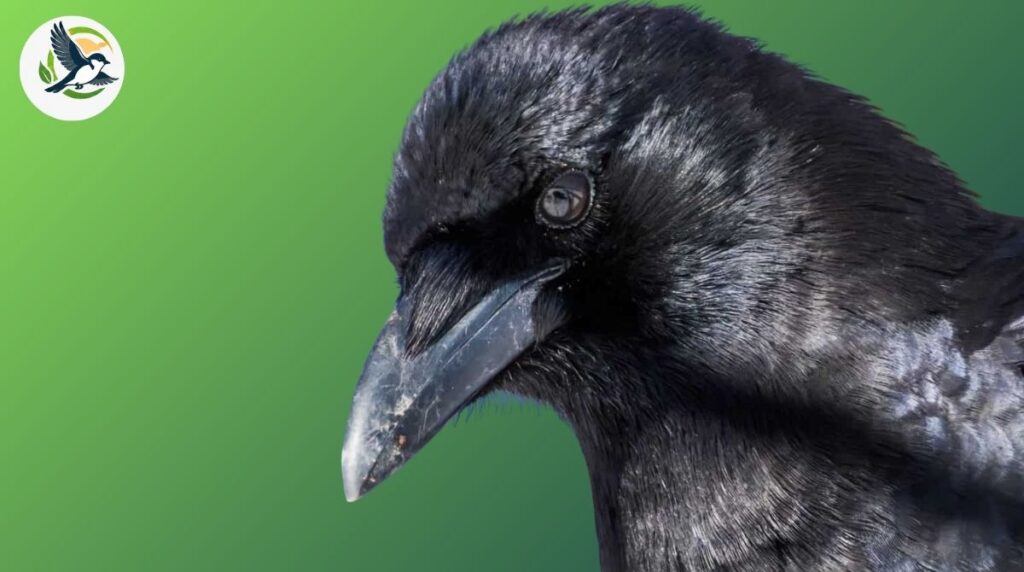
In terms of physical features, ravens display an unmistakable wedge-shaped tail, as opposed to the fan-shaped tail of crows. Their glossy feathers shimmer with iridescent hues of blue and purple, creating an enchanting visual dynamic.
Beak Shape and Head Profile
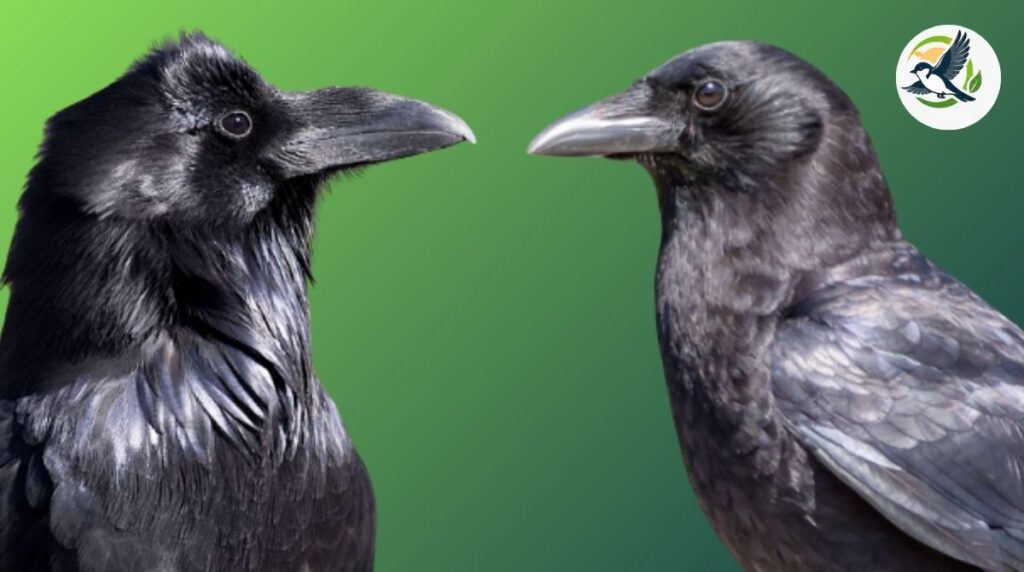
The beak shape and head profile of birds can often be a telling giveaway in distinguishing species, particularly when exploring the difference between crows and ravens. Crows feature a more straight-edged, slender beak that enables them to pull apart food items easily. In contrast, ravens exhibit a thicker, more robust beak, designed to crack open tougher food sources. This difference not only influences their diet but also reflects their adaptability in various environments.
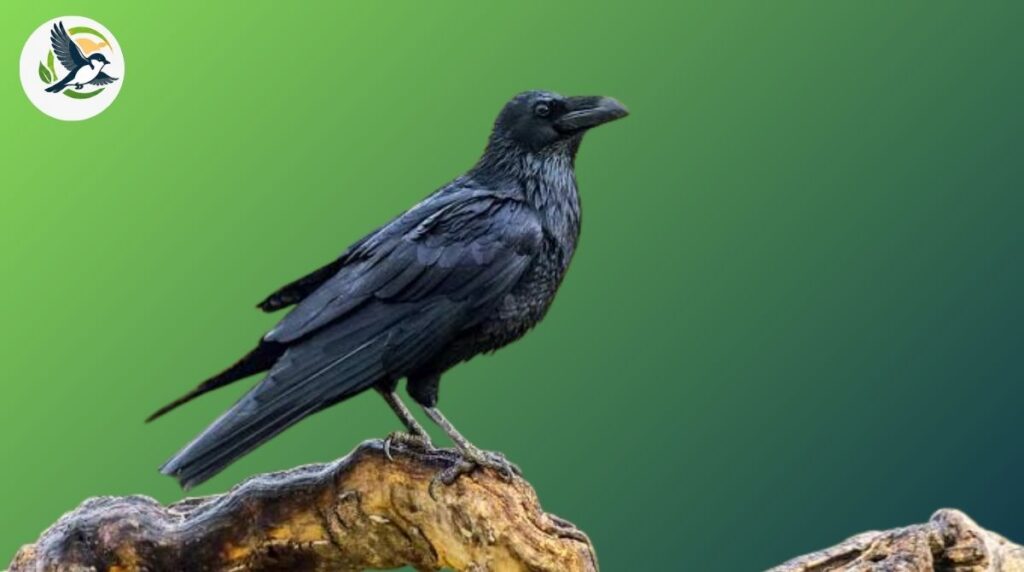
Moreover, the head profile differs significantly between the two. Ravens possess a more pronounced throat hackle, giving them a shaggy appearance, while the smooth contour of a crow’s head is neatly aligned with its slender body.
Which Bird Is More Common?
When considering which bird is more common, crows often emerge as the unsung urban champions. These adaptable birds thrive in various environments, from bustling cities to remote forests. Their remarkable intelligence allows them to forage for food and navigate human-made landscapes with ease. In fact, studies show that crows can recognize human faces and develop unique relationships with their surroundings.
Also read more: Birds That Start With I: 15 Incredible Birds You Should Know
Final Words
In conclusion, understanding the difference between crows and ravens is important for both bird enthusiasts and casual observers alike. These two birds, while similar in many ways, possess distinct characteristics that can help you identify them in the wild. Pay attention to their size, vocalizations, and even their flight patterns to differentiate between the two.
By practicing your observation skills, you can enjoy a richer experience in nature and become more in tune with your surroundings. Next time you’re out, take a moment to observe these fascinating creatures and sharpen your identification skills!
FAQs
How do I know if it’s a crow or raven?
To distinguish between a crow and a raven, start by observing their size. Generally, ravens are larger than crows, with a wingspan that can reach up to 4 feet. In contrast, crows are smaller, typically having a wingspan of around 2.5 feet.
Are ravens good or bad luck?
The idea of ravens being good or bad luck varies greatly across cultures and personal beliefs. In some traditions, these intelligent birds are seen as messengers of the spiritual world, symbolizing transformation and insight. Many people consider a sighting of a raven to be a sign of good fortune, especially when it signifies change or new beginnings.
Who is stronger, a raven or a crow?
When it comes to comparing strength between a raven and a crow, it’s essential to look at size and behavior. Ravens are generally larger and have a more robust build than crows. They can weigh up to 2.5 pounds while crows typically weigh around 1 pound.