Brown Birds: 10 Beautiful Brown Bird Species You Should Know
While often overlooked in favor of their more colorful counterparts, brown birds possess stunning beauty and fascinating behaviors. Did you know that brown birds make up a significant portion of our planet’s avian diversity?
In this informational guide, we’ll explore 10 beautiful brown bird species that you absolutely should know about. By the end, you’ll appreciate the unique charm these creatures bring to our ecosystems and perhaps even spot a few in your own backyard.
What Are the Most Common Brown Birds?
When exploring the world of common brown birds, one can’t overlook the charming small brown bird species that often flit about in gardens and parks. The expert camouflage of birds like the House Sparrow and the Song Sparrow showcases nature’s incredible design; their brown plumage helps them blend seamlessly into their surroundings, warding off potential predators. These birds are not just visually intriguing; they also play essential roles in their ecosystems, from seed dispersal to pest control, making them vital components of their habitats.
Another fascinating aspect of these common brown birds is their diverse behaviors. Take the American Robin, for instance. While easily recognized by its warm rust-colored breast, its overall brownish hue becomes a characteristic cloak when it’s foraging for worms or gathering materials for its nest. These birds are often spotted in large, joyful flocks during migration, a sight that can brighten any outdoor adventure. Importantly, observing these small brown birds offers a doorway into understanding the intricate relationships within nature.
10 Beautiful Brown Bird Species
- House Sparrow
- Song Sparrow
- Chipping Sparrow
- American Tree Sparrow
- Carolina Wren
- Bewick’s Wren
- Canyon Wren
- Hermit Thrush
- Wood Thrush
- Brown Thrasher
Bewick’s Wren
This wren’s playful antics and curious personality are as captivating as its soft brown plumage. A quick mover, Bewick’s Wren often ventures into backyard feeders, providing glimpses of its intricate markings as it hops about.
Song Sparrow
Renowned for its melodic tunes, the Song Sparrow enchants listeners with a repertoire that varies by region. These little songbirds boast beautifully streaked feathers, with cool browns that help them blend seamlessly into their grassy habitats.
Chipping Sparrow
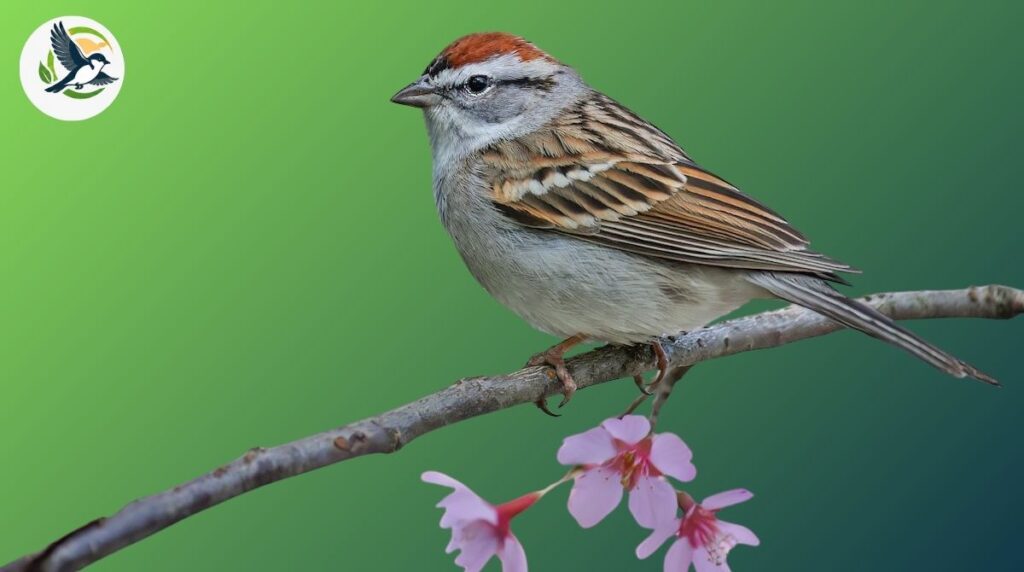
With its crisp, cheerful call, the Chipping Sparrow brings a vibrant energy to suburban backyards. Their slender frame and rufous cap set them apart, while their soft brown plumage provides excellent camouflage among twigs and grass.
American Tree Sparrow
A winter visitor in many areas, the American Tree Sparrow sports a charmingly distinctive appearance, characterized by its rusty cap and dark spot on the breast. Often found foraging in open fields, they are a reminder of the seasonal shifts in nature.
Carolina Wren
Known for its loud, bubbling song, the Carolina Wren is a small powerhouse of sound. Their rich, warm brown feathers and curious disposition make them delightful companions, particularly in gardens where they often flit about.
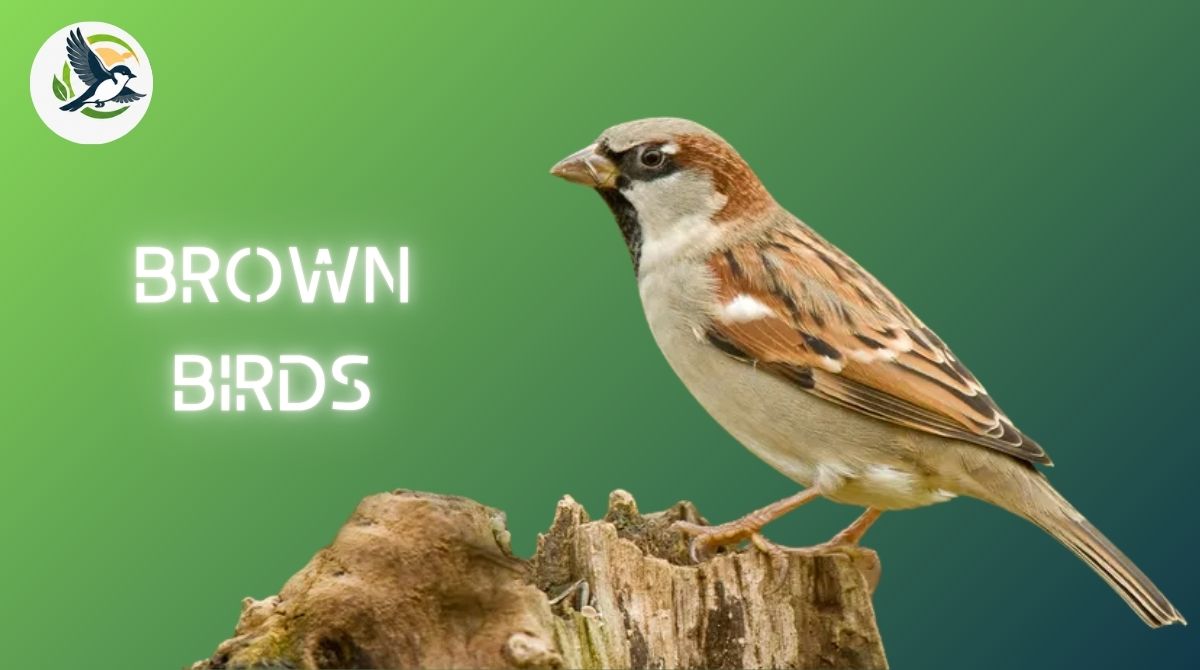
House Sparrow
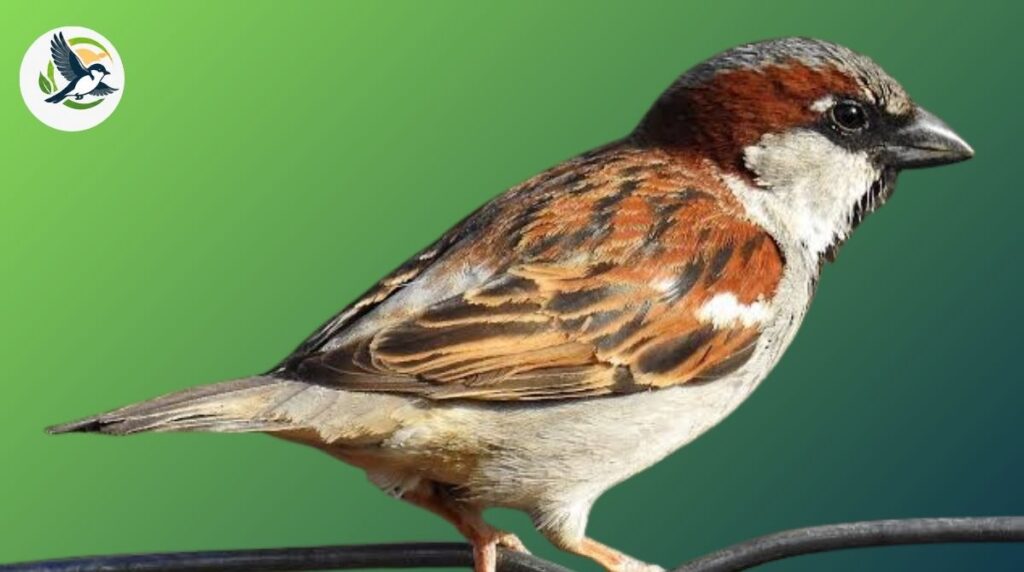
Often found in urban landscapes, the House Sparrow’s adaptability is a testament to its resilience. Their lively chatter and sociable nature make them a familiar sight, yet their intricate feather patterns showcase nature’s artistry in shades of brown and black.
Canyon Wren
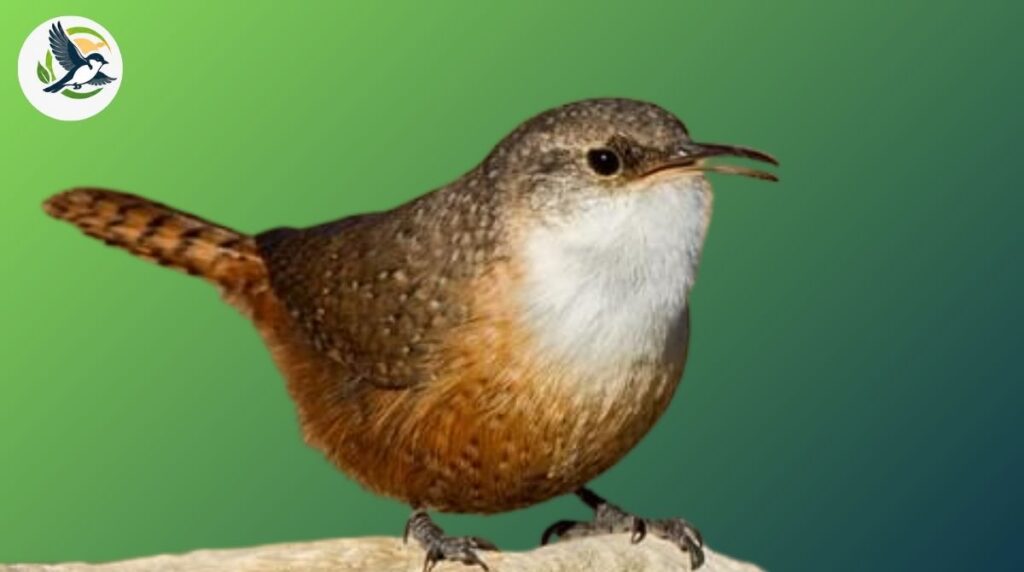
Habitat-specific, the Canyon Wren embodies the rugged beauty of its name. With a striking contrast of brown tones, its beautiful song echoes through canyons, serving as a natural symphony that enhances the wild landscapes it inhabits.
Hermit Thrush
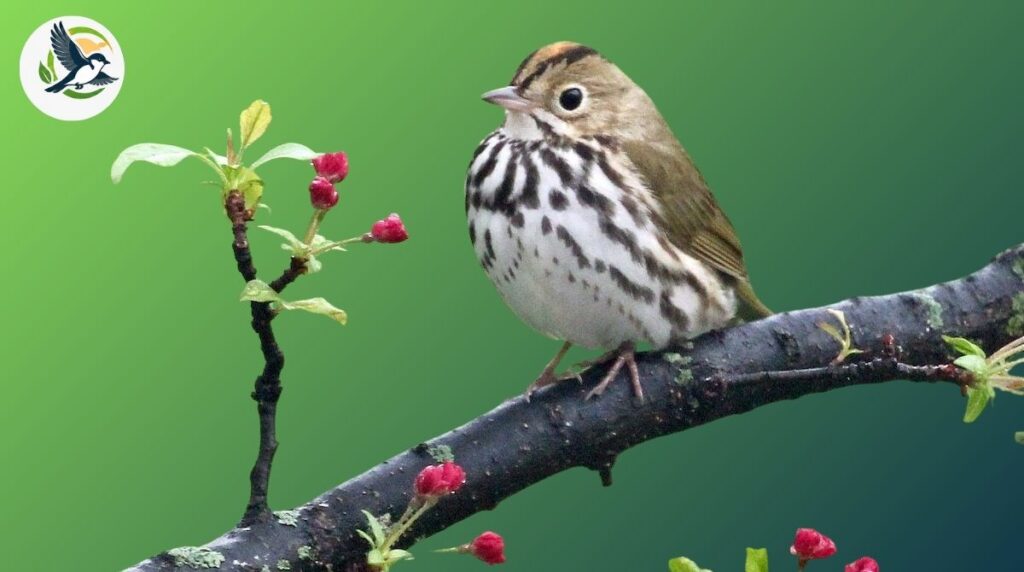
Renowned for its hauntingly beautiful song, the Hermit Thrush blends seamlessly with woodland environments, its warm brown feathers and speckled chest aiding in its disguise among leaf litter. Its ethereal tunes resonate deep in the forest, creating an atmosphere of enchantment.
Wood Thrush
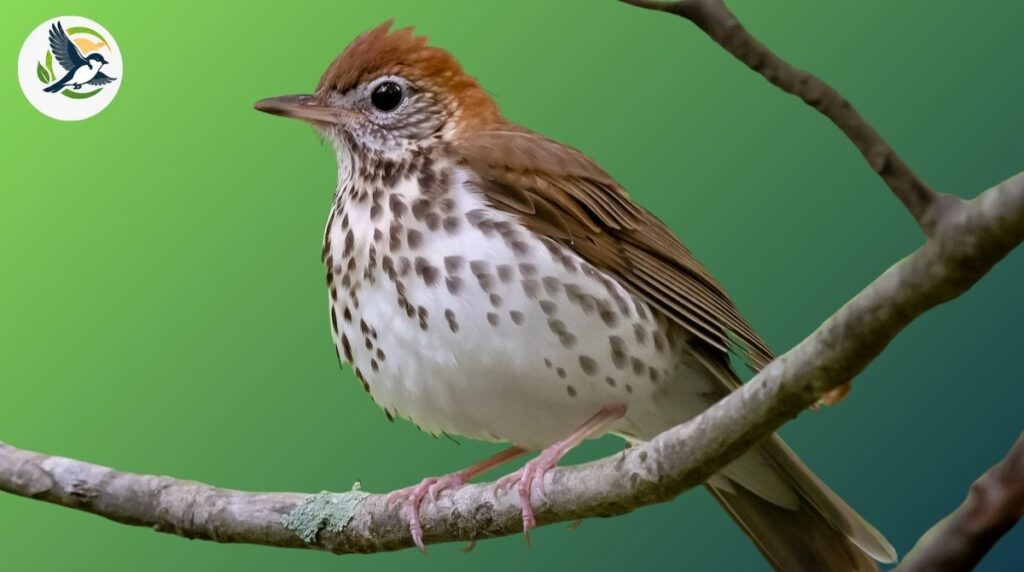
The Wood Thrush captivates with both its striking appearance and its refined vocalization. Its brown-spotted breast and rich, dark browns harmonize perfectly with its forest home, making it a beloved symbol of woodland soundscapes.
Brown Thrasher
Distinguished by its long tail and striking markings, the Brown Thrasher has a zeal for mimicry, often imitating other songbirds. Its robust size and intricate patterns of browns and whites create a fascinating visual spectacle as it forages through dense underbrush.
How to Identify Brown Birds by Size, Color, and Habitat
Size Matters
When identifying brown birds, start by assessing their size. Medium-sized brown birds often give context clues to their identity. A bird the size of a robin, with a long beak, might be a female brown thrasher, especially when you see it foraging in the underbrush. Pay attention to subtle differences; for instance, larger dark brown birds could hint at a juvenile cowbird.
Also read more: Black Crow Meaning: What Does a Crow Symbolize
Color Variations
Not all brown birds are created equal in hue. Observe the shades and patterns on their plumage. Dark brown birds can range from almost blackish to warm, tawny tones, with some exhibiting spots or streaks. This nuanced coloring can be the key to narrowing down your options; for instance, a uniformly dark bird could likely be a brown creeper hiding among tree trunks.
Habitats Reveal Secrets
The environment where you spot a brown bird can provide crucial identification hints. Birds that resemble the brown thrasher are often found in shrubby areas or open woods, where their distinct calls echo. Conversely, if you catch sight of a medium-sized brown bird near water, it could very well be a female American bittern, known for its elusive nature and camouflage among reeds. By combining size, color, and habitat, you’ll navigate the fascinating world of brown birds with greater confidence.
Where Do Brown Birds Live?
Brown birds are primarily found in diverse habitats, from lush forests to open grasslands. Some species, like the house sparrow, thrive in urban environments, adapting to human structures, while others prefer the secluded canopy of mature woods.
In wetlands and marshes, you’ll encounter brown birds such as the American bittern, expertly camouflaged to blend with their surroundings. They often choose these habitats for their abundant food sources, like fish and insects, offering both nourishment and cover.
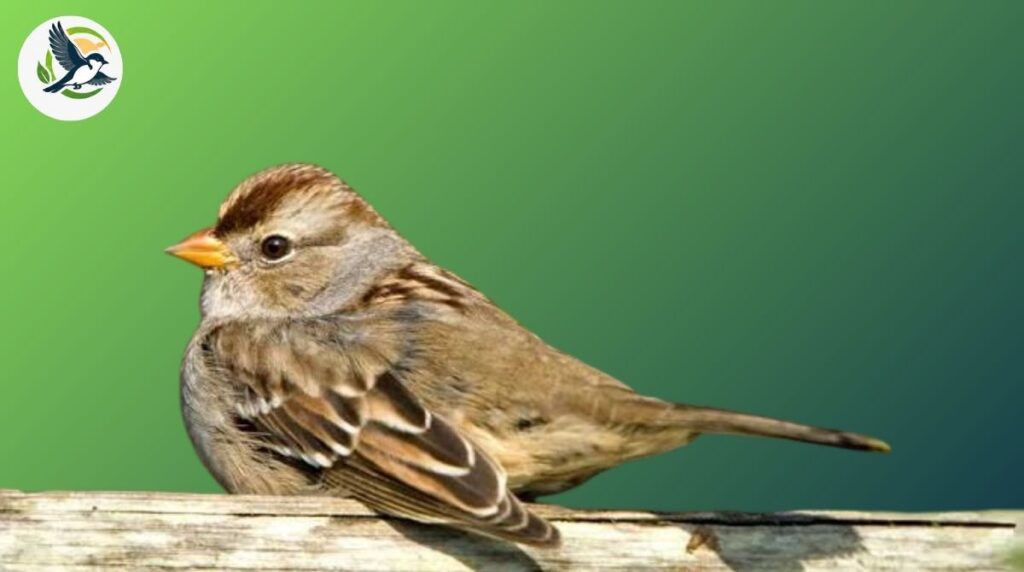
Grasslands play host to a variety of brown birds, including the meadowlark, known for its melodious song. This open terrain provides vital nesting sites, maximizing their chances of survival against predators. Additionally, many migratory species seek refuge in these areas during seasonal transitions, showcasing the importance of preserving these vital ecosystems.
Why Are So Many Birds Brown?
When you observe the sky, you might notice a multitude of black and brown birds efficiently blending into their environments. This adaptive coloration is not just a coincidence; it plays a crucial role in survival. Brown and white birds often utilize their earthy tones as a form of camouflage, making it easier to evade predators and sneak up on unsuspecting prey. In a world rife with threats, those hues become vital shields, helping these avian creatures thrive in their habitats.
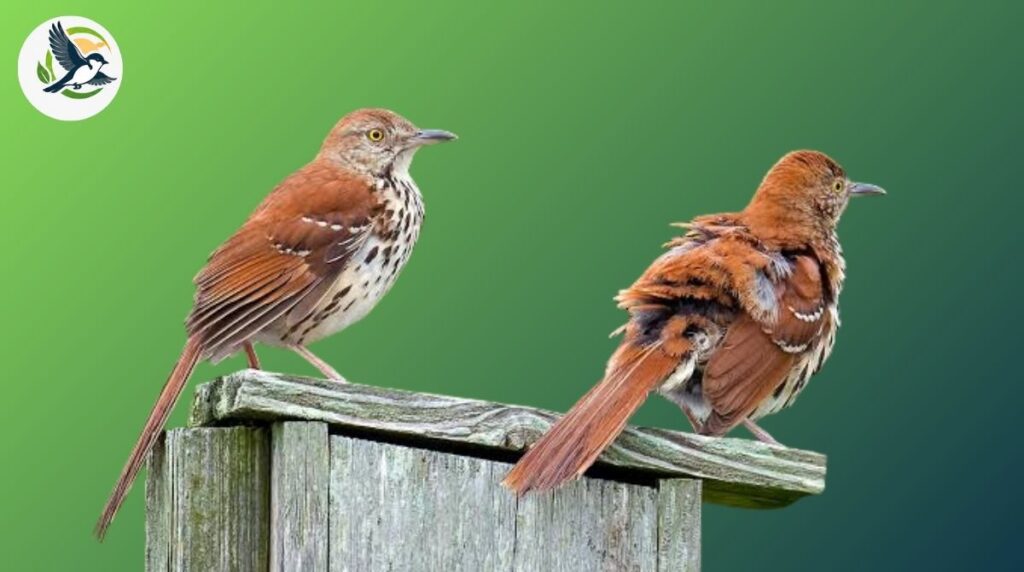
Interestingly, many species, including small brown and white birds, exhibit these colors due to their evolutionary journeys. Instead of vibrant plumage, which may attract mates but also signal danger, these muted shades can yield more successful breeding outcomes in various ecosystems. By maintaining this low profile, these birds can efficiently forage and protect their nests, ultimately enhancing their chances of raising healthy young. Embracing the beauty of brown in nature reveals a complex tapestry of survival that showcases the elegance of simplicity.
Final Words
In conclusion, brown birds offer a stunning array of diversity that often goes unnoticed. From the striking American Robin to the elegant Brown Thrasher, these species are not only beautiful but also play essential roles in their ecosystems. Appreciating their unique characteristics can deepen our connection to nature and enhance our birdwatching experiences.
Whether you’re an experienced birder or just starting, keep an eye out for these remarkable brown species in your own backyard. So, grab your binoculars and get ready to discover the beauty of brown birds!
FAQs
What is the name of a brown bird?
One common brown bird is the house sparrow. These small birds are often seen in urban areas, with their distinctive brown feathers and lively chirps. They thrive around human habitats, foraging for scraps and nesting in eaves.
What does a brown bird symbolize?
A brown bird often symbolizes grounding and stability. The color brown is associated with the earth, representing reliability and a strong connection to nature. In many cultures, brown birds can signify simplicity and humility, reminding us to appreciate the everyday beauty in our lives.
What is a black and brown bird?
A black and brown bird typically refers to species that have a mix of dark and brown feathers. Common examples include various types of sparrows, thrushes, and some types of finches.