Wisconsin Birds: 10 Common Species You Can Spot Year-Round
If you are a birdwatcher and visit the United States, never forget to visit Wisconsin, because it is the golden spot for you to complete your bird album. Wisconsin is famous for its dairy products, but its wildlife is quite underrated, especially Wisconsin birds. From the famous American Robin to the blue jay, Wisconsin is home to many of these majestic birds.
This guide will help you identify the gorgeous birds thriving in Wisconsin, so you won’t get confused when exploring Wisconsin wildlife. Also, you will get to know in which season your favourite bird comes and becomes a common sight in the Wisconsin forest. Let’s dig deep into it!
What Are the Most Common Birds in Wisconsin?
Wisconsin birds are a vibrant part of the state’s natural tapestry, and spotting them can be an exhilarating experience, especially for birdwatching enthusiasts. Among the most common avian residents is the American robin, with its cheerful, rust-colored breast, which plays as a harbinger of spring.
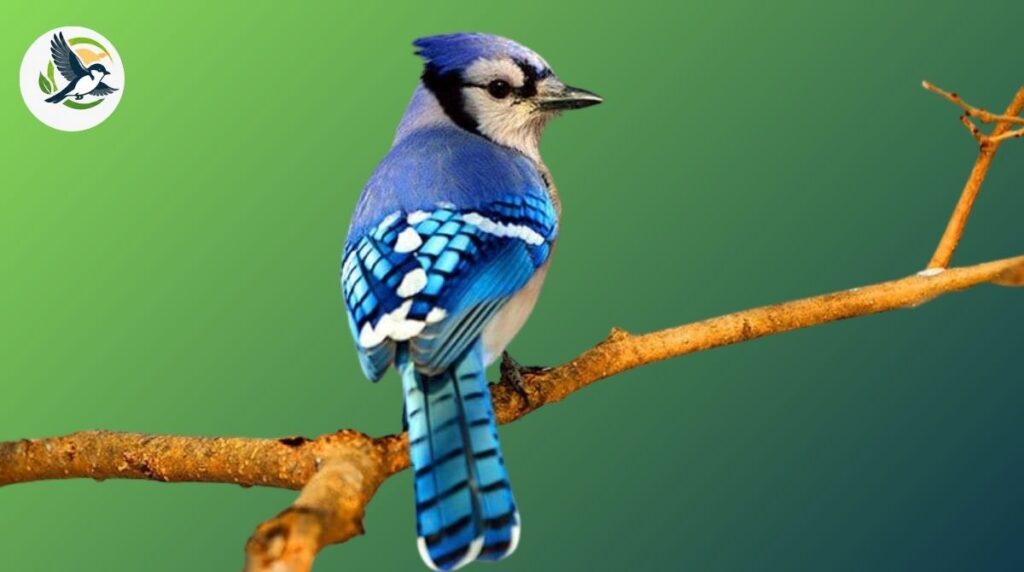
Another familiar sight is the blue jay, known for its striking blue plumage and raucous calls that fill the forests. Each of these species brings a unique character to the landscape, and watching their interactions can reveal intricate behavioral patterns that enrich our understanding of the ecosystem.
Top 10 Common Wisconsin Birds You Can Spot Year-Round
- American Robin
- Black-capped Chickadee
- Northern Cardinal
- Blue Jay
- American Goldfinch
- Downy Woodpecker
- Mourning Dove
- Red-winged Blackbird
- White-breasted Nuthatch
- House Finch
American Robin
Often regarded as a herald of spring, the American Robin is an adaptive forager. These birds are equally fascinating in winter, sometimes seen foraging in the snow, showcasing their resilience. Their cheerful songs can brighten even the coldest days, reminding us that life persists.
Black-capped Chickadee
The charming Black-capped Chickadee is not only a delight to observe but is also known for its curious nature. Often seen flitting around feeders and shrubs, they can be recognized by their distinctive, high-pitched “chick-a-dee-dee-dee” call, which varies in intensity depending on the level of threat. Their ability to store food for later is a marvel, showcasing their intelligent foraging habits.
Northern Cardinal
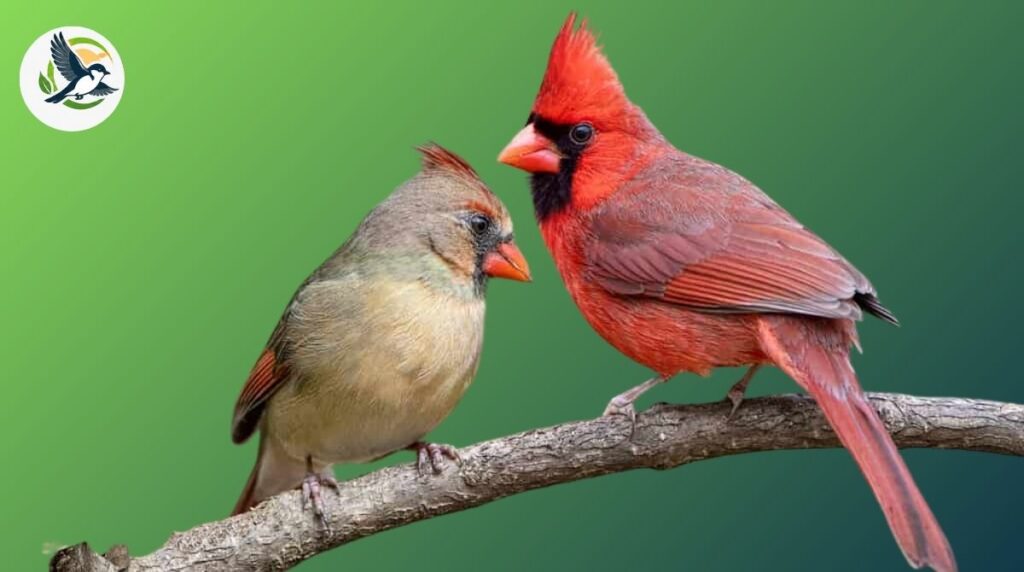
The Northern Cardinal stands out with its vibrant red plumage and iconic crest. These birds thrive in varied habitats, often visiting backyard feeders, where their striking colors make them a favorite. Interestingly, Northern Cardinals don’t migrate; they are a year-round presence, bringing warmth and color even in the harshest winters.
Blue Jays
Known for their intelligence and complex social behavior, Blue Jays are both captivating and clever. These birds are excellent mimics; they can imitate the calls of hawks, supposedly to deter potential threats. Look for them in mixed woodlands, as they often gather in family groups, creating a flurry of activity and chatter.
American Goldfinch
With their lively yellow feathers, American Goldfinches add a splash of sunshine all year long. They have a unique approach to winter survival, sometimes losing their bright plumage and switching to a more subdued color. Their cheerful twittering calls often betray their presence in gardens and fields.
Downy Woodpecker
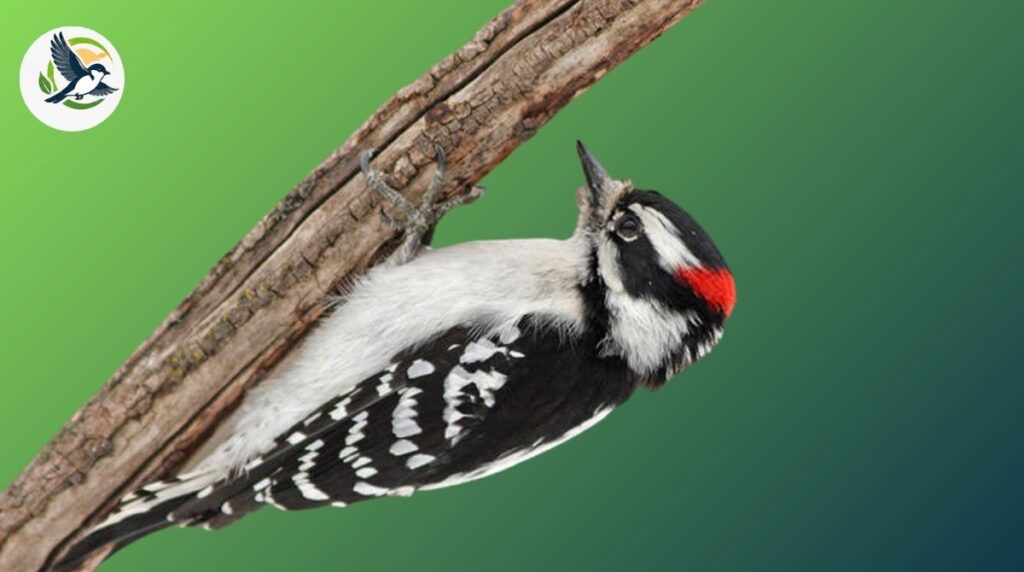
The Downy Woodpecker, often mistaken for its larger relative, is a small but mighty forager. These woodpeckers can be found pecking on tree trunks and branches, often probing for insects hidden beneath the bark. Their distinct black-and-white patterns are a highlight for birdwatchers.
Read more: Fat Birds: 10 Heaviest Bird Species in the World
Mourning Dove
Graceful and gentle, the Mourning Dove is often spotted in open fields or perched on quiet branches. Known for their soft, mournful coos, these doves are a symbol of peace. As adaptable feeders, you can often find them scavenging seeds on the ground.
Red-winged Blackbird
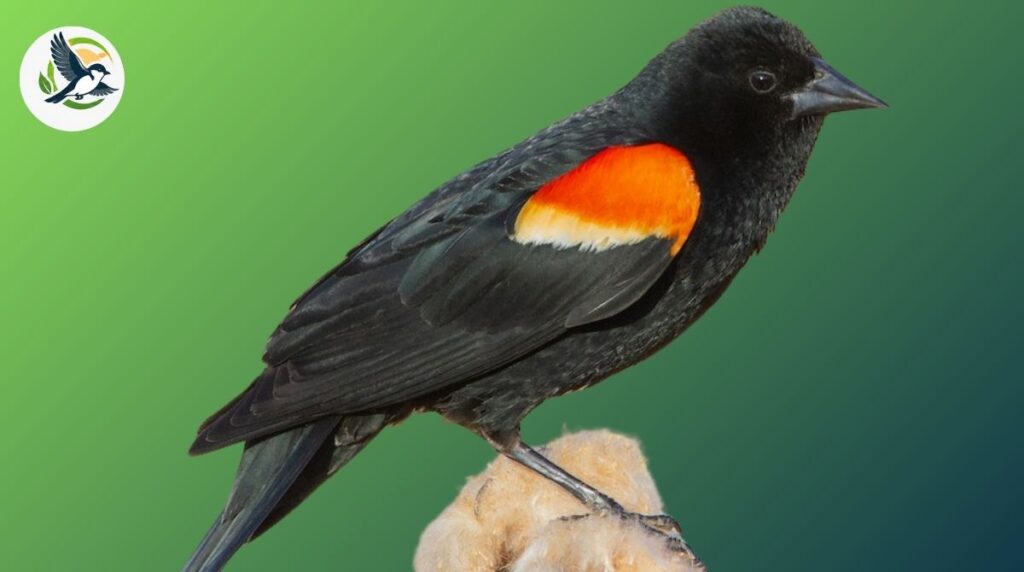
Easily recognizable by their glossy black feathers and stunning red-and-yellow shoulder patches, Red-winged Blackbirds make their presence known in wetlands and marshes. Their bold trills and energetic displays during mating season add a dynamic element to the landscape, marking their territory with flair.
White-breasted Nuthatch
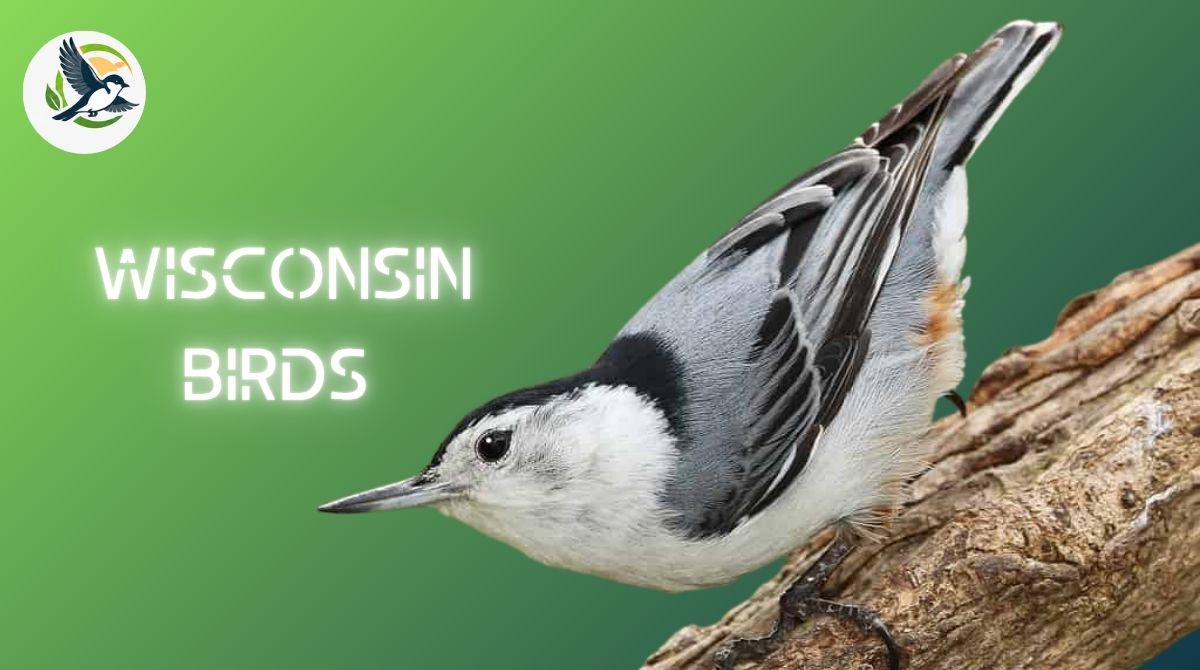
The nimble White-breasted Nuthatch is known for its unique habit of climbing down trees headfirst in search of insects. Their distinctive “yank-yank” call can often be heard echoing through woodlands. This adaptability to varied environments makes them year-round residents.
House Finch
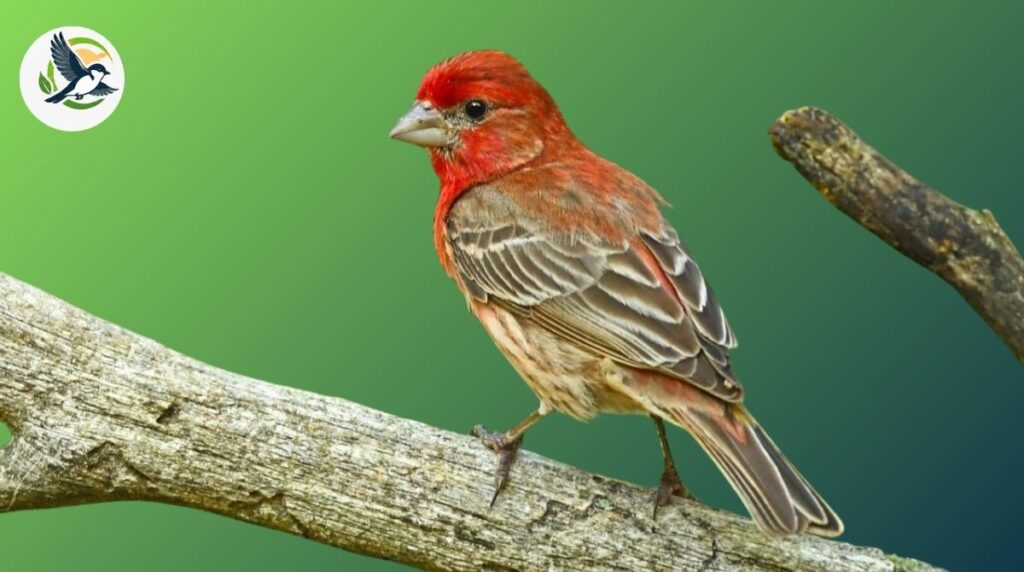
Common yet charming, the House Finch thrives in urban settings, often seen at feeders or in parks. Their varied and melodic songs are a delight to hear, with males boasting bright red plumage in the breeding season. Watching their social behavior can provide endless entertainment.
Each of these birds brings a unique story and vibrant energy to Wisconsin’s ecosystems, encouraging wildlife enthusiasts to engage with their surroundings.
Where to See Birds in Wisconsin
Wisconsin’s diverse habitats create a haven for birdwatchers, offering an array of opportunities to spot unique Wisconsin birds. One of the must-visit locations is the Horicon Marsh, a designated Wetland of International Importance. This expansive refuge teems with life, especially during migration seasons when thousands of waterfowl traverse its waters. You can expect everything from the majestic trumpeter swan to colorful kingfishers, making it a paradise for both seasoned birders and casual observers.
Another gem is the Kettle Moraine State Forest, where rolling hills and dense forests attract a variety of woodland species. The vibrant trails promise sightings of woodland birds like the elusive pileated woodpecker and the melodious yellow-throated warbler.
When Is the Best Time for Birdwatching in Wisconsin?
Early Spring (March to April): As the ice melts and the landscape awakens, Wisconsin birds start their migratory journeys. This is prime time to spot waterfowl in areas like the Horicon Marsh, where hundreds of species congregate. Listen for the distinct calls of red-winged blackbirds announcing their return.
Summer (June to July): The beauty of Wisconsin’s lush landscapes serves as the perfect backdrop for birding. Look for nesting behaviors, especially in the Northwoods and near wetlands. Species like the Baltimore oriole and rose-breasted grosbeak are actively feeding, showcasing vibrant plumage that delights avid birdwatchers.
Autumn (September to October): As the leaves change, Wisconsin becomes a migratory hotspot. Many birds, including hawks and songbirds, travel through regions like the Kettle Moraine State Forest. It’s a chance to witness breathtaking aerial displays as these species journey south, making it a unique experience for both novice and experienced birdwatchers.
Tips for Identifying Wisconsin Birds
Observe the Habitat: Different Wisconsin birds thrive in various environments. Understanding ecosystems, from wetlands to forests, can lead you to specific species. Visit diverse areas like the Kettle Moraine State Forest for woodland birds or the Horicon Marsh for waterfowl.
Utilize Bird Guides: Equip yourself with regional field guides or bird identification apps. These resources often include photos, calls, and seasonal migration patterns specific to Wisconsin birds. Make it a fun personal challenge to spot highlighted species during your outings.
Check Seasonal Activity: Timing is crucial. Many birds migrate through Wisconsin during spring and fall. Keep a calendar of migration months and plan birdwatching sessions accordingly. This way, you can witness the astonishing transformations of local bird populations each season.
Join Local Birding Groups: Engaging with Wisconsin birdwatching communities can enhance your skills and expand your knowledge. Local enthusiasts possess invaluable tips and can lead you to lesser-known hotspots. Plus, the camaraderie of sharing sightings fosters an appreciation for these feathered inhabitants.
Final Words
In conclusion, Wisconsin is home to a diverse array of birds that can be spotted. From the cheerful American Robin to the striking Red-tailed Hawk, these Wisconsin birds add vibrancy to our landscapes.
Observing these common species not only enhances your appreciation for local wildlife but also encourages a connection with nature. Whether you’re a seasoned birdwatcher or a curious newcomer, there are endless opportunities to observe and learn. So grab your binoculars and head outside; there’s a whole world of birds waiting for you to discover!
FAQs
What birds stay year-round in Wisconsin?
In Wisconsin, several bird species stick around throughout the year. Common year-round residents include the Northern Cardinal, American Robin, and Blue Jay. These birds adapt well to the colder months, often finding food in backyard feeders or foraging for berries and seeds.
What are some common birds in Wisconsin?
Wisconsin is home to a diverse range of birds, making it a great place for birdwatching enthusiasts. Here are some common species you might encounter:
1. American
2. Northern Cardinal
3. Blue Jay
4. Chickadee
5. Red-tailed Hawk
How many species of birds are in Wisconsin?
Wisconsin hosts over 400 bird species, making it a rich area for birdwatching enthusiasts. The variety includes migratory birds, waterfowl, songbirds, and raptors, reflecting diverse habitats from forests to wetlands.