Fat Birds: 10 Heaviest Bird Species in the World
Many people associate birds with grace and lightness, but did you know that some of them are surprisingly hefty? In this article, we’ll explore the fascinating world of fat birds, detailing the ten heaviest species that defy the typical image of our feathered friends.
Understanding these massive avians not only broadens our appreciation for nature’s diversity but also highlights the role of weight dynamics in survival and adaptation. By the end, you’ll have plenty of intriguing facts to share and a newfound respect for these remarkable creatures.
Why Are Some Birds So Heavy?
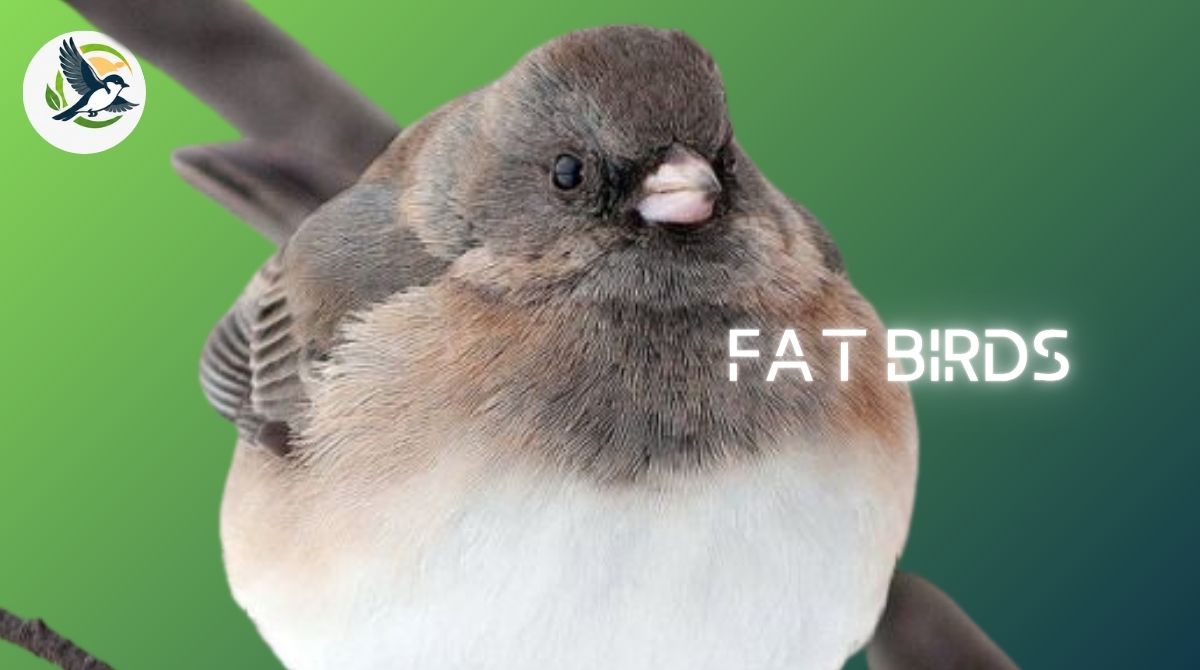
Fat birds often spark curiosity, igniting questions about their lifestyle and survival strategies. Unlike their leaner counterparts, these hefty avian creatures have adapted remarkably to their environments, allowing them to thrive in ways that demand both respect and fascination. For instance, the extra weight serves as insulation during cold months, helping them maintain body heat and resist the frigid chill of their habitats.
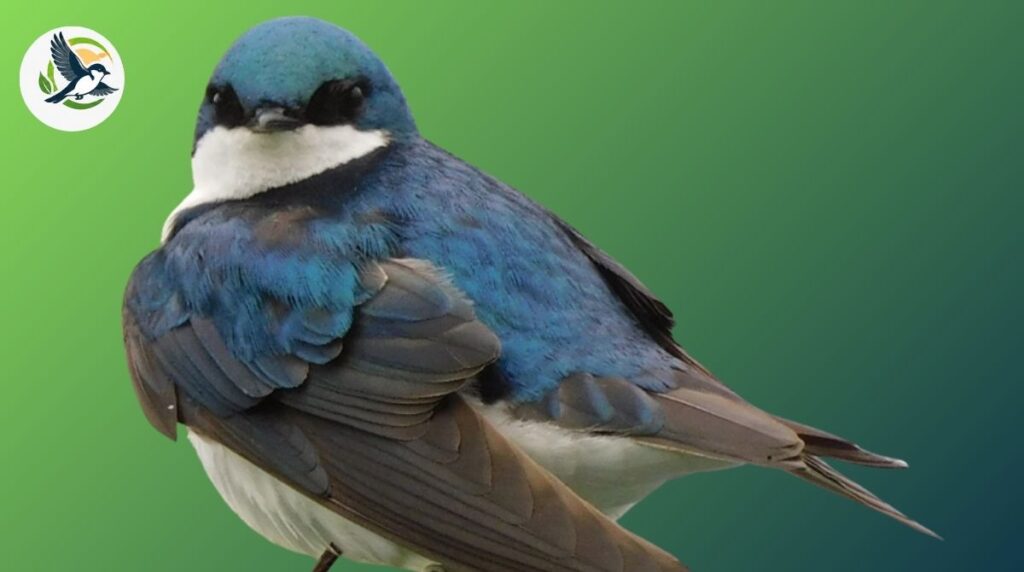
Moreover, fat storage acts as a vital energy reserve, essential for endurance during migratory journeys. Birds like the famous puffin showcase how these adaptations aren’t merely about appearance; they play a crucial role in ensuring survival against harsh weather and food scarcity.
Top 10 Heaviest Bird Species in the World
- Ostrich
- Somali Ostrich
- Southern Cassowary
- Emu
- Emperor Penguin
- Greater Rhea
- Lesser Rhea
- Wild Turkey
- Mute Swan
- Kori Bustard
Ostrich
The world’s largest bird, the ostrich, can weigh up to 350 pounds. Its iconic long legs may be slender, but its robust body is a testament to evolution, allowing it to run at speeds of up to 45 miles per hour across the African plains.
Somali Ostrich
A distinct subspecies, the Somali ostrich stands out not only for its size but also for its unique feather coloring. With a striking appearance that blends brown and gray, this flightless bird is an impressive sight against the arid landscapes of Somalia.
Southern Cassowary
Often dubbed the “gentle giant,” the southern cassowary can reach up to 130 pounds. Its vividly colored neck and helmet-like casques are not just for show; these features help the bird to navigate its dense rainforest habitat.
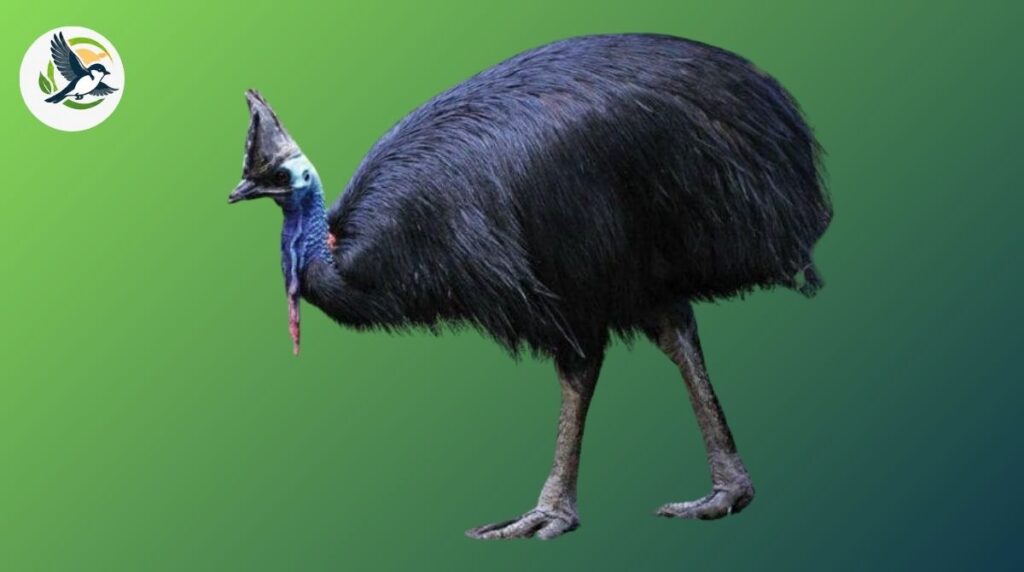
Emu
Known for their goofy demeanor, emus can weigh around 120 pounds and reach up to six feet tall. Their soft, shaggy feathers allow them to blend into the Australian landscape while they run and hop with surprising agility.
Emperor Penguin
The iconic emperor penguin, the heaviest of all penguin species, can weigh over 90 pounds. With their remarkable ability to endure harsh Antarctic winters, they showcase incredible parental care, with males incubating eggs in brutal conditions.
Greater Rhea
Standing at nearly five feet tall, the greater rhea is the largest of its kind, exhibiting an interesting mix of placid and curious behavior. Unlike their ostrich relatives, these South American birds are known for their communal parenting style.
Lesser Rhea
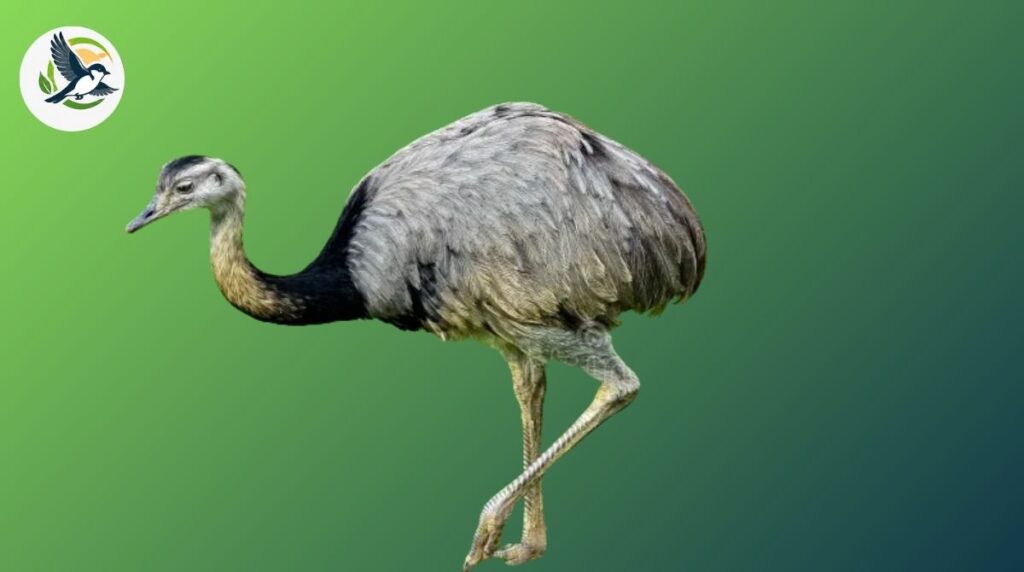
Smaller but equally charming, the lesser rhea weighs about half as much as its greater counterpart, yet still boasts a significant presence in the grasslands of Argentina and Chile. Their long necks and fluffy appearance make them a delightful sight for bird watchers.
Read more: White Birds: 15 Stunning Species You Need to Know
Wild Turkey
The wild turkey, a native bird of North America, is a fascinating mix of size and agility, weighing up to 25 pounds. Their complex social behavior and impressive mating displays, including the iconic fan of feathers, make them cultural icons.
Mute Swan
Elegance in bulk, the mute swan can weigh up to 30 pounds, showcasing an unmatched beauty with sweeping necks and pristine feathers. They are often seen gliding gracefully on tranquil waters, yet can be surprisingly fierce when protecting their young.

Kori Bustard
This remarkable avian, recognized as the heaviest flying bird, can tip the scales at over 40 pounds. Found in the savannas of Africa, the kori bustard not only impresses with its size but also with its intricate mating dances that demonstrate a unique blend of grace and grandeur.
Which Fat Bird Is the Largest?
When it comes to fat birds, the wandering albatross takes the crown as the largest. With an impressive wingspan up to 12 feet, this magnificent bird not only showcases nature’s grandeur but also highlights the marvels of adaptation. Their robust bodies, designed for long journeys at sea, can weigh up to 30 pounds, making them a spectacle in the avian world.
Unlike other birds, their size and weight serve a purpose; the wandering albatross’s hefty frame allows it to glide for hours without flapping its wings, conserving energy on its lengthy flights.
Threats Facing Large and Heavy Bird Species
Urbanization is encroaching on habitats, leading to the fragmentation of ecosystems where fat birds traditionally thrive. As cities expand, these large avian species lose crucial nesting sites and foraging grounds, pushing them to adapt in ways that often threaten their survival.
Climate change poses a significant risk, altering migration patterns and food availability for heavy bird species. As temperatures rise and weather patterns become unpredictable, these birds struggle to find suitable breeding conditions and stable food sources, which can lead to population declines.
-Additionally, invasive species create fierce competition and predation pressures. Large birds that rely on specific diets or habitats may find themselves outmatched by more adaptable invaders, exacerbating their vulnerability.
Lastly, human activities like hunting and habitat destruction continue to increase the dangers for these magnificent creatures. With every loss of a fat bird, we lose a piece of biodiversity that plays an essential role in maintaining ecological balance. Addressing these threats requires concerted conservation efforts to safeguard their future.
Interesting Facts About Fat Birds
Fat birds, like the lovable and plump American Robin, possess a fascinating biology that allows them to store energy in the form of fat — a crucial survival mechanism during harsh winters. This survival strategy thrives even when food sources are scarce, showcasing an impressive adaptation to their environments.
Did you know that the richly hued and round-bellied Puffin can carry multiple fish in its beak at once? This fat bird’s ability to grasp several fish simultaneously demonstrates not just their eating prowess but also its critical role in marine ecosystems by controlling fish populations.
In urban settings, fat birds often have a higher survival rate than their leaner counterparts. They’re more resilient against predators and environmental stresses, leading to intriguing birds like the Wood Pigeon becoming common sights in city parks. This adaptability illustrates the unexpected benefits of being a little more round!
Final Words
In conclusion, exploring the ten heaviest bird species in the world reveals a fascinating diversity within the avian realm. From the majestic ostrich to the massive emu, these “fat birds” showcase the incredible adaptations that allow them to thrive in their unique environments. Their sizes might be daunting, but they play vital roles in their ecosystems, reminding us of the importance of biodiversity.
As we learn more about these incredible creatures, let’s also commit to their conservation. Discovering the world of “fat birds” can inspire a deeper appreciation for wildlife, so take a moment to learn more about these remarkable species.
FAQs
Which species of bird is the heaviest?
The heaviest bird species in the world is the common ostrich (*Struthio camelus*). These remarkable flightless birds can weigh between 220 and 350 pounds, making them not only the heaviest birds but also the largest birds.
Which bird has the most fat?
The bird with the most fat is often the eider duck, particularly the common eider. These ducks are known for their thick layer of blubber, which helps them survive in cold environments
Which bird has the heaviest?
The heaviest bird is the ostrich. Native to Africa, these magnificent creatures can weigh between 220 and 350 pounds, making them the largest and heaviest birds on the planet.