Types of Finches: 10 Beautiful Finch Species and Their Names
Did you know that finches come in over 200 species, each showcasing unique colors and patterns? We’ll explore types of finches that not only captivate with their beauty but also play essential roles in ecosystems.
Whether you’re an avid birdwatcher or just curious about nature, learning more about these fascinating birds will enrich your appreciation for wildlife. Get ready to discover 10 stunning finch species and learn their names.
What Are the Different Types of Finches?
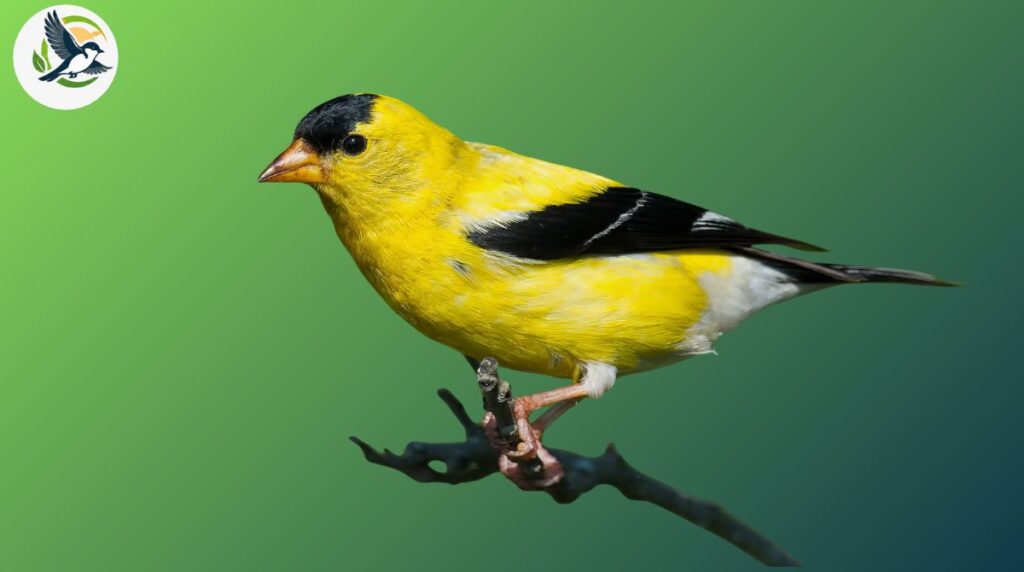
Among the types of finches, the American Goldfinch stands out for its vibrant yellow plumage and distinctive song. Often seen flitting about in gardens and meadows, this bird’s diet primarily consists of seeds, particularly from thistles. Their acrobatic feeding style, hanging upside down to reach seeds, makes them a delightful sight for birdwatchers.
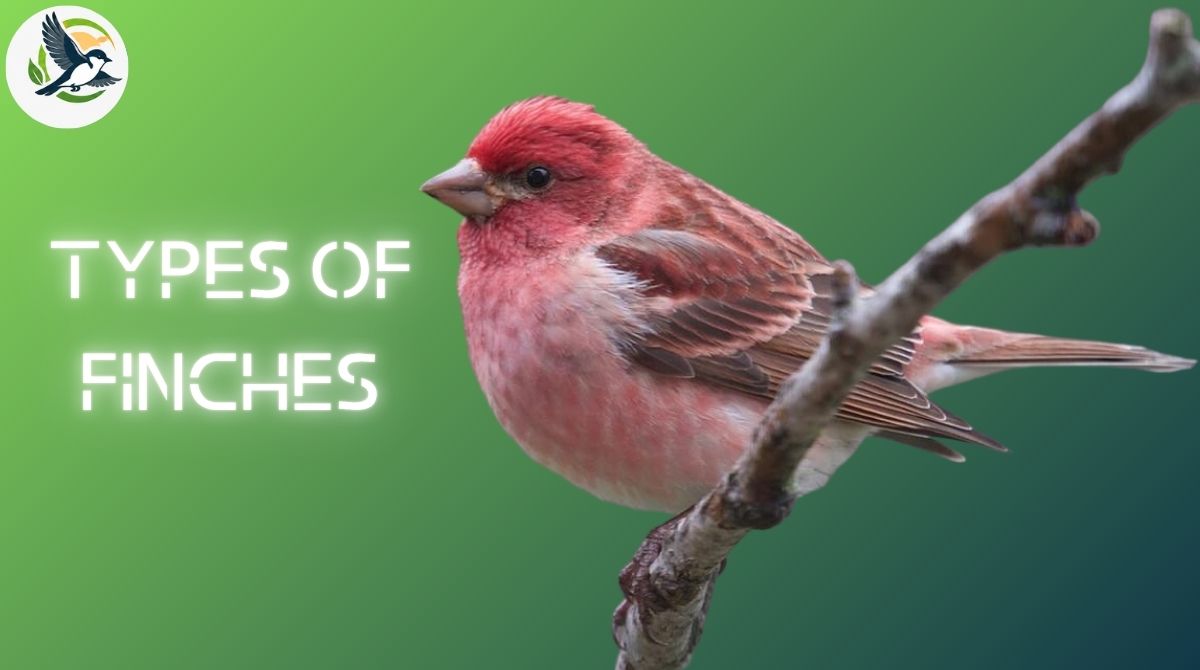
Another fascinating member of the finch family is the House Finch, which has adapted remarkably well to urban environments. With their bodies and cheerful chirps, they are often found nesting in ledges and eaves of buildings. Unlike many of their counterparts, House Finches exhibit significant color variation, with males showcasing hues ranging from bright red to yellow, depending on their diet and local habitat.
10 Popular Finch Species and Their Names
Below is the list of 10 finch species.
- House Finch
- American Goldfinch
- Purple Finch
- Zebra Finch
- Gouldian Finch
- Society Finch
- European Greenfinch
- Common Chaffinch
- Lesser Goldfinch
- Red Crossbill
House Finch
This adaptable bird thrives in urban areas, often seen flitting around gardens and feeding stations. A striking feature is its melodic song, which adds a touch of cheer to any neighborhood.
American Goldfinch
With its vibrant yellow plumage and cheerful twittering, the American Goldfinch stands out in meadows and fields. Notably, it is one of the few birds that undergoes a complete molt after the breeding season, changing into a more subdued olive-brown color in winter.
Purple Finch
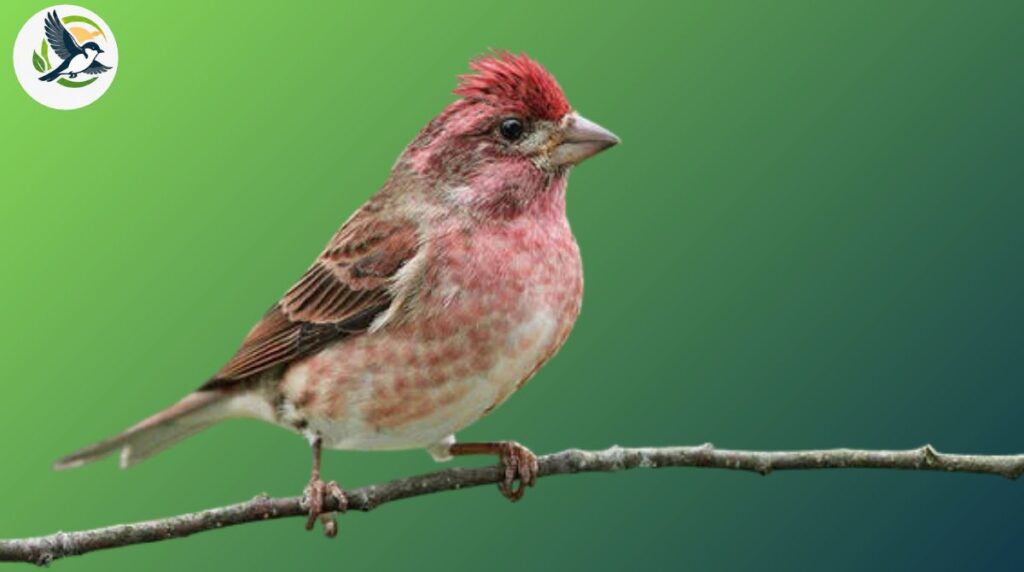
This species is marked by its rich, raspberry-hued plumage in males, while females showcase streaked brown feathers. Their preference for coniferous forests makes them a fascinating study in adaptation to varied habitats.
Zebra Finch
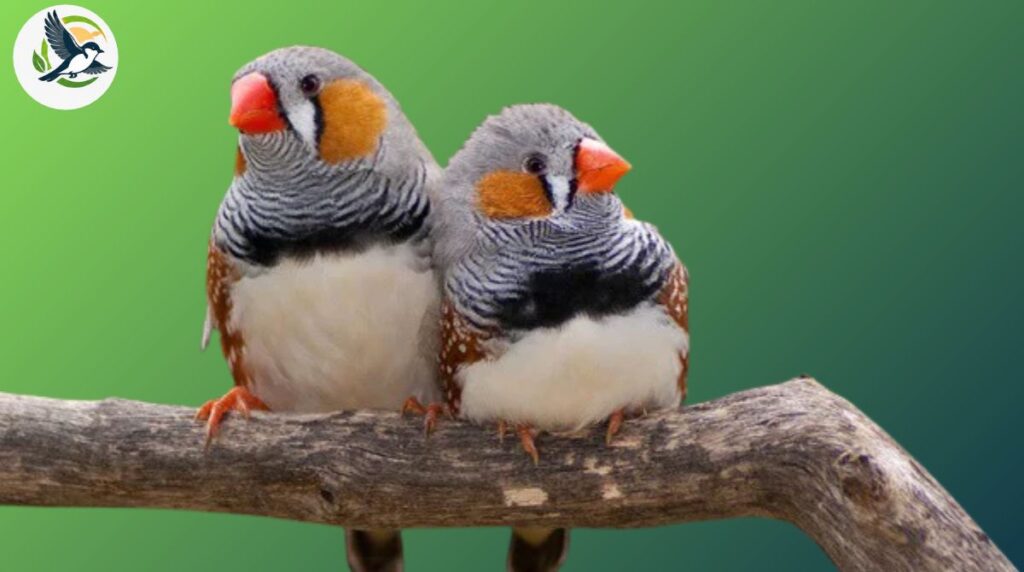
A true darling of aviculture, the Zebra Finch is known for its striking black and white stripes. Their cheerful song and social nature make them popular pets, igniting joy in birdwatching communities worldwide.
Also read more: Exotic Birds: 10 Stunning Species From Around the World
Gouldian Finch
Hailing from Australia, these finches are renowned for their vibrant and varied colors. Their specific habitat requirements and social behavior raise intriguing questions about conservation efforts and their future in the wild.
Society Finch
A domesticated form of the Java Sparrow, the Society Finch is valued for its affectionate behavior. They often form strong pair bonds, making them endearing companions for bird enthusiasts.
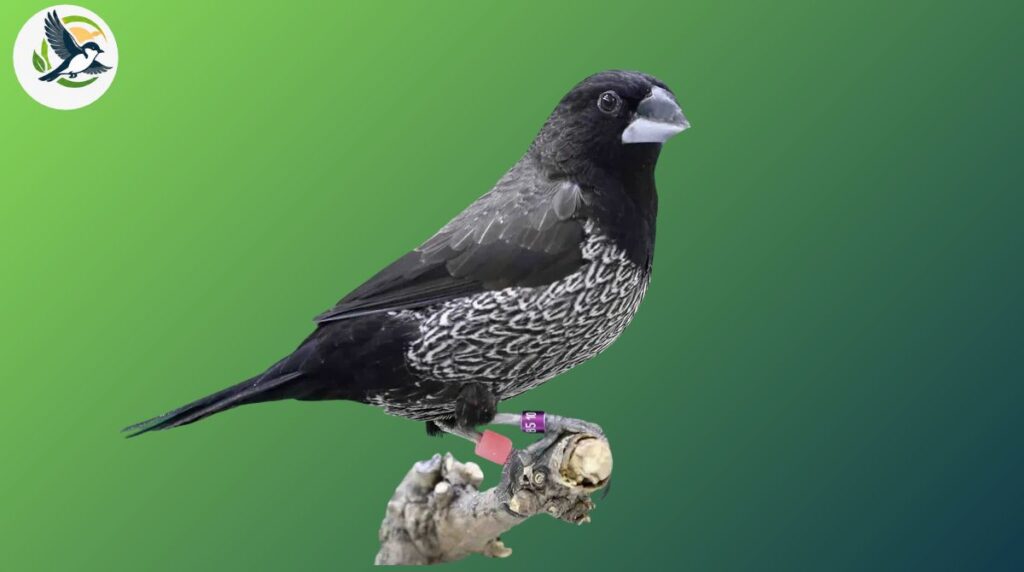
European Greenfinch
This olive-green beauty is often found in parks and gardens across Europe. Its robust song adds a melodious backdrop to summer days, while its boldness allows it to thrive in various environments.
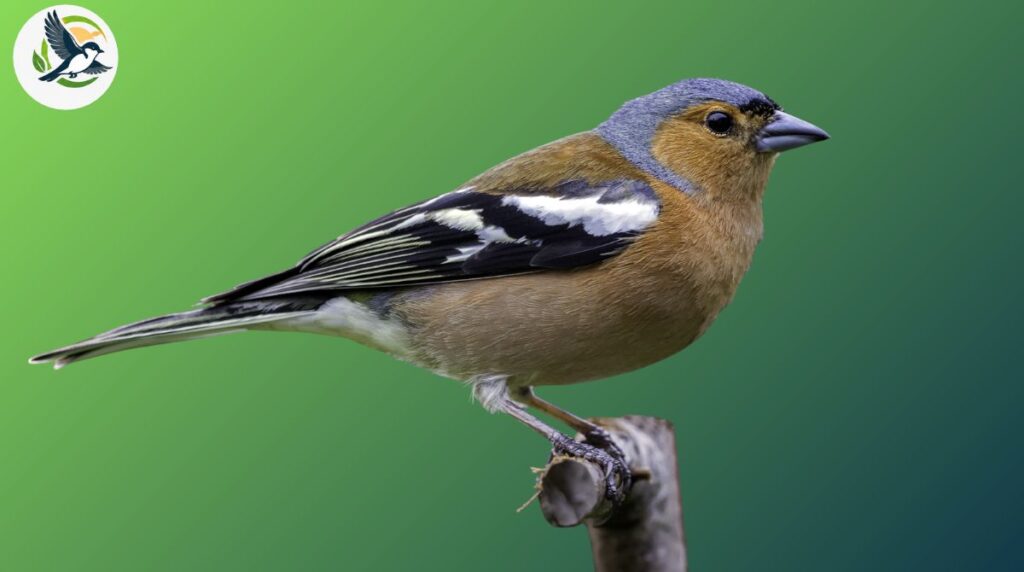
Common Chaffinch
Distinguished by its varied song and vibrant colors, the Common Chaffinch is a familiar sight throughout Europe. Males often engage in elaborate displays to attract mates, showcasing their energetic spirit.
Lesser Goldfinch
This diminutive finch captivates with its contrasting plumage. Regional variations highlight its adaptability across North and Central America, from the arid Southwest to lush coastal areas.
Red Crossbill
Unique in its specialized bill shape, the Red Crossbill is adept at extracting seeds from pine cones. This finch’s nomadic lifestyle underscores the connection between habitat availability and bird distribution, an area ripe for further research.
Colorful Types of Finches to Know
Among the fascinating finch bird types, one standout is the Lesser Goldfinch. This vibrant bird, often found across the western United States, flaunts striking plumage, making it a visual delight for birdwatchers. Its cheerful song adds an auditory layer to the experience, highlighting the joy of observing this lively type of finch starting with li.
Another remarkable option is the House Finch, a versatile finch species that has adapted to urban environments. With their robust bodies and colorful plumage, ranging from soft browns to vivid reds, these birds offer a glimpse of nature.
Small Finch Species and How to Identify Them
One of the most charming finch species found in North America is the Lincoln’s Sparrow. This little finch bird is often overlooked due to its subtle coloration, blending earthy browns and soft grays that mimic its grassland habitat. Unlike more vibrant types of finches, Lincoln’s Sparrow boasts streaked markings that provide excellent camouflage, making it a challenge to spot.
Another fascinating member of the types of wild finches is the Lesser Goldfinch, which can be easily identified by its bold yellow underparts and contrasting black cap. This type of finch, often seen flitting through gardens and urban areas, exhibits a lively personality that captures the essence of springtime. Observing the striking differences in behaviors and habitats among these finch species gives keen birdwatchers a deeper appreciation for the adaptability and diversity of the North American finch community.
Where Do Different Finch Species Live
Across the globe, a stunning array of species types inhabit their unique habitats. For example, the Lincoln’s sparrow, a charming finch type, thrives in dense grasses and wetlands across North America, particularly during migration. In contrast, the goldfinch, one of the most recognizable types of wild finches, prefers open fields and gardens, favoring thistle and sunflower seeds. As you delve into the different finch species, you’ll discover that habitat preferences range widely, from bustling cities to tranquil forests.
In the realm of North American finches, the house finch demonstrates remarkable adaptability, often nesting near human dwellings. Meanwhile, the purple finch seeks out coniferous woodland, showcasing the importance of habitat specificity among finch species.
Final Words
In short, the world of finches is both diverse and captivating, showcasing an array of beautiful species that have unique characteristics and habitats. From the striking colors of the Goldfinch to the elegant form of the Zebra Finch, these small birds not only delight birdwatchers but also play critical roles in their ecosystems.
Understanding the different types of finches helps us appreciate the intricate web of nature and the importance of preserving their environments. Whether you’re an avid birder or simply an admirer of wildlife, take the time to explore these remarkable birds and their habitats. Start your journey today by observing these stunning finches in your local area.
FAQs
What’s the Most Common Finch?
The most common finch is likely the House Finch. Native to the western United States, it has expanded its range across North America. These birds are easily recognizable by their warm, reddish plumage in males, while females sport a more muted, streaked appearance.
How do I identify a Finch?
The most common finch is likely the House Finch. Native to the western United States, it has expanded its range across North America. These birds are easily recognizable by their warm, reddish plumage in males, while females sport a more muted, streaked brown appearance.
What is a Finch Bird Called?
Finches belong to the family Fringillidae and include a variety of species. Some well-known types are the House Finch, Goldfinch, and Zebra Finch. Each has distinct characteristics, such as different colors and songs, making them popular among birdwatchers.