Scavenger Birds: Top 10 Incredible Species That Nature Relies On
Scavenger birds play an unseen but crucial role in our ecosystems, often unnoticed while they tirelessly clean up nature’s leftovers. These incredible species not only maintain balance but also help prevent the spread of diseases.
In this article, we’ll explore the top ten scavenger birds that contribute significantly to environmental health and learn why their importance should not be underestimated. Prepare to be amazed by the adaptations and unique behaviors that make these birds indispensable to our planet.
What Are Scavenger Birds and How Do They Survive?
Scavenger birds, such as vultures and carrion crows, play a crucial role in maintaining ecological balance. These remarkable avians thrive by consuming the remains of dead animals, effectively cleaning up the environment and preventing the spread of disease. Their keen eyesight, capable of spotting carrion from great heights, sets them apart in the avian world. Some species can even smell decay, allowing them to locate meals that other creatures might miss.
Survival tactics for scavenger birds are fascinating. They have developed strong digestive systems that can process harmful bacteria and toxins found in decomposing flesh, which would be lethal to many other animals.
Adaptations That Help Scavenger Birds Find Carrion
Scavenger birds possess remarkable adaptations that make them masters of finding carrion hidden within their environments. With keen eyesight that allows them to spot potential meals from miles away, these birds can often detect a dying animal or carcass before smaller, less perceptive creatures even get a whiff. Their high-flying nature gives them a unique advantage; while soaring in the sky, they can scan vast stretches of land for signs of movement or the telltale congregation of other scavengers signaling a feast below.
Equally fascinating is the acute sense of smell found in certain species, such as vultures. Unlike many other birds that eat dead animals, these feathered cleaners can sniff out decomposing flesh from great distances. Their bodies are built for efficiency, with strong, broad wings for long-distance gliding and powerful beaks designed to tear through tough hide and sinew.
Top 10 Scavenger Birds Found Around the World
Below is the top 10 scavenger birds found around the world.
- Turkey Vulture
- Black Vulture
- Griffon Vulture
- Egyptian Vulture
- Andean Condor
- California Condor
- Marabou Stork
- Greater Yellow-Headed Vulture
- King Vulture
- Bearded Vulture (Lammergeier)
Turkey Vulture
Found across the Americas, the Turkey Vulture relies on its keen sense of smell, a rarity among birds, to locate carrion. With a wingspan that can reach up to six feet, they are a striking sight soaring effortlessly on thermal updrafts.
Black Vulture
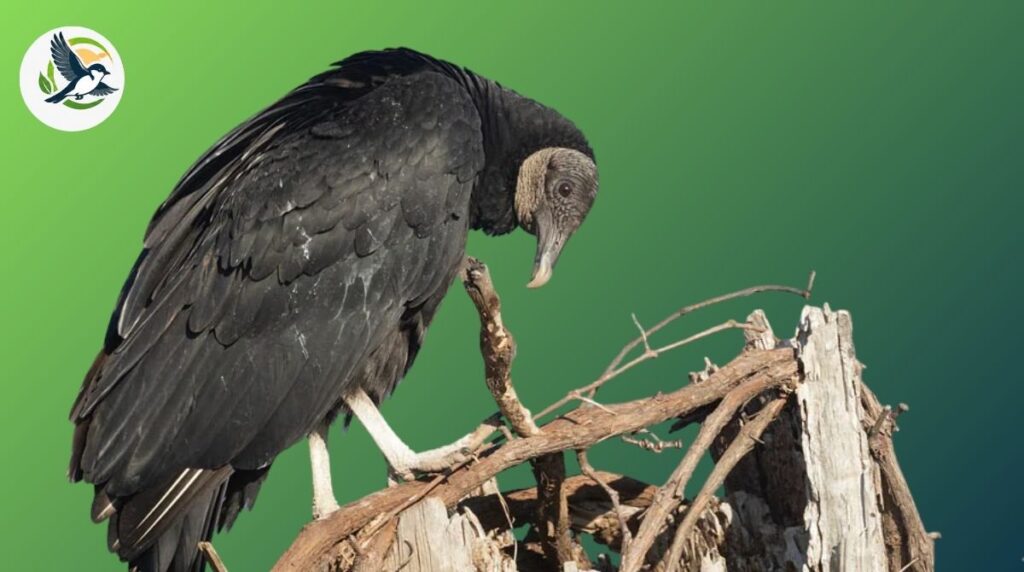
Predominantly found in the southern U.S., the Black Vulture is often seen alongside its Turkey cousin. Unlike the Turkey Vulture, it depends more on keen eyesight than smell, showcasing the diverse adaptations scavengers employ for survival.
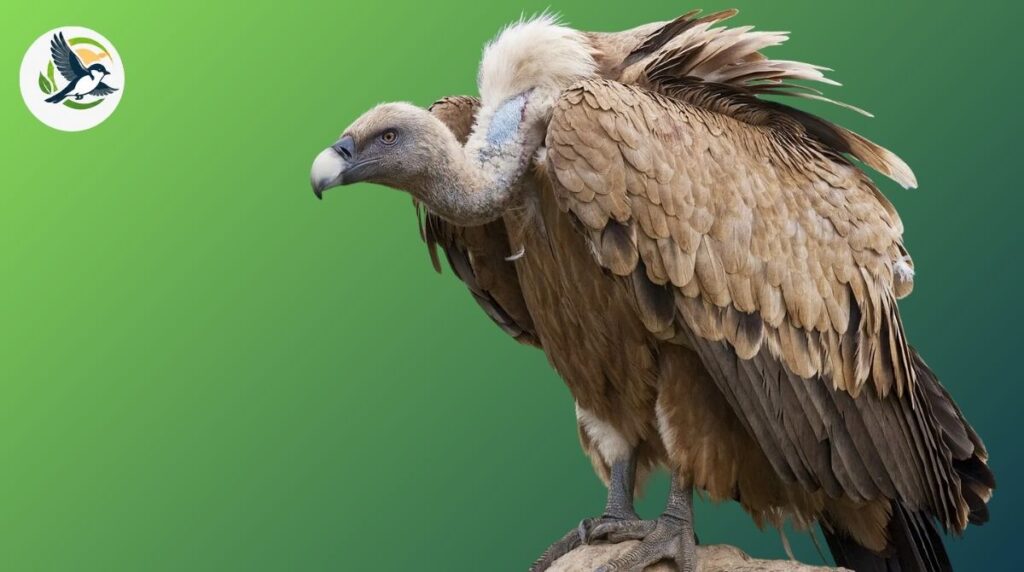
Griffon Vulture
This majestic bird roams the cliffs of Europe and parts of Central Asia. Known for their impressive wingspan of nearly ten feet, Griffon Vultures are social creatures, often nesting in colonies that highlight their cooperative behavior.
Egyptian Vulture
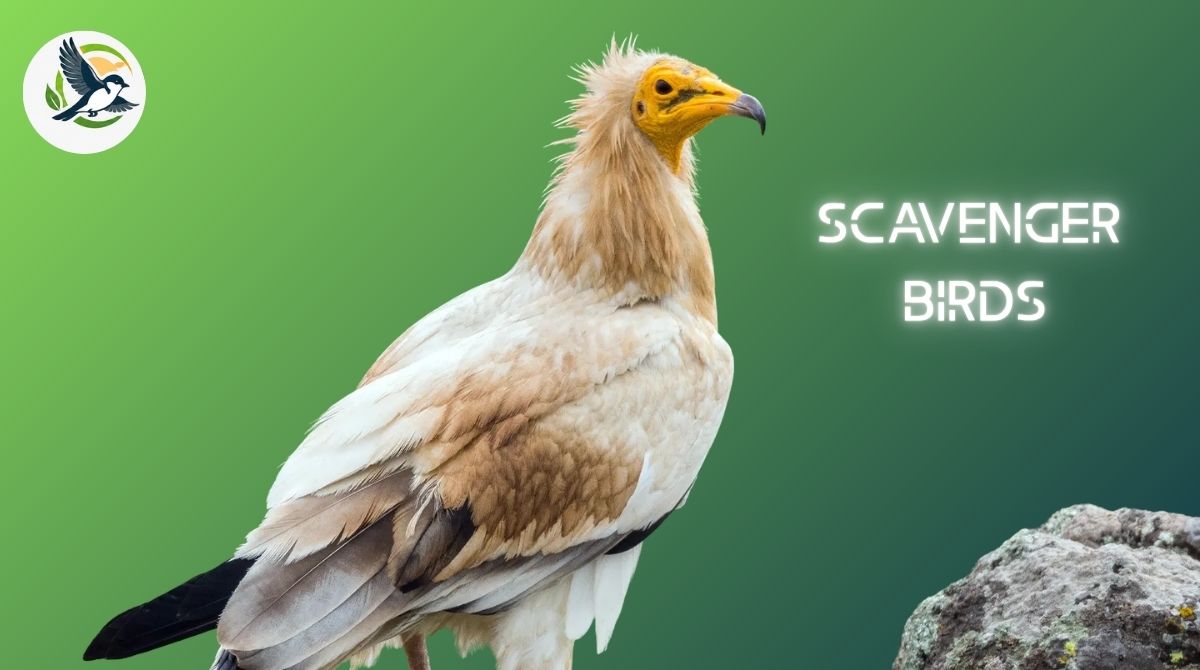
Distinguished by its striking yellow face, the Egyptian Vulture’s intelligence sets it apart from its scavenger peers. This vulture uses tools, such as stones, to break open eggs, showcasing a level of problem-solving that astounds ornithologists.
Read more: Birds That Fly at Night: Top 10 Amazing Species Active After Dark
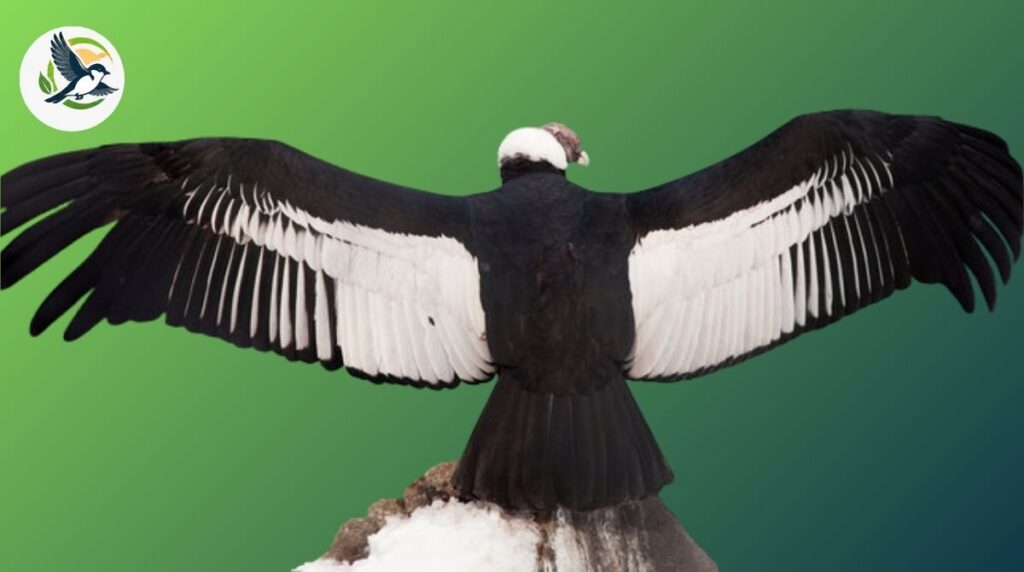
Andean Condor
Soaring over the Andes mountains, this iconic bird is one of the world’s largest flying birds. With an impressive wingspan of over ten feet, the Andean Condor embodies strength and grace, playing a vital role in its ecosystem as a scavenger of high-altitude carrion.
California Condor
Once nearing extinction, the California Condor has made a remarkable comeback due to dedicated conservation efforts. These highly social birds can live over 60 years, and they rely on large territories to forage for carrion, illustrating the importance of habitat preservation.
Marabou Stork
Found in sub-Saharan Africa, the Marabou Stork is an unconventional scavenger. Often seen around urban dumps or in large groups near water, their grotesque appearance belies a critical ecological role, helping to clean up waste and carrion in their environment.
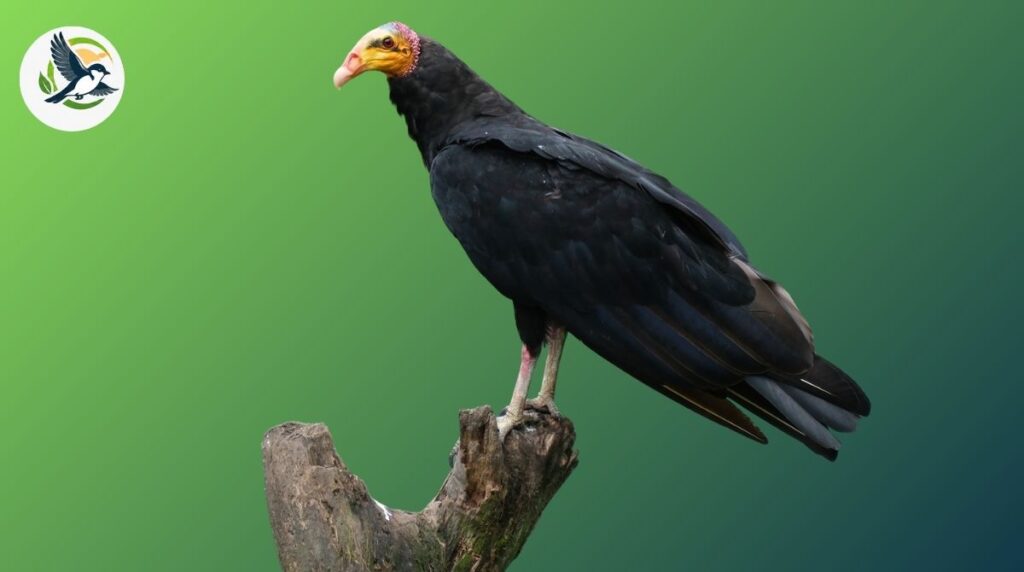
Greater Yellow-Headed Vulture
This lesser-known scavenger is a true rainforest specialist, often found in the tropical forests of South America. The bright yellow head of the Greater Yellow-Headed Vulture is not just for show; it signals health and vitality, ensuring successful mating.
King Vulture
With a vibrant, multi-colored appearance, the King Vulture dominates its territory in Central and South America. Its unique feeding habits make it less competitive with other vultures since it is predominantly on the remains of larger carcasses, showcasing nature’s division of labor among scavengers.
Bearded Vulture (Lammergeier)
Unique among vultures, the Bearded Vulture’s diet consists primarily of bones, which it drops from great heights to access the nutrient-rich marrow within. This remarkable adaptation not only highlights the species’ ingenuity but also emphasizes the role of vultures in recycling nutrients within their ecosystems.
Threats and Conservation Efforts for Scavenger Birds Today
Scavenger birds play a pivotal role in maintaining the health of ecosystems worldwide, yet they face numerous threats that put their survival at risk. Habitat loss, primarily due to urbanization and agricultural expansion, disrupts their natural feeding grounds. Additionally, the use of pesticides and rodenticides adversely impacts scavenger birds, poisoning them or reducing their food supply. These birds, often dubbed nature’s cleanup crew, are crucial for ecosystem cleanup, consuming carcasses that might otherwise spread disease.
Conservation efforts are gaining momentum to protect these vital species. Organizations around the globe are implementing habitat restoration projects and raising awareness about the importance of scavenger birds. Educating farmers about more sustainable practices can help reduce pesticide use, and fostering public appreciation through birdwatching events can ignite interest in preserving these incredible creatures. With a collective effort, we can ensure that scavenger birds continue their essential role in our ecosystems, cleaning up the environment for generations to come.
Final Words
Scavenger birds play an essential role in maintaining the balance of our ecosystems. From the mighty vulture that soars high above to the industrious raven that scavenges through urban landscapes, these incredible species contribute significantly to the health of our environment.
By consuming dead animals, they help prevent the spread of disease and promote nutrient recycling in nature. It’s fascinating to see how these often-overlooked birds have evolved unique adaptations to thrive in their roles as nature’s cleanup crew. Let’s appreciate these remarkable scavengers and support conservation efforts to ensure their survival in the wild.
FAQs
What are 5 Examples of Scavengers?
Scavengers are animals that feed on dead or decaying matter, playing a crucial role in the ecosystem by helping to recycle nutrients. Here are five common examples:
1. Vultures: These large birds are well-known for their scavenging habits. They have excellent eyesight, allowing them to spot carcasses from high in the sky, and their powerful beaks help them tear into tough skin.
2. Hyenas: Often portrayed in popular culture, hyenas are not just scavengers; they also hunt. However, they are skilled at locating and feeding on remains left behind by other predators. Their strong jaws can crush bones, giving them a significant advantage.
3. Raccoons: These adaptable mammals are opportunistic eaters. Raccoons will rummage through trash cans or food in urban settings, making them experts at finding food wherever they go.
4. Crows: Intelligent and social, crows will scavenge on carcasses and human food scraps. They are known to work together to find food, making them quite resourceful.
5. Crabs: Many crab species, particularly those that live on the ocean floor, are scavengers. They feed on dead fish and other organic matter, playing a vital role in cleaning up their marine environment.
These scavengers not only help keep our environment clean but also support the food web by returning nutrients to the ecosystem.
Which Bird is Known as a Scavenger?
When it comes to scavenger birds, vultures are probably the best-known. These remarkable birds have a keen sense of smell, and that helps them spot dead animals from great distances. They play a crucial role in the ecosystem by cleaning up carrion, which helps prevent the spread of disease.
Which Bird is Called a Vulture?
bald head and a strong beak, which help them tear into carcasses. There are two main families of vultures: the Old World vultures, found in Europe, Asia, and Africa, and the New World vultures, found in the Americas. Despite their different locations, both types play a crucial role in the ecosystem by cleaning up dead animals.