Florida Water Birds: 15 Beautiful Species Found Across the Sunshine State
America has 50 states, but the most captivating and gorgeous state, according to bird wildlife, will always be Florida. Florida water birds are a big wow for excited bird watchers as they amaze them with their beauty and grace. More than 200 of the species of birds call Florida their home
Today, we will learn about 10 wonderful birds that rule the lakes and rivers of Florida. We will also learn that what these amazing birds eat and when do these birds come and sit on the crystal clear lakes. Let’s find out!
Fun fact: According to the Florida Fish and Wildlife Conservation Commission (FWC), wildlife viewing alone brings in an estimated $5 billion.
What Are the Top Florida Water Birds to Spot?
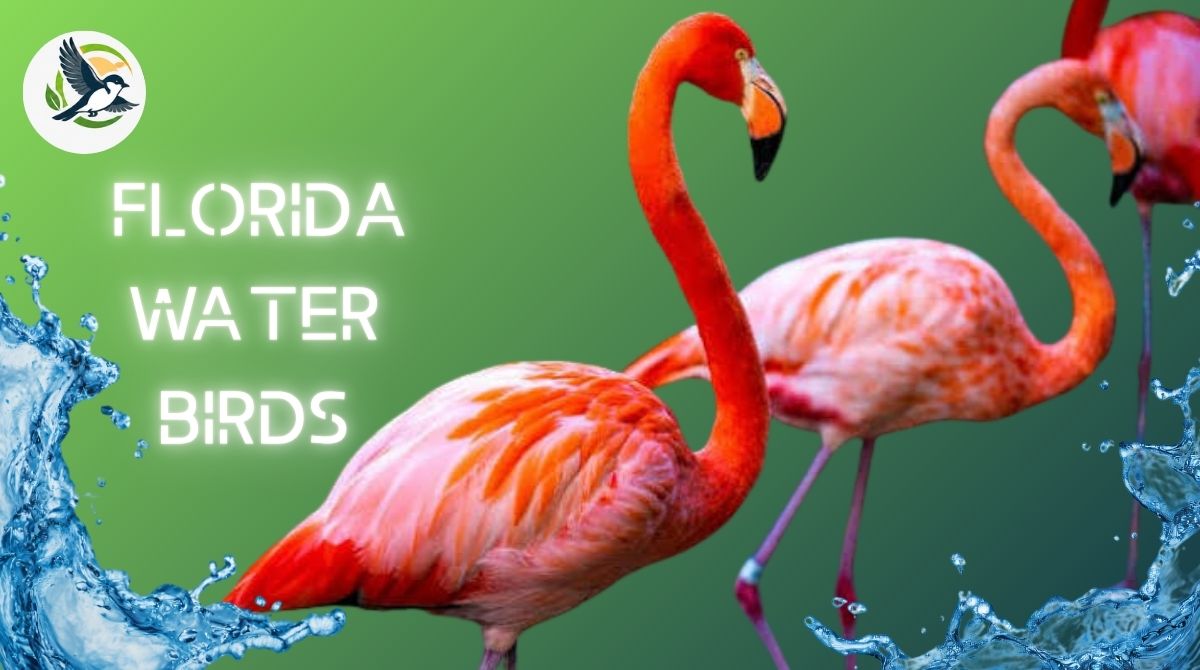
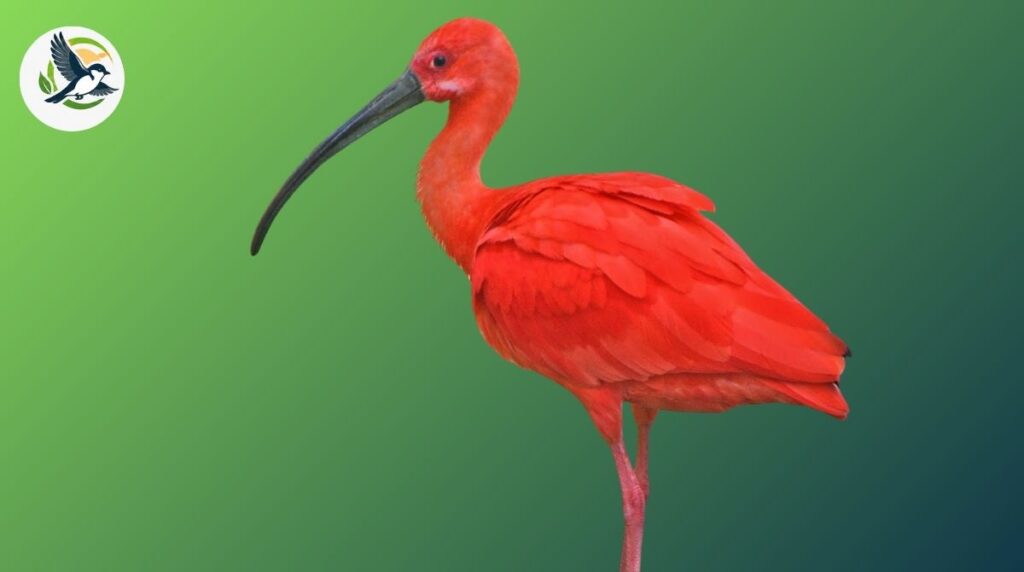
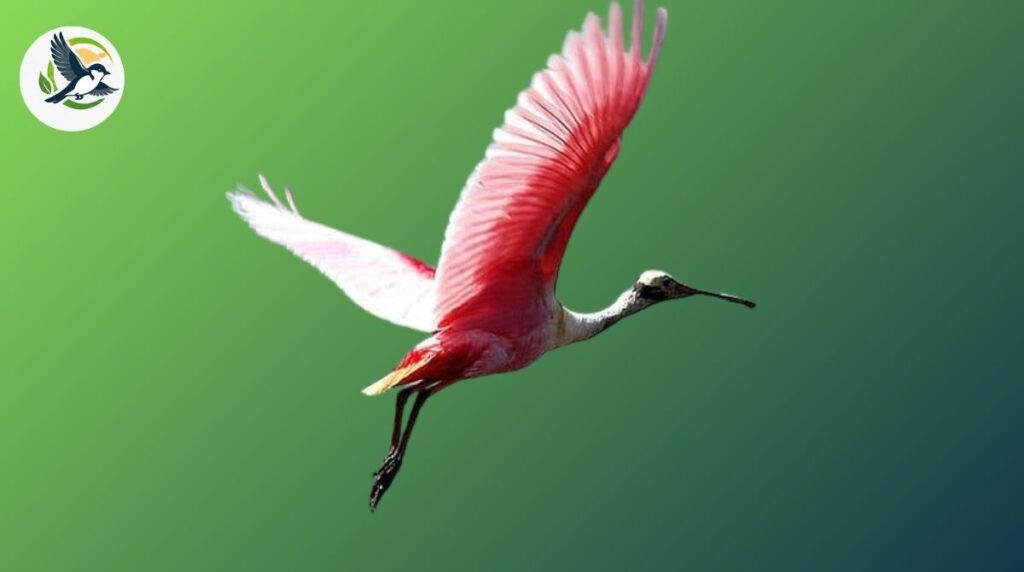
Florida water birds are a delight for both novice birdwatchers and seasoned enthusiasts alike. Among the most striking is the Roseate Spoonbill, famous for its vibrant pink plumage and unique spoon-shaped bill, which it uses to forage for food in shallow waters. Spotting one is like witnessing a piece of art in motion, particularly at sunrise when the light casts a beautiful glow on its feathers.
Another standout is the Great Egret, symbolizing elegance with its long neck and bright white feathers. These majestic birds gracefully wade through both freshwater and coastal wetlands, creating a stunning contrast against the lush greens and blues of their habitats.
Top 15 Florida Water Birds
- Great Blue Heron
- Great Egret
- Snowy Egret
- Roseate Spoonbill
- White Ibis
- Brown Pelican
- Wood Stork
- Anhinga
- Double-crested Cormorant
- Tricolored Heron
- Green Heron
- Black-crowned Night Heron
- Limpkin
- American White Pelican
- Osprey
Great Blue Heron
Towering at almost five feet, this impressive bird is a master fisherman, often seen patiently stalking shallow waters. Its striking blue-gray feathers and long neck make it a standout in Florida’s wetlands.
Great Egret
With its pristine white plumage and slender stature, the Great Egret symbolizes elegance. Often spotted in marshes and estuaries, it wades gracefully as it seeks out fish, amphibians, and crustaceans.
Snowy Egret
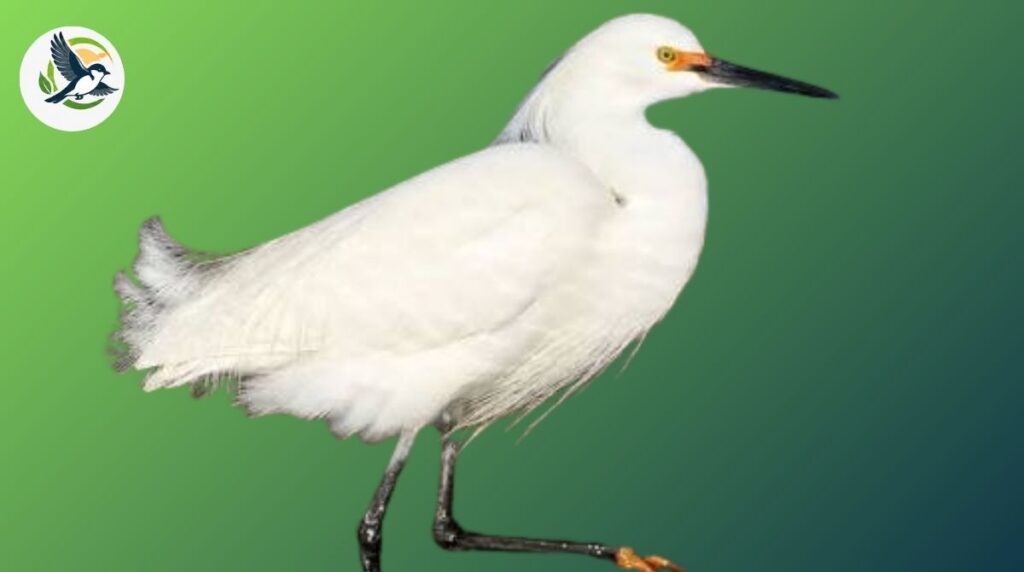
The Snowy Egret, adorned with bright yellow feet, is as charming as it is lively. Known for its acrobatic fishing techniques, this bird has a flair for catching small fish in the blink of an eye.
Roseate Spoonbill
This flamboyant bird, famed for its vibrant pink coloration and spoon-shaped bill, is a cultural icon of Florida swamps. Their nesting sites are often a riot of color, attracting photographers and bird enthusiasts alike.
White Ibis
With their curved bills and striking white feathers, White Ibises are often seen probing the mud for food. They thrive in groups, creating a dynamic spectacle as they forage together.
Brown Pelican
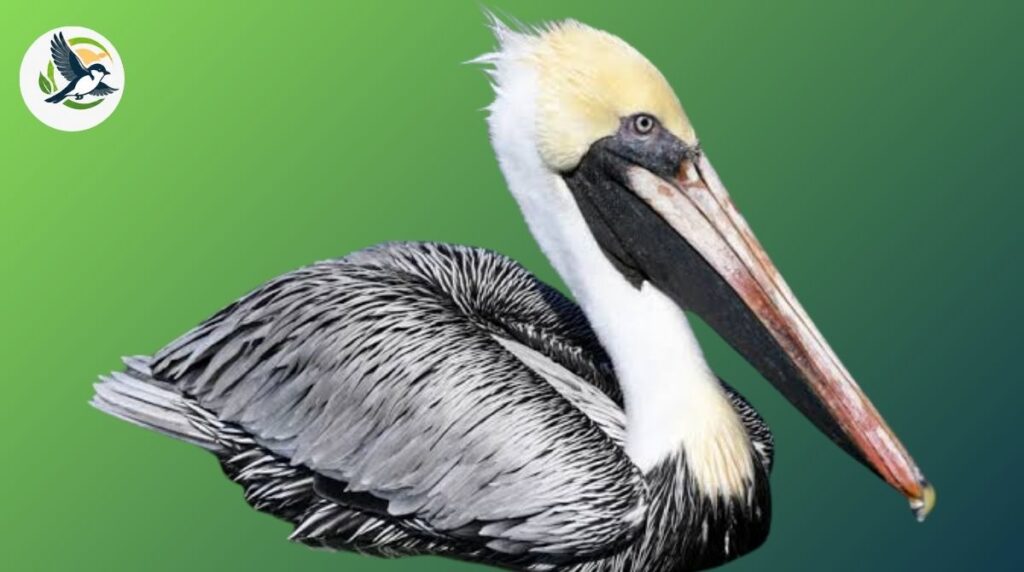
The Brown Pelican is a charismatic ambassador of Florida’s coast, showcasing its impressive diving skills while hunting for fish. Often spotted gliding above the water, their distinct silhouette is a familiar sight along the shoreline.
Wood Stork
The Wood Stork, with its long, slender legs and bald head, showcases a unique flavor of the wetlands. They play a crucial role in the ecosystem, feeding on fish and helping to maintain balance.
Read more: Wisconsin Birds: 10 Common Species You Can Spot Year-Round
Anhinga
Known as the “water turkey,” the Anhinga has a distinctive silhouette as it dries its wings, spread wide in the sun. A proficient hunter, it dives beneath the surface to capture its prey with remarkable skill.
Double-crested Cormorant
Often mistaken for a duck, these sociable birds have a knack for fishing and can often be seen luxuriating on docks to dry their wings. Their striking black plumage adds a dramatic flair to their aquatic locales.
Tricolored Heron
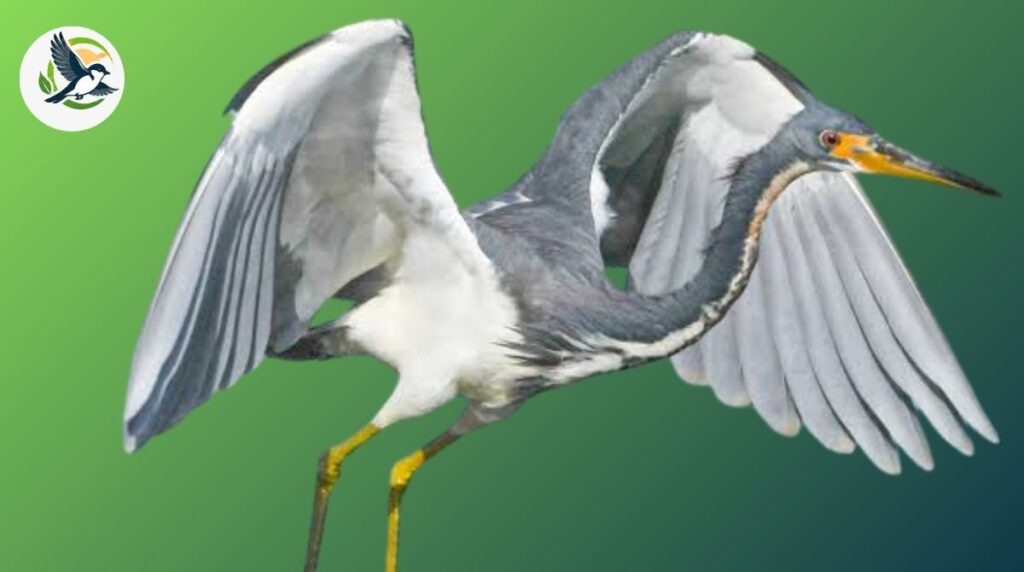
The elegant Tricolored Heron sports a unique combination of colors, showcasing a blue-gray body with white and chestnut accents. Agile and stealthy, they often hunt in the same areas as the Great Egret but with their own distinct technique.
Green Heron
Compact and colorful, the Green Heron is a stealthy predator known for its unique hunting methods, including using bait to lure fish. Their playful approach to feeding makes them a delight to observe.
Black-crowned Night Heron
This nocturnal species possesses striking features and a distinctively dark crown. Seen often in the evenings, they are a reminder of the diverse avian nightlife in Florida’s wetlands.
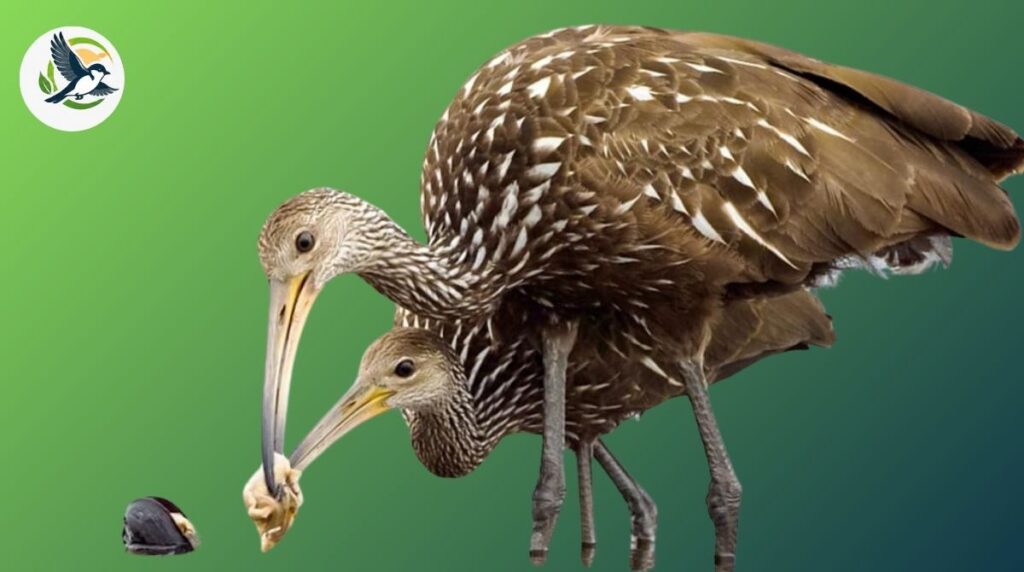
Limpkin
The Limpkin, with its long legs and haunting call, is a wetlands specialist known for feeding on apple snails. Its unique adaptations make it a fascinating subject for both wildlife lovers and researchers.
American White Pelican
These massive birds create a stunning visual as they gracefully soar over lakes and coastlines. Known for their cooperative fishing tactics, they often work in teams to catch fish, highlighting their social nature.
Osprey
A true aerial acrobat, the Osprey is an expert fisherman that can dive into the water at remarkable speeds. Their impressive nests, built high in trees or on platforms, add an architectural element to Florida’s scenic views.
How to Identify Florida Water Birds
When it comes to identifying Florida water birds, the landscape alone is a telling sign. The diverse ecosystems, from salt marshes to freshwater wetlands, provide unique habitats for various species. Start by observing the bird’s habitat; for instance, herons and egrets often grace shorelines, while ospreys can be spotted near coastal regions, frequently with fish in their talons.
Another crucial element is understanding their behavior. Watching how they feed can reveal a lot; for example, the striking Great Blue Heron with its slow, deliberate movements contrasts sharply with the swift agility of the Black Skimmer, which skims the water with its unique bill.
What Do Florida Water Birds Eat?
Fish and Aquatic Life: Florida water birds are adept hunters, often seen gracefully stalking shallow waters. Their diet includes a variety of fish species, small crustaceans, and amphibians. Each bird has its own hunting technique; for instance, herons employ stealth, while pelicans dive spectacularly to catch their prey.
Invertebrates: Many water birds feast on rich benthic communities, targeting snails, worms, and other invertebrates in the wetlands. The American Avocet, with its specialized curved bill, sifts through mud to uncover these hidden delicacies, showcasing how adaptability contributes to foraging success.
Plant Material: Not all is about catching some Florida water birds, like the Black-necked Stilt, which consumes seeds and plant matter. This vegetarian aspect of their diet highlights the intricate balance of the ecosystem. The diversity of their diet not only supports their survival but also their role in maintaining ecological harmony within Florida’s diverse wetland landscapes.
When Is the Best Time to See Florida Water Birds?
Early Mornings (Dawn Patrol): The best time to catch Florida water birds in action is just after dawn. As the sun begins to peek over the horizon, the air cools and the waters calm, creating an ideal environment for birds like herons and egrets to forage. This serene setting offers not only breathtaking views but also increased bird activity as they hunt for breakfast.
Migration Seasons (Fall & Spring): Keep an eye on spring and fall migration periods. Around March and October, thousands of water birds travel through Florida, transforming wetlands into bustling aviaries. You’ll spot migratory species such as plovers and sandpipers, adding a unique flair to your birdwatching experience.
Post-Rains (Fresh Starts): After a rainfall, water levels in marshes and estuaries rise, attracting a variety of species. This is particularly true in late summer and early fall, when temporary pools become hot spots for feeding. The abundance of insects and small fish lured by the rain creates a feeding frenzy for herons, ibises, and other water birds.
Warm Evenings (Golden Hour): Don’t overlook the magic of dusk. As day transitions to night, many Florida water birds engage in social behaviors, such as courtship displays. The golden hour provides a stunning backdrop for photography, showcasing the vivid colors of plumage against a stunning sunset.
Final Words
In conclusion, Florida is a haven for diverse water bird species, each contributing to the rich tapestry of the state’s ecosystem. From the graceful Great Egret to the striking Roseate Spoonbill, these Florida Water Birds offer a glimpse into the beauty of nature. Birdwatchers and nature enthusiasts alike can find immense joy in spotting these magnificent creatures in their natural habitats.
Protecting their environments ensures future generations will continue to appreciate these stunning species. So, grab your binoculars, explore local waterways, and immerse yourself in Florida’s vibrant avian life!
FAQs
What are Florida birds called?
Florida is home to a diverse range of bird species, which often reflect the state’s unique ecosystems. Many birds are often simply referred to by their common names, such as the Florida Scrub-Jay, Roseate Spoonbill, and the American Flamingo
What bird stays underwater in Florida?
In Florida, the bird that stays underwater the longest is the Double-crested Cormorant. This bird is a skilled diver, often hunting for fish and other aquatic prey.
What water birds live in Florida?
Florida is home to a diverse array of water birds due to its unique wetlands and coastal habitats. Common species include the great egret, herons, and ibises, which are often seen wading in marshes and estuaries.