Birds With Long Legs: 10 Stunning Species You Should Know
Imagine a bird that can elegantly stride across wetlands, its long legs allowing it to navigate tricky terrains. Birds with long legs not only possess striking silhouettes but also exhibit unique behaviors that set them apart in the animal kingdom.
This article will introduce you to 10 stunning species that thrive on their impressive legs. As you read, you’ll learn how these birds adapt to their habitats and why they are vital to maintaining ecological balance.
What Are Some Amazing Birds With Long Legs?
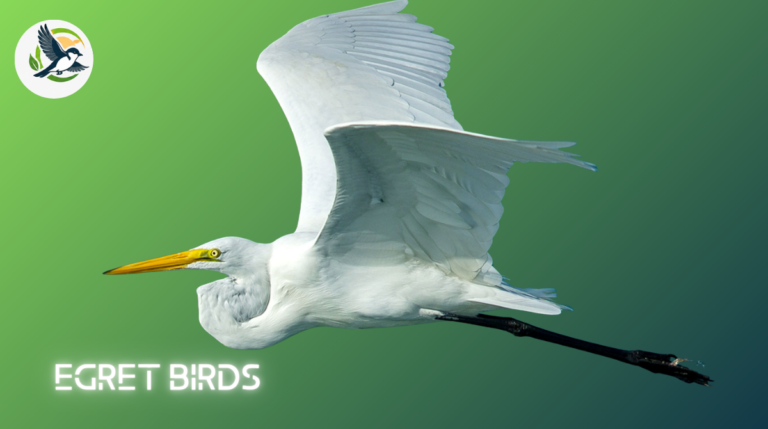
Among the stunning array of birds with long legs, the wading birds often take center stage. The elegant Great Egret gracefully stalks wetlands and marshes, its long legs allowing it to probe the shallows for fish and crustaceans. These birds are not just visually striking; they play a crucial ecological role by helping to control aquatic prey populations, maintaining a balanced ecosystem.
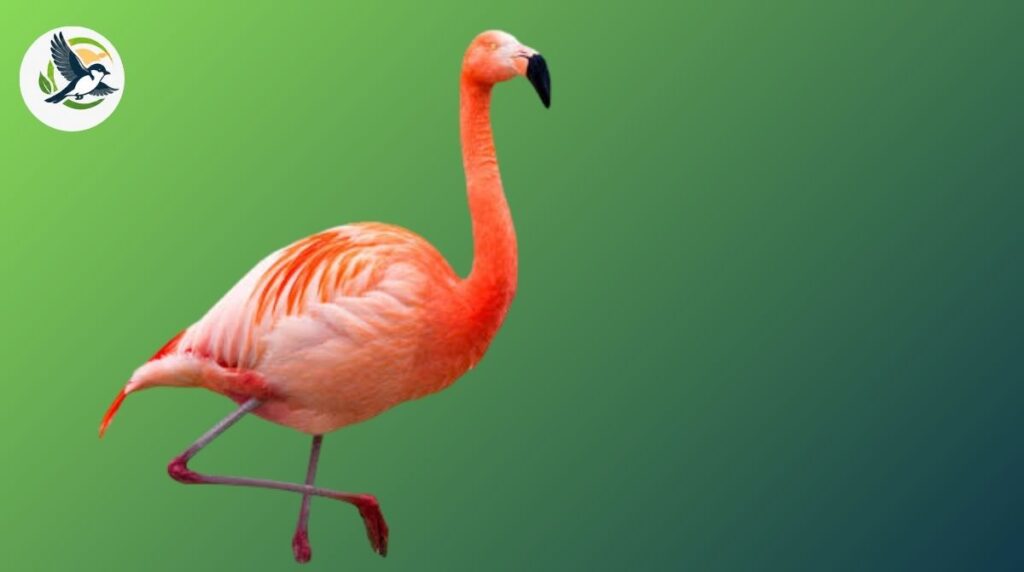
Another fascinating example is the flamingo, known not only for its vibrant coloration but also for its uniquely long legs that enable it to wade into deeper waters in search of algae and small invertebrates. Their feeding technique, which involves stirring up mud and filtering out food, showcases how adaptations like leg length can influence feeding behavior and habitat choice.
Top 10 Stunning Birds With Long Legs You Should Know
- Greater Flamingo
- Goliath Heron
- Great Blue Heron
- Secretary Bird
- Black-Necked Stilt
- Sandhill Crane
- Marabou Stork
- Southern Lapwing
- Common Ostrich
- Jabiru Stork
Greater Flamingo
With its iconic pink plumage and strikingly long legs, the Greater Flamingo stands out as a symbol of elegance. These social birds often gather in large flocks, creating vibrant, swirling patterns in shallow waters as they forage for algae and crustaceans.
Goliath Heron
Towering over its peers, the Goliath Heron is the world’s largest heron, reaching lengths of up to five feet. Its long, sturdy legs provide the perfect perch for catching fish, making it a formidable hunter in African wetlands.
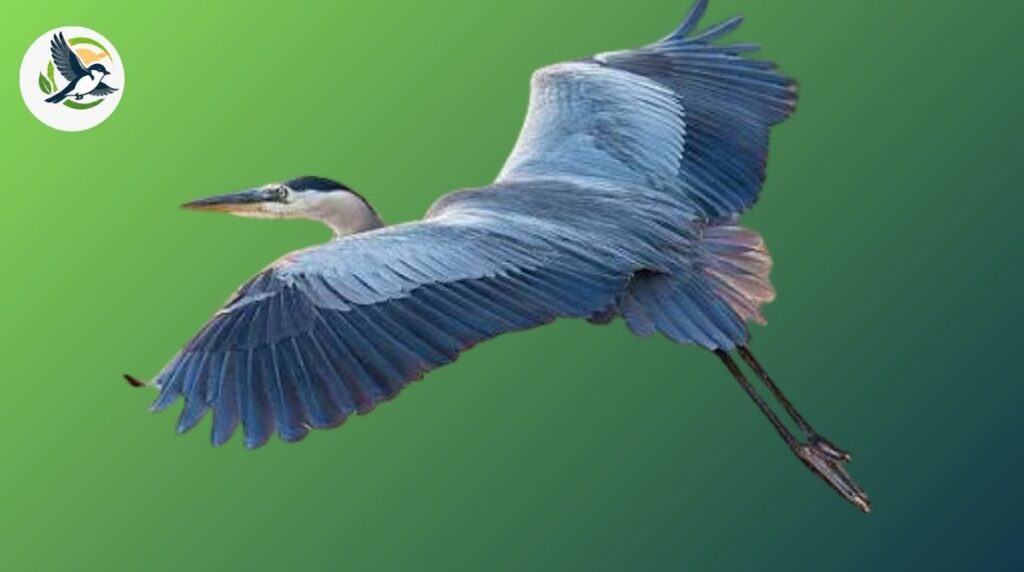
Great Blue Heron
This majestic bird is easily recognizable with its impressive wingspan and long legs that allow it to wade gracefully through shallow waters. Standing still for long periods, the Great Blue Heron epitomizes patience as it silently stalks its prey.
Secretary Bird
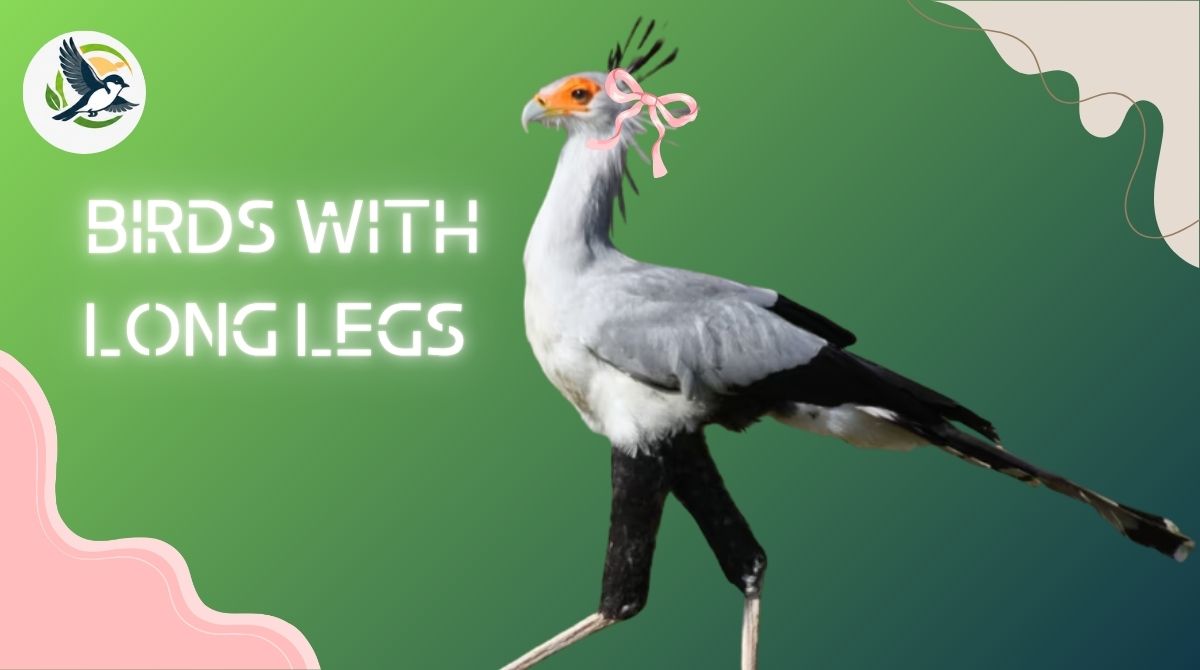
Unique in its long, spindly legs and distinct crest of feathers, the Secretary Bird is a raptor known for its remarkable snake-hunting skills. With a keen sense of vision and speed, it navigates savannas, combining beauty and functionality.
Black-Necked Stilt
These striking black-and-white waders flaunt eye-catching long legs as they traverse wetlands. Their ability to effortlessly skim the water’s surface while searching for insects and small fish adds to their appeal.
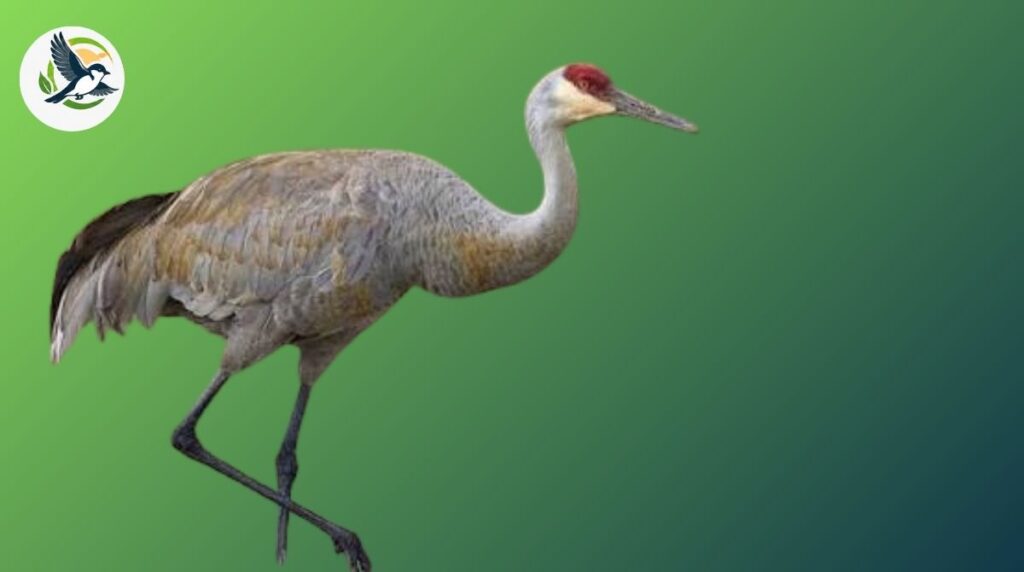
Sandhill Crane
Known for their trumpeting calls, Sandhill Cranes are not only remarkable migrators but also showcase impressive courtship dances, emphasizing the grace lent by their long legs.
Marabou Stork
Often dubbed the “vulture of the stork world,” the Marabou Stork may not be conventionally beautiful, but its long legs and enormous wingspan make it an awe-inspiring sight as it gracefully soars across the African landscape.
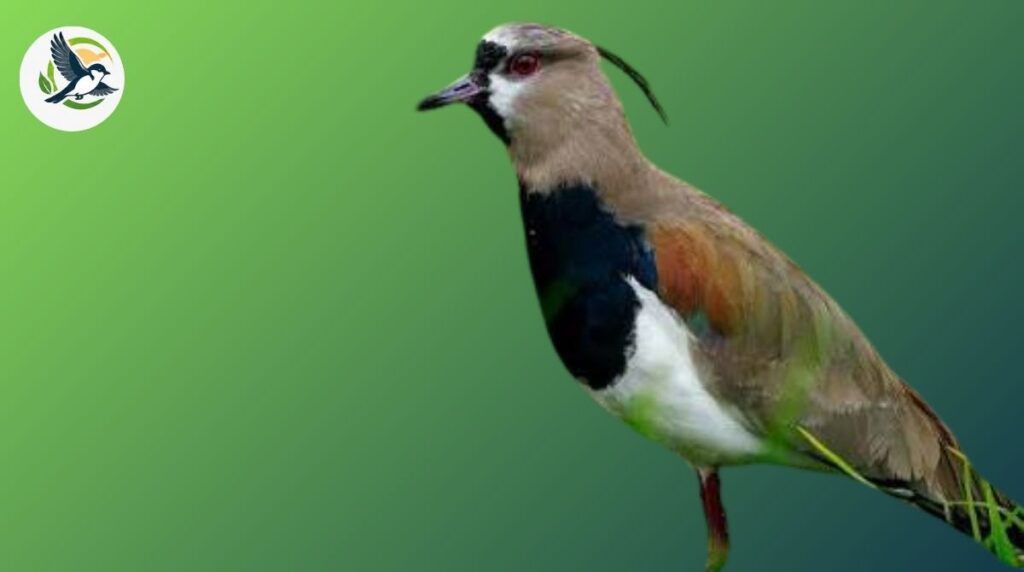
Southern Lapwing
This intercontinental beauty flaunts a striking black-and-white plumage and long legs that complement its playful behavior. Its distinctive calls and bold demeanor make it an engaging presence in the fields and wetlands it inhabits.
Common Ostrich
The largest living bird on Earth, the Common Ostrich, showcases incredibly long legs designed for speed, capable of reaching up to 40 miles per hour. Their powerful legs allow them to cover vast stretches of land in search of food while evading predators.
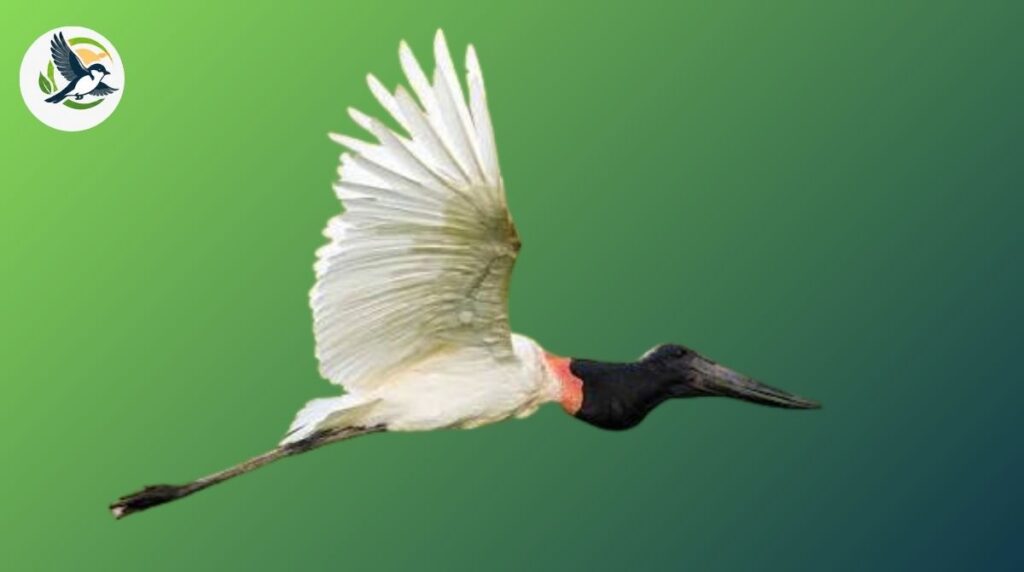
Jabiru Stork
The Jabiru Stork, with its impressive height and long legs, is a marvel in wetland ecosystems. Known for its distinctive black neck and massive beak, this bird plays a vital role in maintaining the balance of its habitat as it hunts for fish and amphibians.
Unique Adaptations of Long-Legged Birds
Elegant Motion
Birds with long legs, like the heron or flamingo, are natural dancers of the wetlands. Their elongated limbs allow for graceful wading, letting them navigate through shallow waters with a balletic poise that blends beauty and functionality. This adaptation not only helps in foraging for food but also serves as an elegant display during courtship rituals — a true showcase of nature’s artistry.
Visual Mastery
These avian marvels have amazing eyesight, crucial for spotting prey from afar. Long legs elevate their bodies above murky waters, granting a panoramic view of their surroundings. This height advantage allows them to observe potential predators and prey alike, making them adept hunters. Their specialized binocular vision fine-tunes their ability to gauge distance, striking with precision.
Read more: Florida Water Birds: 15 Beautiful Species Found Across the Sunshine State
Thermal Benefits
Unique to some long-legged birds like the stork is their ability to regulate body temperature through their limbs. In sweltering climates, these birds can extend their legs into cooler air, helping to dissipate heat and conserve energy. This adaptation showcases their evolutionary ingenuity, as they combine practicality and survival in the often harsh environments they inhabit.
Habitats Where Long-Legged Birds Thrive
Marshes and wetlands are the preferred playgrounds for birds with long legs. Here, the shallow waters create an ideal foraging environment where species like herons and storks can probe for fish, frogs, and crustaceans. These habitats teem with life, providing both food and quiet nesting areas shielded from predators.
Coastal regions also beckon long-legged avians, from egrets to avocets. Tidal flats and sandy beaches offer abundant invertebrates and small fish, making these areas a buffet for these graceful hunters. The intricate dance of ebb and flow not only supports their diet but also encourages unique behaviors, such as the synchronized hunting seen in flocks.
Surprisingly, even urban environments can host these elegant creatures. Parks and green spaces with ponds attract birds like cranes, demonstrating their adaptability. As cities expand, these resilient species carve out niches, reminding us that thriving ecosystems can flourish, even amid concrete and steel.
Why Are Long Legs Important for Birds?
Birds with long legs exhibit a remarkable adaptation that enhances their ecological success in diverse environments. This unique physical trait not only aids in mobility but also plays a crucial role in foraging strategies. Long legs allow these birds to wade into deeper waters, reaching food sources like fish, crustaceans, and aquatic vegetation that shorter-legged species might miss. Imagine the elegance of a heron gracefully stalking its prey; that’s the advantage of those extended limbs in action.
Moreover, birds with long legs often have enhanced visibility in their habitats. With a taller profile, they can spot potential threats from a distance, making escape routes more effective.
Final Words
In conclusion, the world of birds with long legs is indeed fascinating and diverse. From the elegant stork to the striking flamingo, each species offers unique adaptations that help them thrive in its environment. Their long legs not only enhance their beauty but also play crucial roles in foraging and survival. Observing these stunning birds in their natural habitats can be a rewarding experience for any bird enthusiast. So, why not grab your binoculars and explore the wonders of long-legged birds on your next adventure?
FAQs
What are the birds with long legs?
Birds with long legs are fascinating creatures that have adapted to their environments in unique ways. Species like herons, storks, and flamingos are perfect examples. Their long legs allow them to wade through shallow waters, making it easier to hunt for fish, insects, and crustaceans.
What types of birds have long legs?
Birds like herons, flamingos, and egrets are known for their long legs, which help them wade in shallow waters to hunt for food.
Why do some birds have long legs?
Long legs help birds reach food in water and navigate marshy habitats. They can also be beneficial for running and escaping from predators.