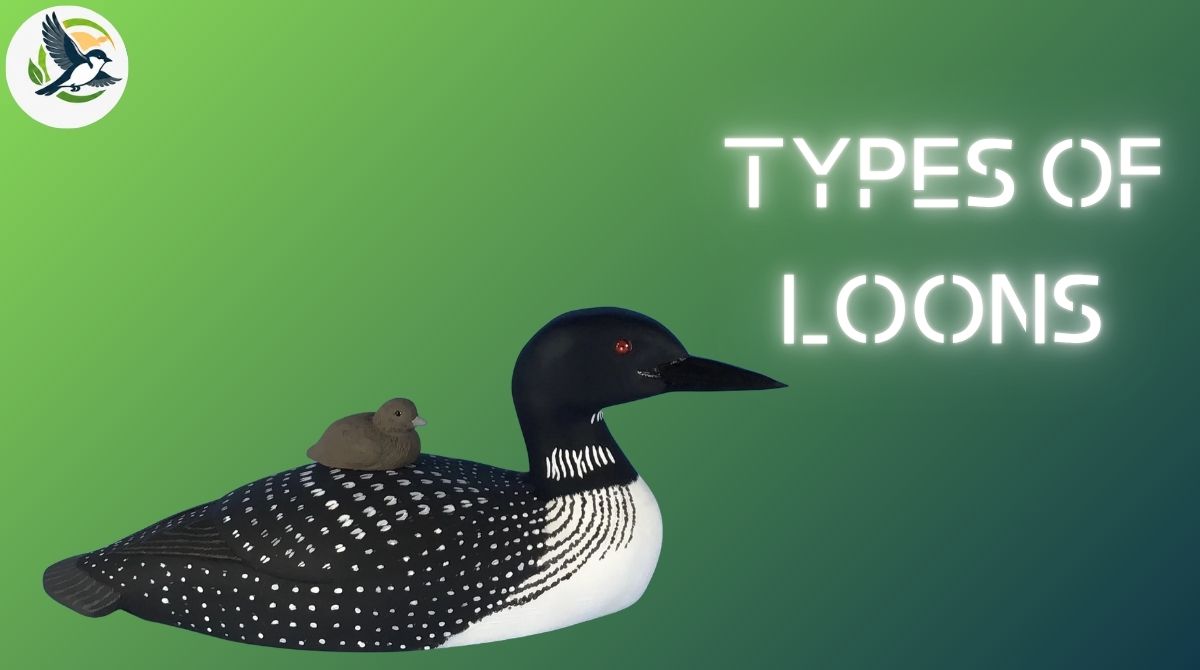
Types of Loons: Discover 7 Stunning Loon Species and Their Names
Did you know seven stunning types of loons grace our lakes and rivers? These striking waterfowl are not only mesmerizing to observe but also play a crucial role in the health of aquatic ecosystems.
Below, we’ll explore each species, highlighting their unique characteristics and names. By the end, you’ll gain a deeper appreciation for these beautiful birds and their significance in nature.
What Are the Most Beautiful Types of Loons?
The Common Loon is perhaps the most recognized among the various types of loons, with its striking black and white plumage contrasted by a hauntingly beautiful call that echoes across northern lakes. Known for their incredible diving capabilities, these loons are adept hunters, snagging fish deep beneath the surface.
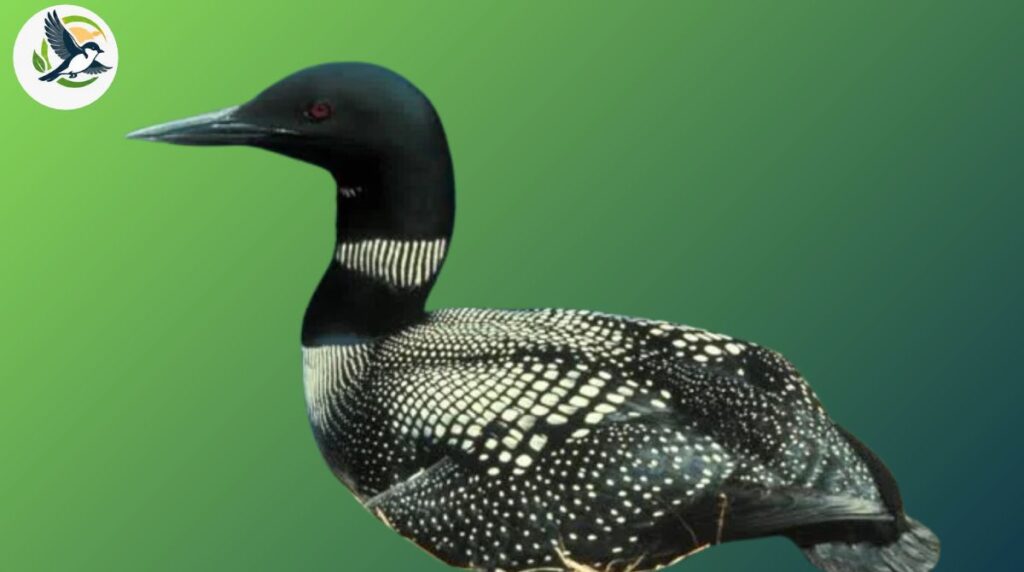
The stark elegance of their markings not only captivates birdwatchers but also serves an important purpose in their aquatic habitat, helping them blend seamlessly with the water’s shadowy depths. Another stunning species is the Pacific Loon, which boasts a more subtle yet equally enchanting appearance with grayish plumage during the non-breeding season.
7 Loon Species You Should Know
Below is the list of 7 loon species.
- Common Loon
- Red-throated Loon
- Arctic Loon
- Pacific Loon
- Yellow-billed Loon
- Black-throated Loon
- White-billed Loon
Common Loon
The Common Loon is not just a striking bird with its iconic black-and-white plumage; it’s also known for its eerie, haunting calls that echo across lakes at dusk. Found in North America, it exhibits remarkable diving capabilities, reaching depths of 200 feet in search of fish. This species is a testament to resilience, often traveling great distances between its breeding and wintering grounds.
Red-throated Loon
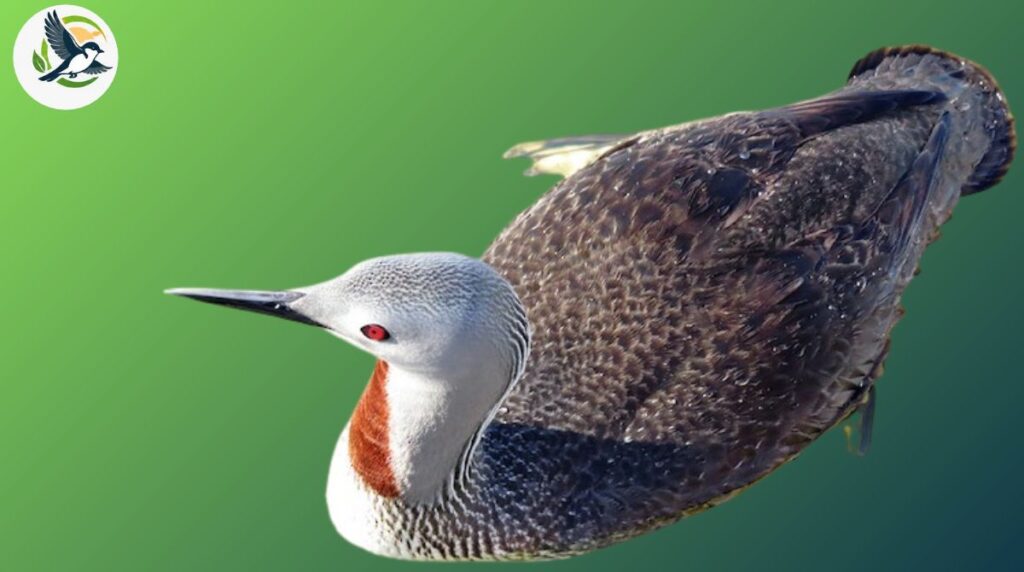
With its distinctive reddish throat patch, the Red-throated Loon is an exquisite sight during the breeding season. Unlike its counterparts, it prefers coastal habitats and is more likely to be found in shallow waters, making it an intriguing subject for marine birdwatchers. Its unique breeding calls vary depending on geographical location, showcasing a fascinating adaptability across different environments.
Arctic Loon
The elusive Arctic Loon is a rare find, primarily residing in the remote waters of the Arctic Circle. This species is especially fascinating due to its stunning changes in plumage, turning from a grayish-brown in summer to a striking black-and-white in winter. Observing this bird can provide insights into the health of Arctic ecosystems, as its presence signals a balanced aquatic environment.
Pacific Loon
Adapting well to both coastal and inland waters, the Pacific Loon boasts head patterns that shift dramatically between seasons. Its ability to thrive in varied habitats makes it a symbol of versatility and resourcefulness. Birders often note its swift, agile diving skills, which can leave viewers in awe as it hunts underwater.
Yellow-billed Loon
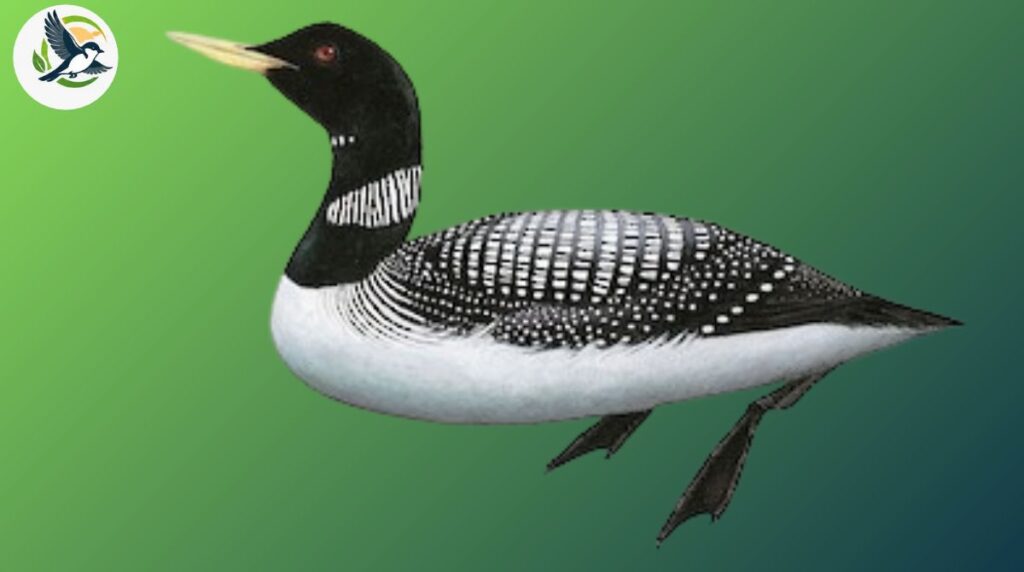
Known for its bright yellow bill, the Yellow-billed Loon stands out in any crowd. Restricted to the Arctic regions of North America, it relies heavily on its breeding habitats for survival. Its distinctive call has been described as a haunting melody, captivating those fortunate enough to witness it in its natural environment.
Black-throated Loon
The Black-throated Loon, primarily found in northern Eurasia, displays a captivating contrast with its dark throat and light body. Its adaptability to different freshwater habitats allows it to thrive in remote locations. Studying this species provides valuable data on climate change effects, as its migration patterns shift with environmental changes.
White-billed Loon
The rarely seen White-billed Loon is a particularly mysterious species, often eluding even the most dedicated birdwatchers. Primarily found in the icy waters of the North Atlantic, this bird is a vital part of its ecosystem, indicating the health of marine life in the frigid regions. Its striking appearance and elusive nature make it a gem for ornithologists and bird enthusiasts alike.
Also read more: Sea Birds: 15 Amazing Seabird Species You Should Know
Where Can You Find These Fascinating Loons
The quest to discover where you can find these fascinating loons often leads explorers to the tranquil lakes and coastal waters of North America. Particularly abundant in northern regions, Common Loons can be spotted in summer near clear, freshwater lakes, where they dive for fish and create their haunting calls. In contrast, those interested in the more elusive Pacific and Arctic Loons might want to travel toward the coasts of Alaska or Canada, especially during migration seasons when these birds become more visible.
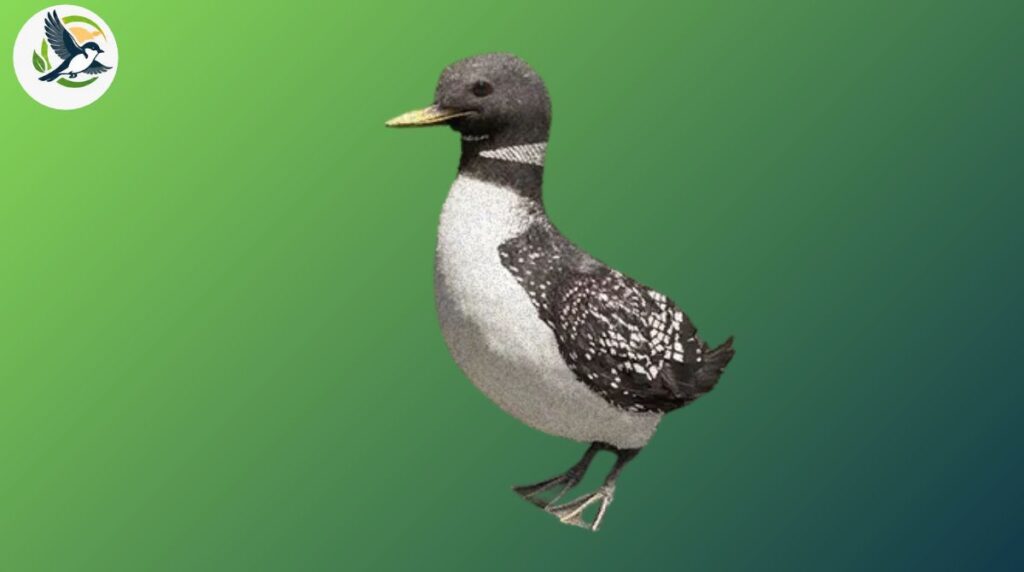
You might be wondering: how many types of loons are there? Across North America, there are five primary species, each adapted to unique habitats. The Great Northern Loon, with its distinctive black and white plumage, is a summer resident in the northern states but migrates to coastal waters for winter.
What Makes Loons So Unique and Remarkable
Loons are fascinating creatures that captivate birdwatchers and nature enthusiasts alike. One of the most striking aspects of loons is their haunting calls, which echo across northern lakes, creating an ethereal atmosphere. These vocalizations serve various purposes, from establishing territory to communicating with mates. Their calls can transport listeners to tranquil, untouched environments, making them feel intimately connected to nature.
When exploring unique characteristics. The Common Loon, for instance, is celebrated for its striking black-and-white plumage and its remarkable diving ability to pursue fish underwater with incredible agility.
Final Words
The fascinating world of loons offers a glimpse into the incredible diversity of avian species. From the striking Common Loon to the lesser-known Red-throated Loon, each of these stunning birds contributes to the rich tapestry of our natural environment.
Their unique behaviors and beautiful plumage make them a delight for both birdwatchers and nature lovers alike. As you consider the types of loons we’ve explored, think about how these incredible creatures adapt to their habitats. Join us in appreciating and protecting these magnificent birds; every effort counts in preserving their future.
FAQs
What are the Five Types of Loons?
The five types of loons are the Common Loon, Red-throated Loon, Pacific Loon, Arctic Loon, and the Yellow-billed Loon. Each species has unique characteristics and habitats.
What Bird is Mistaken for a Loon?
The bird often mistaken for a loon is the common merganser. With its elongated body and distinctive shape, the merganser can confuse many birdwatchers, especially from a distance or in low light. Its sleek profile and similar swimming style contribute to the mix-up.
Why is a Loon not a Duck?
Loons and ducks might both be waterfowl, but they belong to different families. Loons are part of the Gaviidae family, while ducks are part of the Anatidae family. This classification reflects significant differences in their physical characteristics, behaviors, and habitats.