Do Birds Pee: 15 Amazing Facts About Bird Biology
When it comes to avian biology, the question of “Do Birds Pee?” often surprises many. Unlike mammals, birds have a fascinating way of managing waste that reveals much about their unique physiology. Understanding how these creatures process and eliminate waste can give us deeper insights into their adaptation and survival. In this article, we’ll explore 15 amazing facts that highlight the intricacies of bird biology, making you appreciate these winged wonders even more.
Why Don’t Birds Pee Like Mammals?
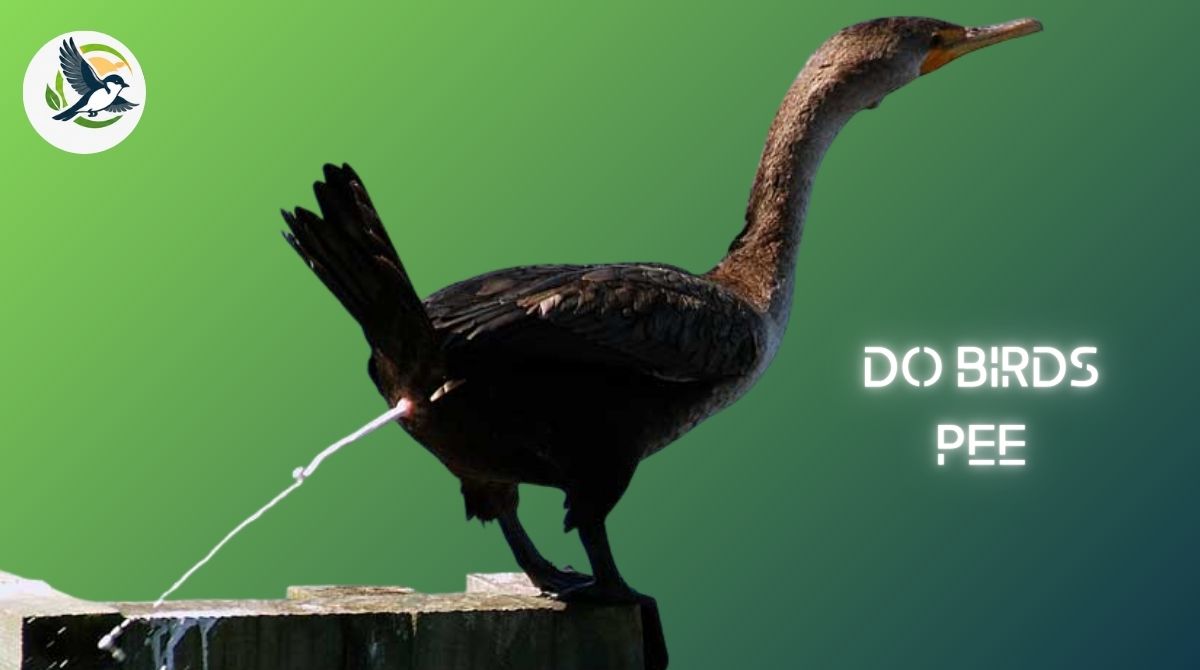
Do birds pee differently from mammals, and can this unravel the marvel of their adaptations? Instead of producing liquid urine, birds excrete a semi-solid waste that combines uric acid with feces. This unique method allows them to conserve water, which is crucial for survival in their often arid environments. By eliminating water in a more concentrated form, birds effectively minimize weight, enhancing their ability to fly.
Delving deeper, this adaptation speaks volumes about evolution. Birds have moved away from the traditional mammalian method of urination in favor of compound excretion, which reflects their need to thrive in diverse habitats.
Top 5 Birds With the Most Unique Excretory Adaptations
Below is the list of the Top 5 Birds With the Most Unique Excretory Adaptations:
- Emperor Penguin
- Ostrich
- Roadrunner
- Laysan Albatross
- Burrowing Owl
Emperor Penguin
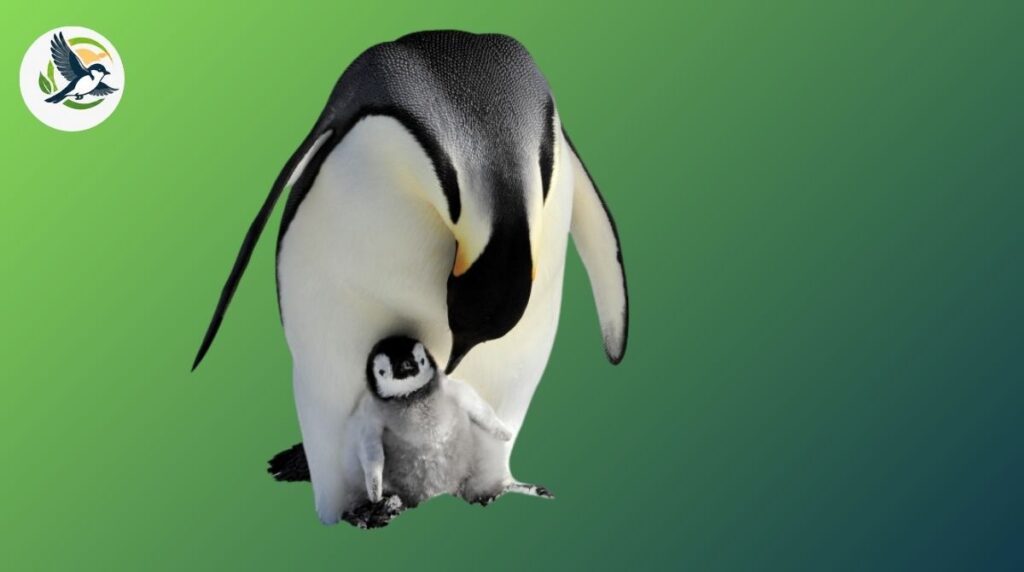
The Arctic’s regal inhabitant, the Emperor Penguin, showcases a remarkable adaptation in its excretion process. During the harsh winter months, these birds retain water and nutrients to survive long periods without food. The result? Their droppings become a concentrated source of valuable nutrients, essential for their survival. This adaptation not only helps them conserve water but also supports the surrounding ecosystem, as the rich nutrients enrich the icy soil when they finally thaw.
Ostrich
The world’s largest bird, the Ostrich, has mastered a unique method of excretion that aligns with its desert habitat. Unlike many birds, which produce liquid waste, ostriches expel a semi-solid mix of uric acid and feces. This adaptation conserves water, critical in arid environments. Their droppings also serve a dual purpose: they naturally fertilize the plant life around them, creating a thriving habitat, and the dark color of the feces helps absorb heat, further aiding their nesting sites.
Roadrunner
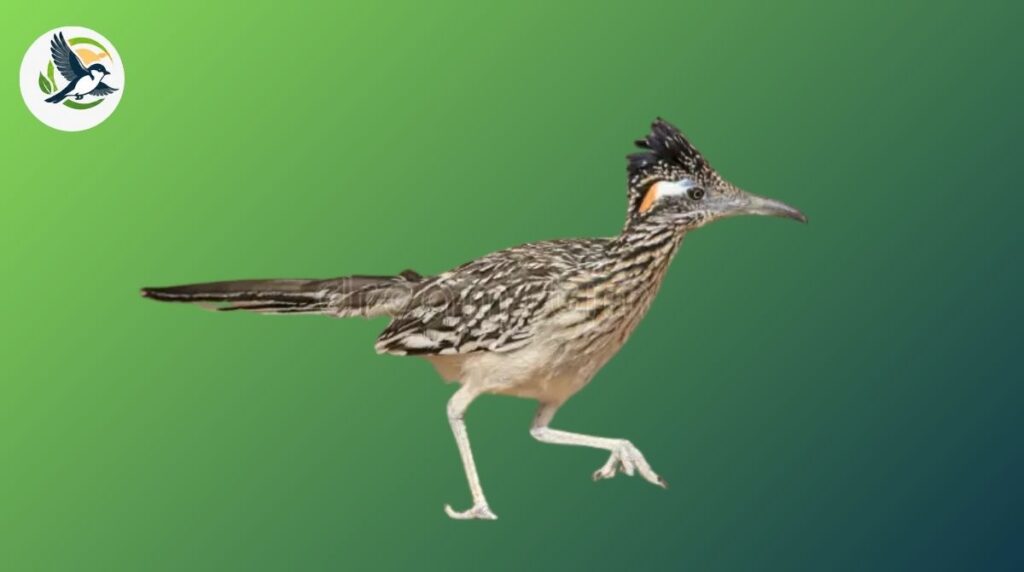
Famous for its speed and cleverness, the Roadrunner stands out not just for its agility but for its excretory strategy as well. This bird expels a liquid waste that’s less concentrated, indicating its plentiful water intake from the juicy prey it devours. This adaptation allows it to thrive in the dry Southwest U.S.; its droppings play a surprising role in the ecosystem, providing nutrients that attract other wildlife, effectively maintaining the delicate balance of its arid habitat.
Laysan Albatross
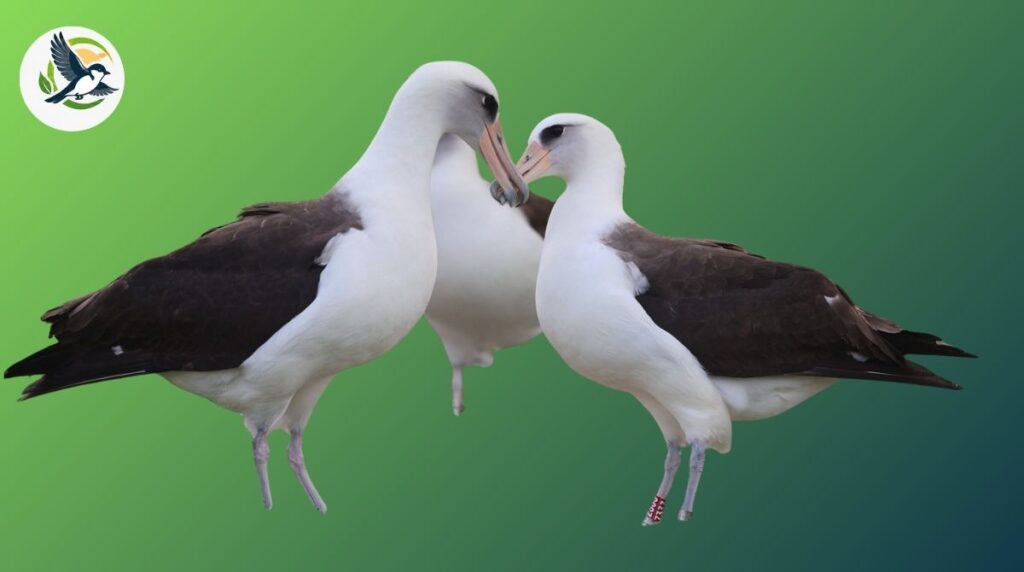
The Laysan Albatross has a unique approach to waste management that optimizes its life at sea. Their excretory system functions as a filter against salt, allowing them to expel saline waste while conserving precious freshwater. This capability is crucial for long-distance flights over oceans, ensuring their energy needs are met without excessive dehydration. Moreover, their droppings, high in nutrients, help enrich the scant vegetation on the remote islands they often occupy, creating a thriving micro-ecosystem.
Burrowing Owl
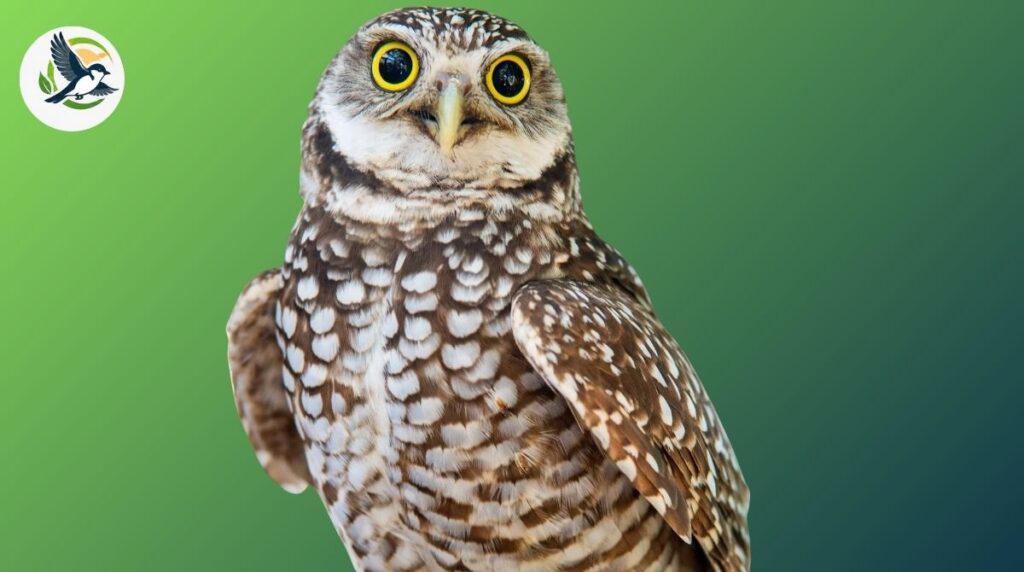
This quirky bird combines a unique form of excretion with an equally fascinating ecological strategy. The Burrowing Owl uses its droppings as camouflage for its burrow, which protects it from predators. They are not just waste products; their droppings also reveal a buffet of digested insects, providing biologists with the owl’s diet and the surrounding environment. Furthermore, these droppings attract certain insects, creating a mini food chain that supports the owl’s ecosystem right where it lives.
Top 5 Reasons Birds Don’t Produce Liquid Urine
Below is the list of the Top 5 Reasons Birds Don’t Produce Liquid Urine:
- Water Conservation
- Reduced Body Weight for Flight
- Efficient Nitrogen Waste Removal
- Adaptation to Dry Environments
- Lower Energy Requirements
Water Conservation
Birds have evolved to thrive in a variety of environments, and one of their key adaptations is the ability to conserve water efficiently. By excreting uric acid, rather than liquid urine, birds minimize water loss, which is crucial for survival, especially in arid habitats. This remarkable adaptation allows them to sustain hydration levels even in the driest conditions.
Reduced Body Weight for Flight
Flight requires a delicate balance of weight and aerodynamics. Birds’ unique waste management system, which produces a pasty, semi-solid form of nitrogen waste, significantly reduces their overall body weight. This adaptation is vital for achieving the lift and agility needed for flight, enabling birds to soar effortlessly through the skies.
Efficient Nitrogen Waste Removal
Birds have mastered the art of nitrogen waste removal. By excreting uric acid or urea, they convert potentially harmful compounds into less toxic forms, minimizing the need for extensive water flushing. This efficiency not only protects their internal systems but also aids in their ecological role, as the concentrated waste becomes a valuable nutrient for their environments.
Adaptation to Dry Environments
Many bird species inhabit regions where water sources are scarce. Their uric acid excretion is a brilliant evolutionary strategy for survival in these dry environments, allowing them to flourish while other species may struggle. This remarkable ability showcases nature’s versatility and resilience.
Lower Energy Requirements
Lastly, producing solid waste requires less energy compared to processing and eliminating liquid urine. This energy efficiency allows birds to allocate more resources toward flight, feeding, and other essential activities. In essence, their waste management strategy not only enhances survival but also optimizes their energy expenditure in an ever-changing world.
Top 5 Ways Birds Conserve Water in Different Habitats
Below is the list of the Top 5 Ways Birds Conserve Water in Different Habitats:
- Excreting Uric Acid Instead of Liquid Urine
- Reabsorbing Water in the Cloaca
- Obtaining Water From Food
- Producing Concentrated Waste
- Reducing Water Loss Through Respiration
Excreting Uric Acid Instead of Liquid Urine
Many birds, especially those in arid environments, have adapted to conserve water by excreting uric acid, a semi-solid waste, rather than losing precious fluids through liquid urine. This evolutionary trait allows species like the American quail to thrive where water is available, enabling them to minimize loss while efficiently managing nitrogen waste.
Reabsorbing Water in the Cloaca
The cloaca serves as more than just a waste disposal system; it’s a crucial site for water reabsorption. Birds such as the ostrich have this organ to reclaim water from both urine and fecal waste, ensuring that they maximize hydration even in the driest conditions. This remarkable adaptation underscores their resilience in challenging habitats.
Obtaining Water From Food
Diet plays a pivotal role in hydration strategies for many avian species. Frugivorous birds, certain parrots and toucans, often consume water-rich fruits, efficiently securing hydration through their diet. This nutritional approach not only nourishes them but also reduces their dependence on external water sources, showcasing a clever survival tactic.
Producing Concentrated Waste
Birds such as the desert-dwelling roadrunner have evolved to produce highly concentrated waste, significantly reducing water loss. This adaptation allows them to thrive in extreme heat and dryness, as their bodies efficiently extract and retain moisture, a vital resource in their desert habitat.
Reducing Water Loss Through Respiration
Birds possess a unique respiratory system that minimizes water loss during breathing. By utilizing a system of air sacs, they can optimize oxygen intake while retaining moisture. Species like the emu exhibit this adaptation, allowing them to inhabit diverse environments without succumbing to dehydration, reinforcing the complexity of their survival strategies.
What Can Bird Waste Tell Us About Their Health?
Bird waste holds crucial clues about their health, revealing much more than just what they ate. The droppings of birds consist of both feces and uric acid, which raises an interesting point: do birds pee? Unlike many animals, birds excrete waste in a combined form, which provides valuable insights into their hydration levels, diet, and even stress. Darker or oddly colored droppings can signal dehydration or illness, while changes in consistency might indicate dietary imbalances or parasites.
Interestingly, the color of bird droppings isn’t just a whimsical detail; it can also reflect environmental factors. For instance, white droppings suggest high uric acid levels, often seen in birds consuming a protein-rich diet.
Final Words
In understanding bird biology, the question of whether birds pee opens up a fascinating glimpse into their unique physiology. Unlike mammals, do birds pee? They have adapted to conserve water with a more efficient system that combines excretion and urination. This means they produce a semi-solid waste rather than liquid urine, which helps them thrive in their environments.
Each fact we’ve explored highlights just how remarkable these creatures are, showcasing their evolutionary adaptations. So, the next time you see a bird, remember the incredible biology behind its everyday functions and take a moment to appreciate these avian wonders.
FAQs
Does bird pee smell?
Yes, bird pee does have a smell, though it’s often less noticeable than that of many mammals. Birds excrete waste in a combined form of urine and feces, which can produce a slight odor, especially if it’s concentrated or if it accumulates.
Is bird pee clear?
Bird pee is generally not clear; it’s more of a uric acid paste. Unlike mammals, birds excrete waste as uric acid, which is a white, chalky substance. This mixture helps them conserve water, as it’s less toxic and requires less fluid to eliminate.