Shoebill Bird: 15 Facts About The Giant African Bird That Looks Like a Living Dinosaur
“Dinosaurs are dead” is a straight-up lie. If you want to see a dinosaur in real life, book your tickets for Africa and take a look at this magnificent shoebill bird. Meet the Shoebill Bird, an extraordinary creature endemic to the swamps of Africa. With its striking features and unique behaviors, this giant bird has captivated wildlife enthusiasts and researchers alike. In this article, we’ll delve into 15 fascinating facts about the Shoebill Bird that will enhance your understanding of this remarkable species and its importance in biodiversity.
Why Does the Shoebill Bird Look Like a Living Dinosaur?
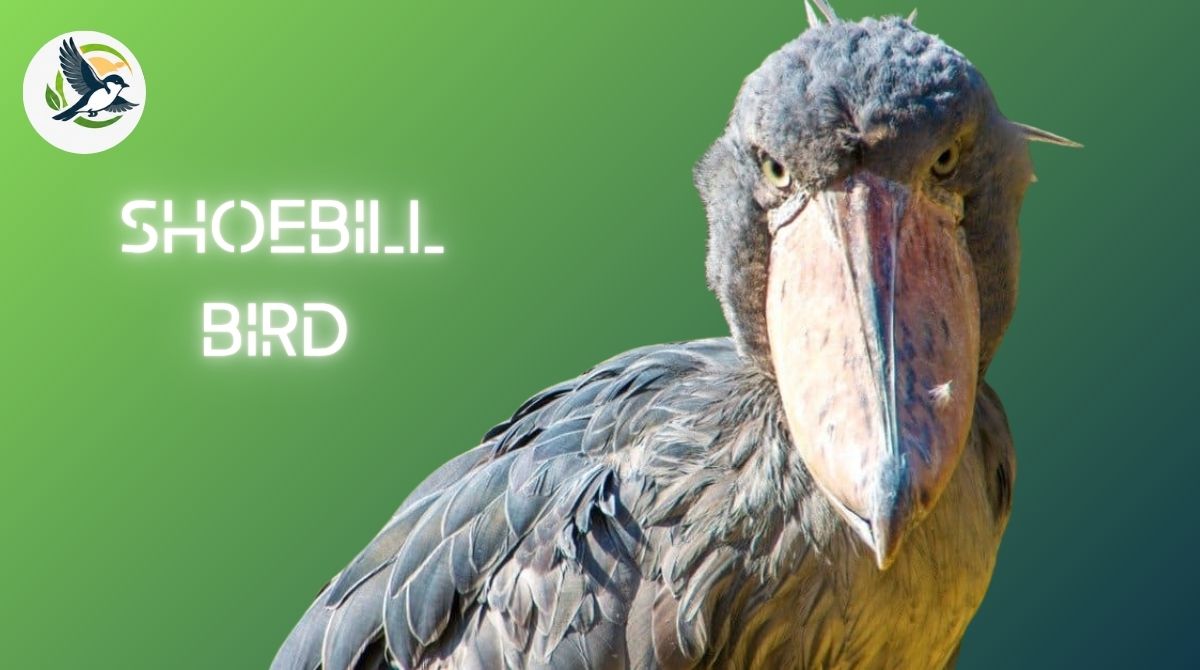
The Shoebill Bird is often hailed as a real-world dinosaur, captivating birdwatchers and casual observers alike with its striking appearance. Its massive, shoe-shaped bill not only lends it its name but also showcases an evolutionary advantage in hunting, allowing it to catch slippery prey like fish and amphibians with incredible precision. This unique adaptation is reminiscent of ancient predatory birds, highlighting a fascinating connection to the past.
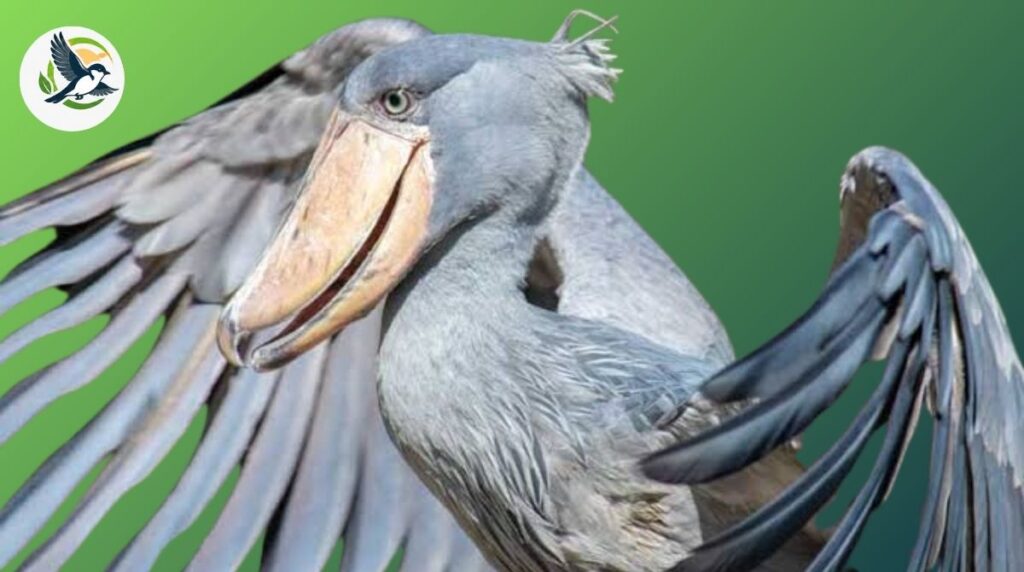
Moreover, the Shoebill’s posture and behavior contribute to its dinosaur-like allure. Standing at about four feet tall, it exudes an air of prehistoric majesty, often lurking silently in the wetlands of Africa as it stalks its prey. This embodiment of stillness and concentration feels like a page ripped from a time when avian giants roamed the Earth.
Shoebill Bird Appearance and Physical Characteristics
Majestic Height: Standing at an impressive 3 to 4.5 feet tall, the Shoebill Bird commands attention with its towering stature, resembling a living statue more than a mere bird.
Unique Bill Shape: Characterized by its enormous, shoe-shaped bill, which can measure up to 9.5 inches, this avian marvel uses its distinctive beak for hunting, catching prey like fish and amphibians with surgical precision.
Intimidating Plumage: The Shoebill’s plumage is a stunning blend of gray and blue that serves as natural camouflage in its marshy habitat, allowing it to blend seamlessly into the reeds and water lilies of Africa.
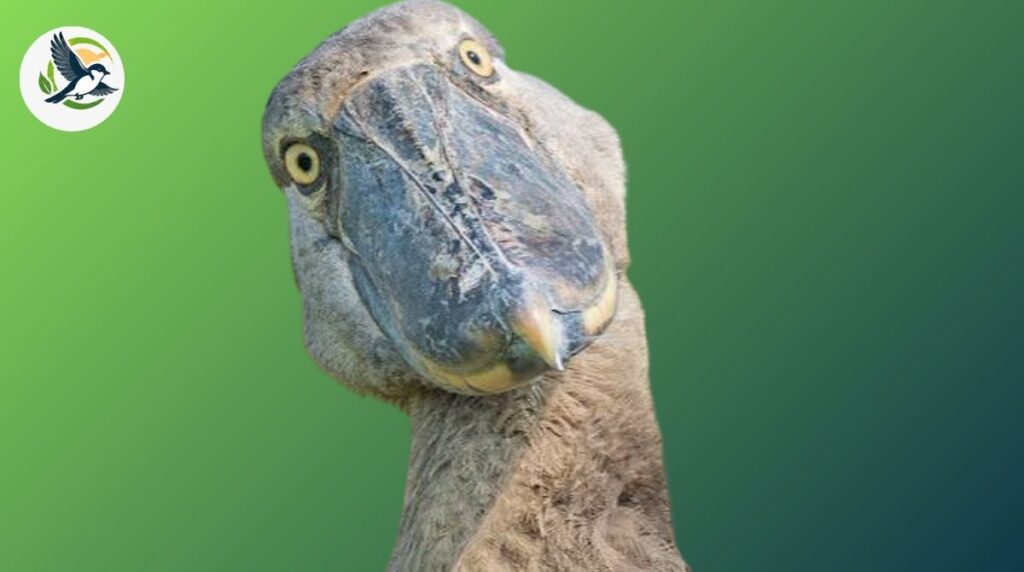
Expressive Eyes: Its striking, large yellow eyes are not just for show; they provide exceptional vision, crucial for spotting prey from considerable distances in the dense wetlands.
Silent Sentinel: Known for its stillness, the Shoebill often stands motionless for hours, a testament to its patience and hunting strategy, which can evoke an almost mythical aura around this intriguing bird.
Long Legs: With long, powerful legs, the Shoebill navigates both water and land effortlessly, showcasing a graceful yet sturdy gait that belies its somewhat awkward appearance.
Distinctive Vocalizations: While often silent, when vocal, the Shoebill produces deep, resonant sounds that echo through its habitat, enhancing its enigmatic presence and adding to the mystique of this extraordinary bird.
Shoebill Bird Habitat and Distribution
The Shoebill Bird, a striking avian marvel, predominantly inhabits the swamps and wetlands of East Africa, particularly in countries like Uganda, Zambia, and the Democratic Republic of the Congo. These unique ecosystems provide the perfect backdrop for their hunting and nesting behaviors.
Found mostly in shallow freshwater areas, the Shoebill thrives in environments rich with papyrus and aquatic vegetation, which facilitate its hunting of fish and amphibians. This bird’s habitat is crucial not only for its survival but also for maintaining the ecological balance within these rich ecosystems.
Shoebill Bird Diet and Hunting Behavior
Interestingly, the Shoebill is a master of patience, often remaining motionless for hours as it awaits its next meal, a behavior that enhances its ability to blend into the dense vegetation. With wetlands under threat from climate change and human encroachment, understanding the Shoebill’s distribution helps underscore the importance of preserving these vital habitats for future generations.
The Shoebill Bird, known for its striking appearance and prehistoric charm, has a diet that is as fascinating as its looks. This unique bird primarily feeds on fish, primarily targeting large species such as tilapia and lungfish. Their impressive hunting technique includes an unexpected blend of stealth and patience; they can remain motionless for long periods, waiting for the perfect moment to strike.
Read more: Birds With Long Legs: 10 Stunning Species You Should Know
Beyond fish, the Shoebill Bird’s diet occasionally includes amphibians like frogs and even small reptiles. This opportunistic eating behavior highlights the adaptability of the Shoebill; it thrives in its wetland habitat by exploiting various food sources depending on availability. Notably, during the breeding season, they may also hunt more aggressively, reflecting a heightened nutritional need for raising their young.
15 Amazing Shoebill Bird Facts You Should Know
- Massive Shoe-Shaped Bill
- Prehistoric Dinosaur-Like Appearance
- Native to African Wetlands
- Exceptional Patience While Hunting
- Eats Surprisingly Large Prey
- Famous Bill-Clattering Display
- Can Stand Motionless for Hours
- One of the World’s Tallest Birds
- Mostly Solitary by Nature
- Slow but Powerful Flight
- Sharp Hook on the Bill
- Long Lifespan in the Wild
- Parents Raise Only One Chick
- Near Threatened Conservation Status
- A Favorite Among Birdwatchers
Massive Shoe-Shaped Bill
The shoebill boasts one of nature’s most striking adaptations, a bill that resembles a giant shoe. This immense structure isn’t just for show; it plays a crucial role in catching and dispatching prey with precision.
Prehistoric Dinosaur-Like Appearance
With its robust body and fierce gaze, the shoebill evokes a sense of primeval wonder. Many enthusiasts liken its appearance to that of prehistoric dinosaurs, making it a fascinating subject for evolutionary biology.
Native to African Wetlands
Habitat-wise, this bird thrives in the swampy realms of East Africa, soaking up the rich biodiversity of places like the swamps of Uganda and the flooded areas of South Sudan.
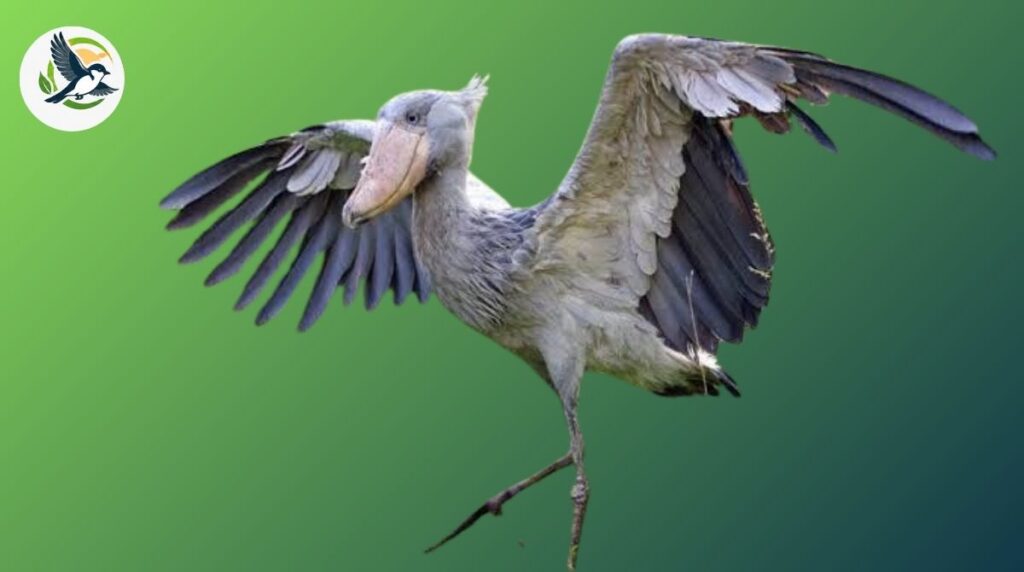
Exceptional Patience While Hunting
When it comes to feeding, patience is key for the shoebill. It often waits motionless, observing its surroundings for hours, embodying the adage that good things come to those who wait.
Eats Surprisingly Large Prey
This bird is not picky about its diet; it dines on sizable fish, reptiles, and even small mammals, showcasing its role as a formidable predator in its watery domain.
Famous Bill-Clattering Display
One of the shoebill’s most iconic behaviors is its dramatic bill-clattering display, often used during courtship or to communicate with rivals. This unique sound is a captivating part of its personality.
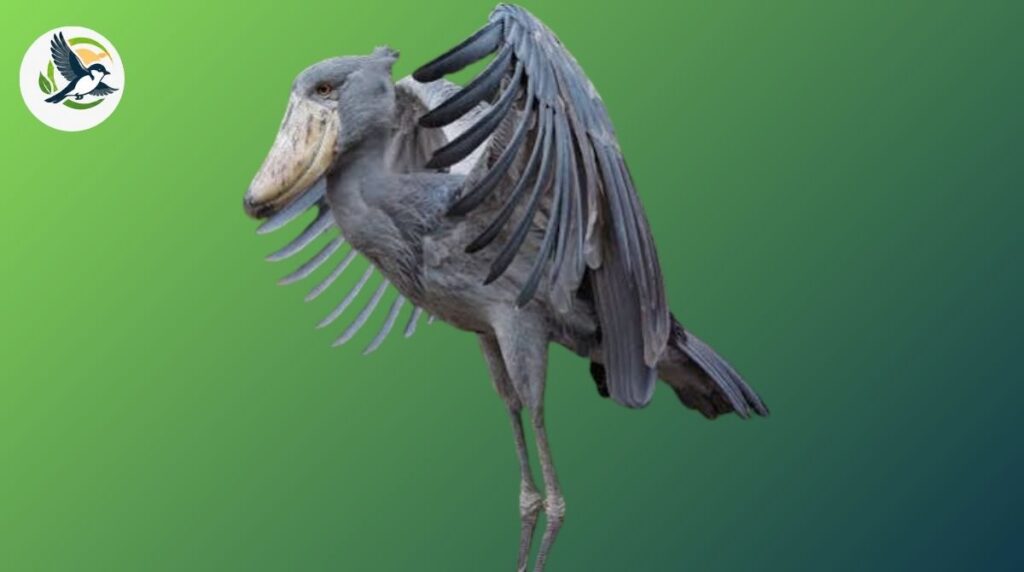
Can Stand Motionless for Hours
The ability to stand utterly still grants the shoebill a stealth advantage while hunting. Its patience allows it to ambush unsuspecting prey efficiently.
One of the World’s Tallest Birds
Standing at an impressive height of up to 4.5 feet, the shoebill is among the tallest birds on the planet, often leaving onlookers in awe of its towering presence.
Mostly Solitary by Nature
Known for its solitary habits, the shoebill often prefers to live alone or in small, loosely organized groups, reflecting its independent spirit in the wild.
Slow but Powerful Flight
While not known for agility, the shoebill’s flight is a sight to behold; its powerful wings enable it to soar over vast wetlands, showcasing a majestic, albeit lumbering, grace.
Sharp Hook on the Bill
The shoebill’s most striking feature is its massive, sharp hook on the bill, designed for snagging slippery prey like lungfish and eels. This evolution allows it to hunt with precision in murky waters, making it an apex predator in its habitat.
Long Lifespan in the Wild
Shoebills can live for over 35 years in the wild, an impressive feat among avian species. This longevity offers insights into their adaptability to fluctuating environments, suggesting their resiliency in the face of changes in habitat.
Parents Raise Only One Chick
Unlike many birds that produce multiple offspring, shoebills dedicate their efforts to raising a single chick for the first few months after hatching. This focused parental investment often results in a stronger, healthier bird, emphasizing their commitment to survival.
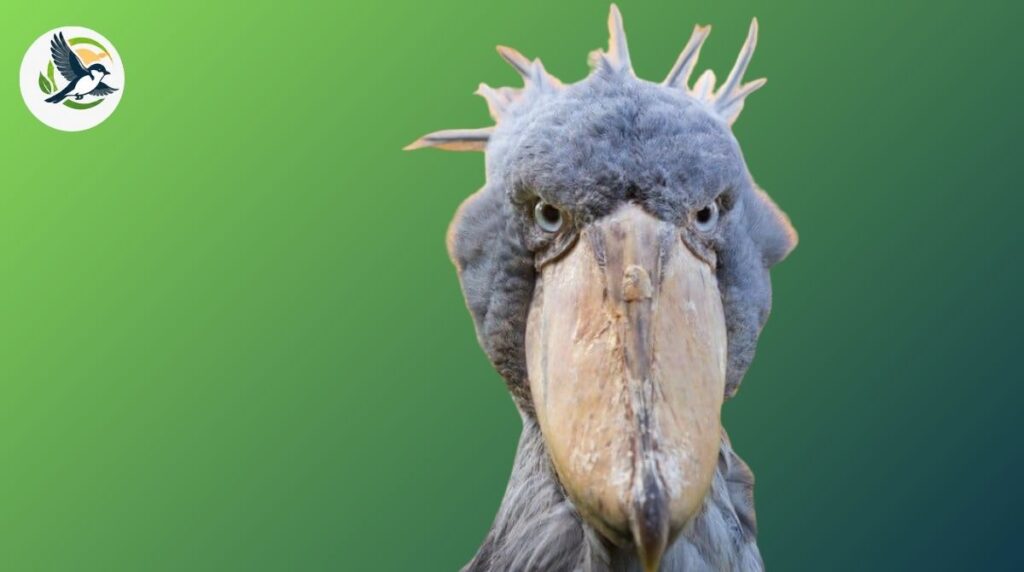
Near Threatened Conservation Status
Despite their fascinating qualities, shoebills face threats from habitat destruction and hunting, landing them on the Near Threatened list. Conservation efforts are crucial to ensure their survival, highlighting the need for awareness in protecting these unique birds.
A Favorite Among Birdwatchers
The shoebill’s striking appearance and elusive nature make it a gem for birdwatchers around the globe. Its rarity and majestic stance have sparked interest and excitement, drawing enthusiasts eager to catch a glimpse and learn more about its habits and behaviors.
Final Words
In summary, the Shoebill Bird is truly a remarkable creature that captivates with its prehistoric appearance and fascinating behaviors. From its distinctive shoe-shaped bill to its unique hunting techniques, this giant African bird stands out in the avian world. As we’ve explored, the Shoebill’s rarity and endangered status make it a symbol of conservation efforts in its native wetlands.
Understanding and appreciating such a unique species is crucial for promoting biodiversity and protecting our planet’s fragile ecosystems. So, whether you’re a birdwatcher or just a fan of nature, consider supporting conservation initiatives to help protect the Shoebill and its habitat!
FAQs
Is the shoebill friendly to humans?
The shoebill is not typically known for being friendly to humans. These large, striking birds are more solitary and somewhat aloof in nature. While they can become accustomed to human presence in certain contexts, such as captivity, they generally prefer to stay away from people in the wild.