Animals With Big Eyes: 10 Adorable Big-Eyed Animals to Know
In the world of animals with big eyes, these enchanting creatures capture our hearts and ignite our curiosity. From the depths of the ocean to the forests of your backyard, big-eyed animals symbolize innocence and wonder. Did you know that some animals have eyes that are nearly as big as their entire heads?
In this guide, we’ll introduce you to 10 adorable species that showcase the beauty and power of those wide, glimmering peepers. Get ready to fall in love with some of nature’s most captivating faces!
Why Do Some Animals Have Such Big Eyes?
The fascinating world of animals with big eyes offers a glimpse into the adaptations that allow these creatures to thrive in their environments. For many species, large eyes are essential for enhanced night vision. Creatures like the owl or certain deep-sea fish rely on expansive ocular structures to capture even the faintest light, allowing them to navigate and hunt in the darkness.
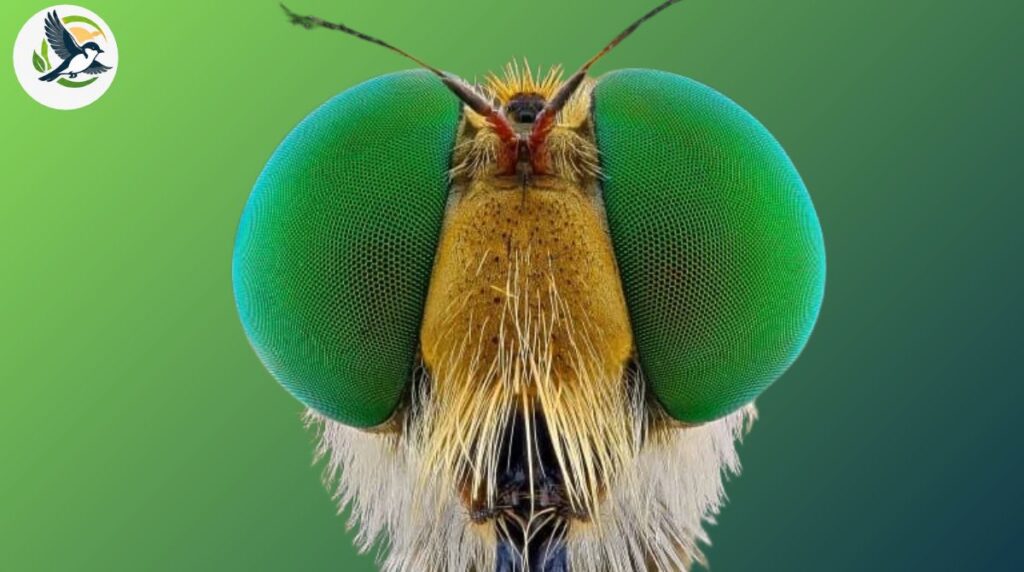
This adaptation not only helps them find food but also aids in avoiding predators, illustrating the evolutionary advantages of size in a world where light is scarce. Interestingly, not all animals with big eyes are nocturnal. Look at species like the tarsier, whose prominent peepers serve a different purpose: heightened awareness of their surroundings during the day and an enhanced ability to perceive movement in low light.
10 Animals With Big Eyes and Their Names
Below is the list of 10 animals with big eyes and their names
- Tarsier
- Slow Loris
- Owl
- Aye-Aye
- Tree Frog
- Sugar Glider
- Chinchilla
- Bush Baby
- Pygmy Marmoset
- Fennec Fox
Tarsier
Known for their enormous eyes, Tarsiers can swivel their heads almost 180 degrees, giving them a wide field of vision. These nocturnal primates rely on their large peepers to locate prey in the dark, highlighting their unique evolutionary adaptations.
Slow Loris
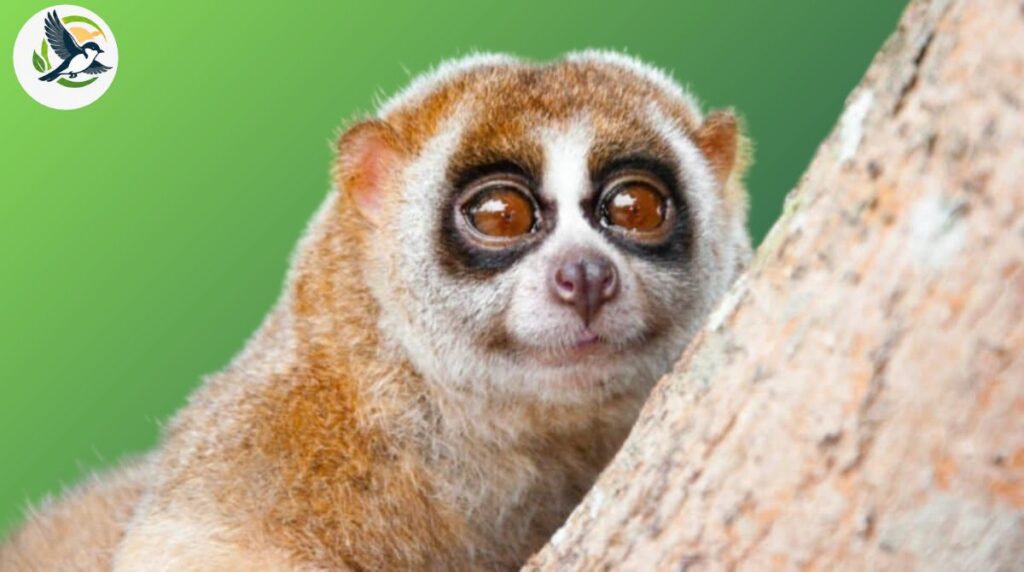
With captivating, round eyes that seem to size you up, the Slow Loris is not just cute; it’s venomous! These remarkable creatures use their keen eyesight for foraging at night, making them masters of stealth in the moonlit jungle.
Owl
Owls possess some of the largest eyes relative to their body size, enabling them to see exceptionally well in low light. Their iconic, round faces are not just for show; they enhance sound localization, increasing their hunting success an evolutionary masterpiece.
Aye-Aye
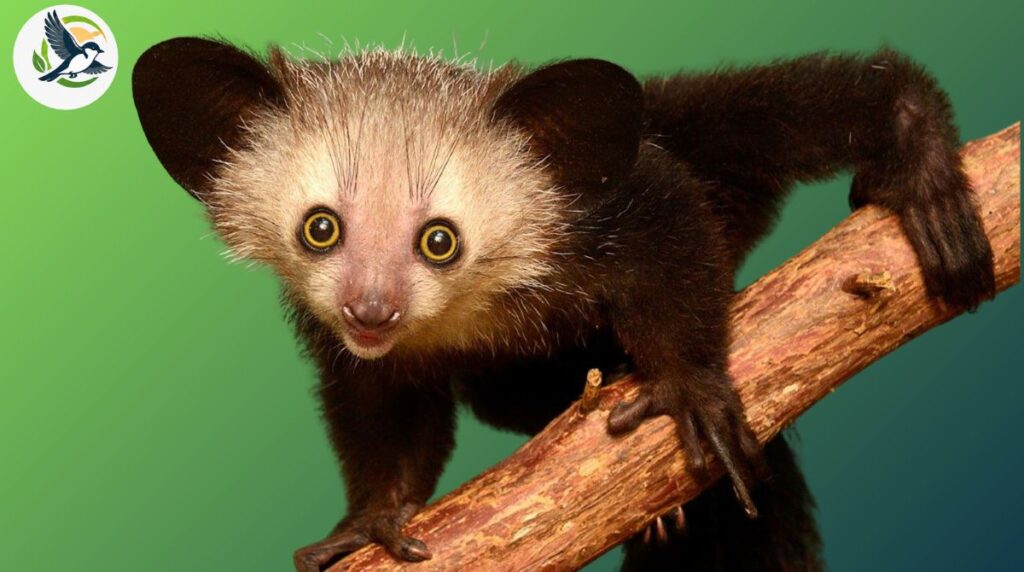
This enigmatic lemur is fitted with oversized eyes that seem to pierce through the dark. The Aye-Aye uses its extraordinary vision to find insects hidden beneath tree bark, a prime example of nature’s adaptations to the nocturnal lifestyle.
Tree Frog
Often sporting vibrant colors, tree frogs have bulging eyes that help them spot predators and prey alike. Their big eyes are not just adorable; they also provide a significant advantage in the dense foliage they inhabit.
Sugar Glider
These small marsupials boast large, expressive eyes that are perfect for spotting predators in their arboreal homes. Their nightly antics, aided by their superb vision, make them a delight for nature enthusiasts.
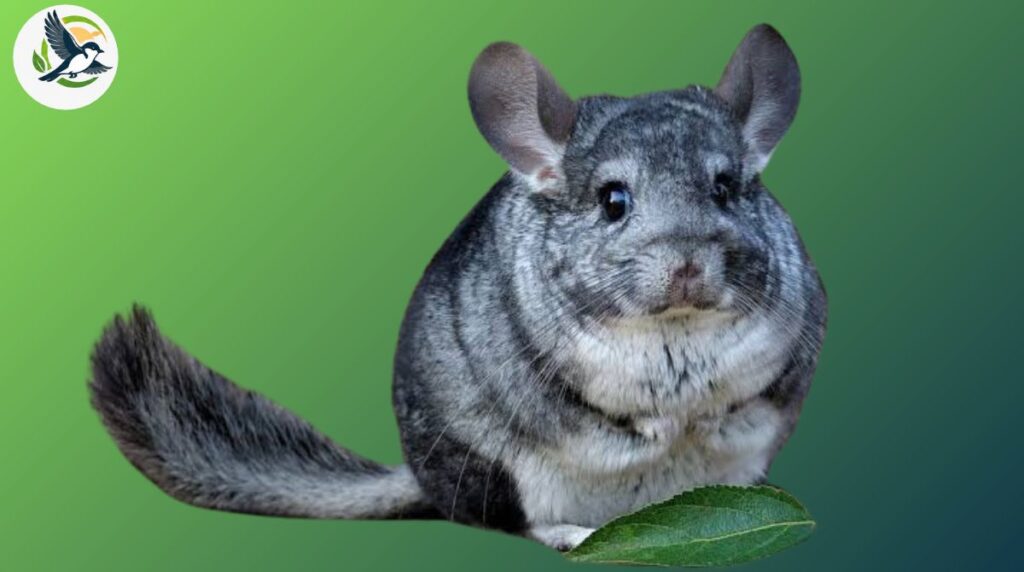
Chinchilla
With large, dark eyes, Chinchillas are not only stunning but also have excellent vision. Their bulky coats and big eyes help them thrive in their natural habitat, where spotting danger is crucial for survival.
Bush Baby
The Bush Baby, or Galago, has eyes that dominate its face, enabling incredible night vision. Their unmatched agility combined with remarkable eyesight makes them proficient hunters in the nocturnal landscape.
Pygmy Marmoset
As the smallest primate, the Pygmy Marmoset features disproportionately large eyes, crucial for spotting insects and fruit in the dense canopy. Their big eyes pair beautifully with their playful personalities.
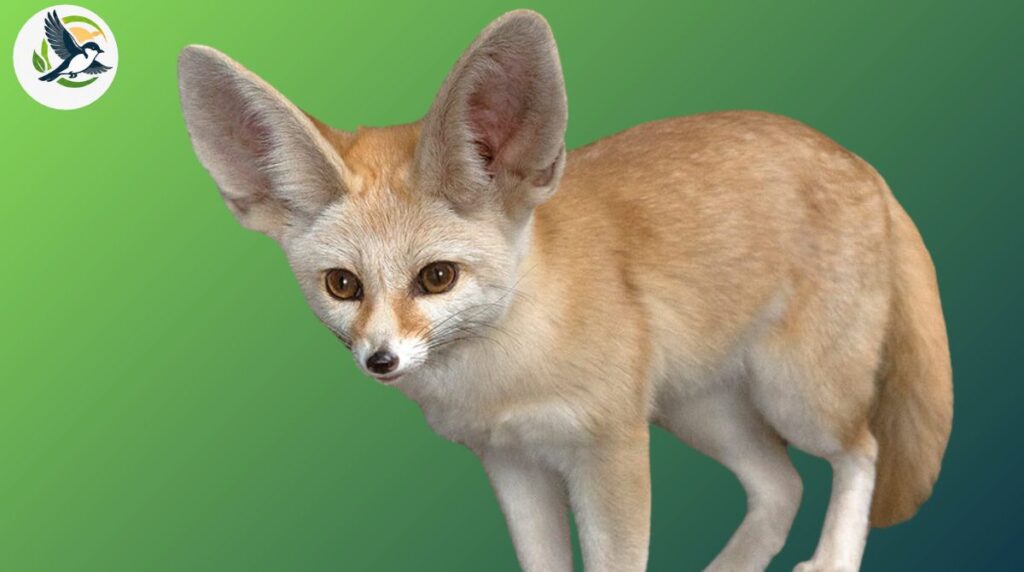
Fennec Fox
Distinguished by its oversized ears and large eyes, the Fennec Fox is adapted to the harsh desert environment. Its acute nighttime vision allows it to navigate effortlessly through the dunes, showcasing the beauty of functionality in design.
Amazing Facts About Animals With Big Eyes
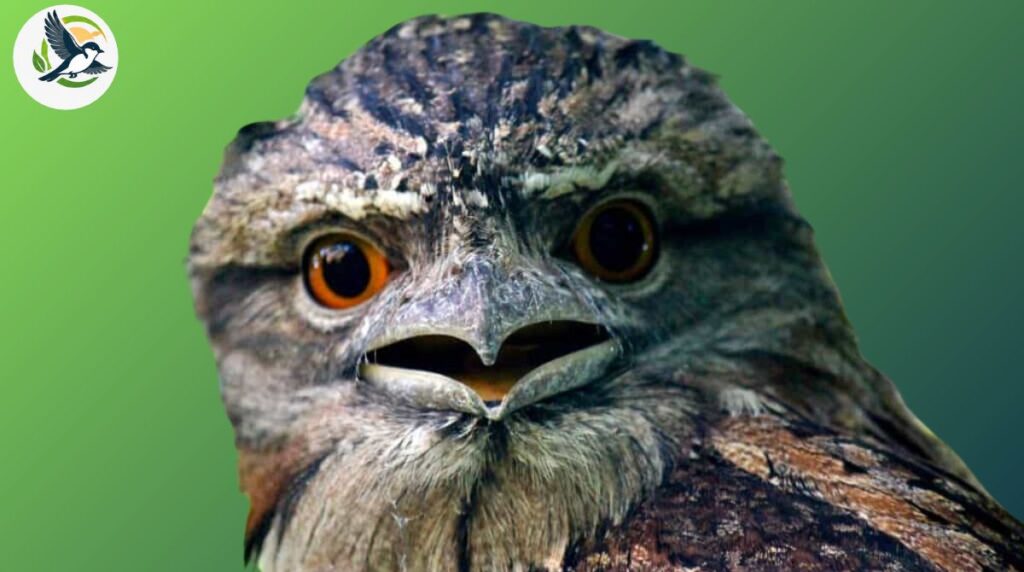
Some of the most timid animals on the planet boast remarkably large eyes, showcasing adaptations that enhance their survival. For instance, the frog-eyed owl uses its oversized peepers to spot prey during the twilight hours, making it one of the shy animal species that prefer the safety of darkness. Interestingly, these big-eyed creatures not only see well in low light but also signal their reclusive nature by being more active at night, allowing them to avoid potential predators and human encounters.
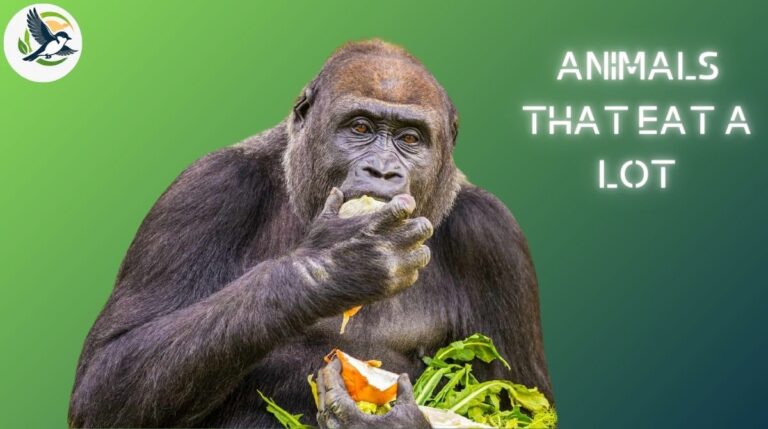
You can also increase your knowledge by reading: Animals That Eat a Lot: 10 Hungry Animals and Their Huge Appetites
Additionally, many shy animal species, like the tarsier, exhibit a unique behavior where their large eyes make up most of their head. This trait gives them an advantage in spotting prey while hanging out in the trees, but it also plays a crucial role in their cautious demeanor. These timid animal species often retreat into the dense foliage, utilizing their big eyes to keep watch for any disturbances while remaining hidden from those who might intrude.
Final Words
In conclusion, the world of big-eyed animals showcases some of nature’s most endearing and enchanting creatures. From the playful tarsiers with their enormous eyes to the whimsically adorable pandas, these animals capture our hearts and imagination.
Their distinct features often play crucial roles in their survival strategies, helping them navigate their environments effectively. Exploring the lives of these fascinating beings allows us to appreciate the beauty of biodiversity. So, let’s celebrate and protect these adorable big-eyed creatures to ensure they continue to thrive in our ecosystems!
FAQs
What are the Shy 5 Animals?
The “Shy 5” refers to a group of five elusive and often hard-to-spot animals in Africa, particularly in South Africa’s Kruger National Park. This charming term includes the Aardvark, the Porcupine, the Pangolin, the Serval, and the African Wild Cat. These creatures are known for their elusive behavior and unique adaptations, making wildlife spotting an exciting challenge for safari-goers
What Animal Represents Shy?
The animal that often represents shyness is the deer, particularly the doe. Known for their gentle demeanor and cautious nature, deer tend to be timid and prefer to stay hidden in their surroundings. Their ability to remain still and quiet in the presence of potential threats makes them a perfect symbol for shyness.
What Animal is Shy but Strong?
The pangolin is a great example of an animal that embodies both shyness and strength. These small, scaly mammals are known for their timid nature. When threatened, they roll into a tight ball, using their tough scales as armor. Despite their fragile appearance, they possess remarkable strength, especially in their powerful claws designed for digging into ant mounds and termite hills.