Grey Birds: 10 Beautiful Grey Bird Species You Should Know
Grey birds may not get the same attention as vibrant red or yellow ones, but they possess a quiet elegance that’s hard to ignore. From their sophisticated plumage to their mesmerizing movements, grey birds have much to offer.
In this article, we’ll introduce you to 10 beautiful grey bird species that you should know about. By the end, you’ll gain a newfound appreciation for these understated aviators and their roles in our ecosystem.
What Makes Grey Birds So Unique in the Wild?
In a world painted with vibrant colors, grey birds stand out not for their brightness, but for their understated elegance. These feathered creatures often blend seamlessly into their surroundings, making them masters of camouflage. Their muted colors can be a clever survival strategy, allowing them to hide from predators and ambush unsuspecting prey. Imagine spotting a delicate dove or a sleek pigeon resting quietly among tree branches; it’s like looking for a hidden gem!
Grey birds also possess a remarkable adaptability, thriving in diverse environments, from bustling urban areas to quiet forests. Their calm demeanor often draws people in, creating a sense of connection. For instance, the graceful mourning dove, with its soft cooing, can bring tranquility to any garden. Beyond their physical traits, grey birds are often symbols of resilience and peace, embodying a quiet strength that resonates with many.
10 Grey Bird Species You Can Easily Identify
Below is the list of 10 grey bird species.
- Gray Catbird
- Canada Jay (Gray Jay)
- Dark-eyed Junco
- Tufted Titmouse
- White-breasted Nuthatch
- Northern Mockingbird
- Black-capped Chickadee
- Eurasian Collared-Dove
- Gray Wagtail
- Clark’s Nutcracker
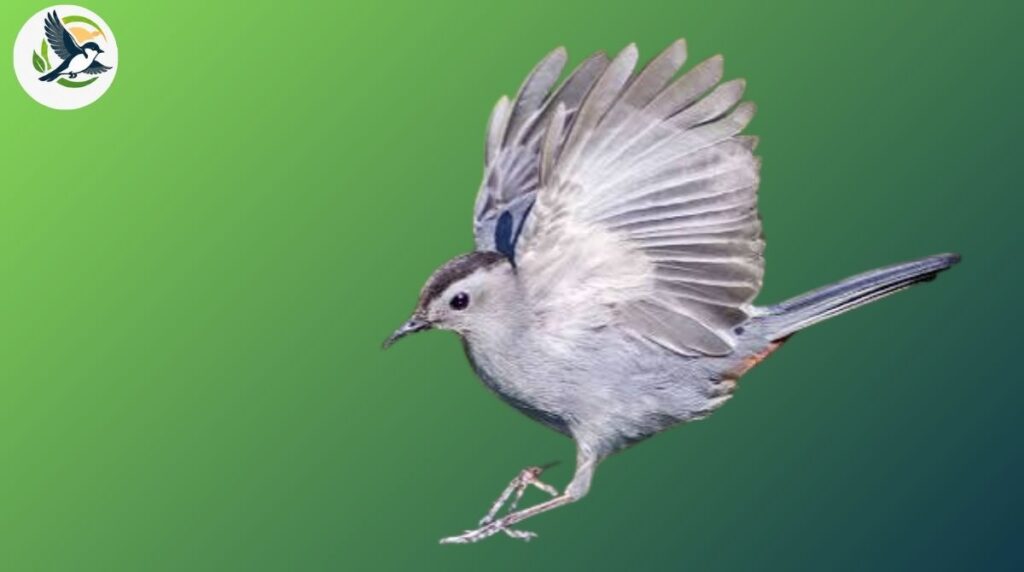
Gray Catbird
Often elusive, the Gray Catbird will entice you with its unique mewing calls. Found in shrubby habitats, it has a subtle slate-gray plumage and distinctive black crown. Look for its striking red undertail feathers an exciting contrast!
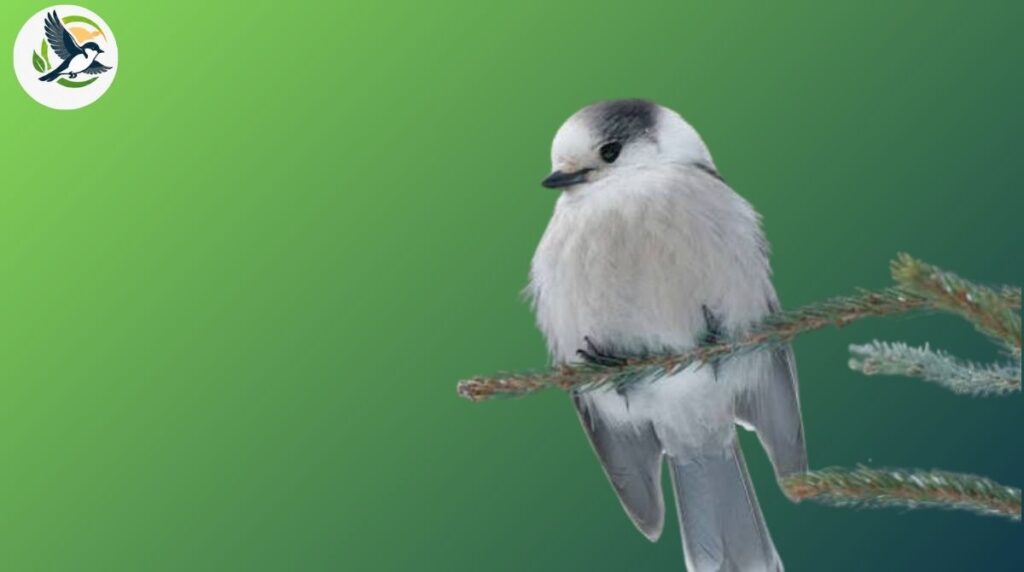
Canada Jay (Gray Jay)
Renowned for its unwavering curiosity, the Canada Jay, or Gray Jay, is a friendly companion in northern forests. Its soft gray feathers and long tail enhance its charming presence, making it a joy to observe as it flits about searching for food.
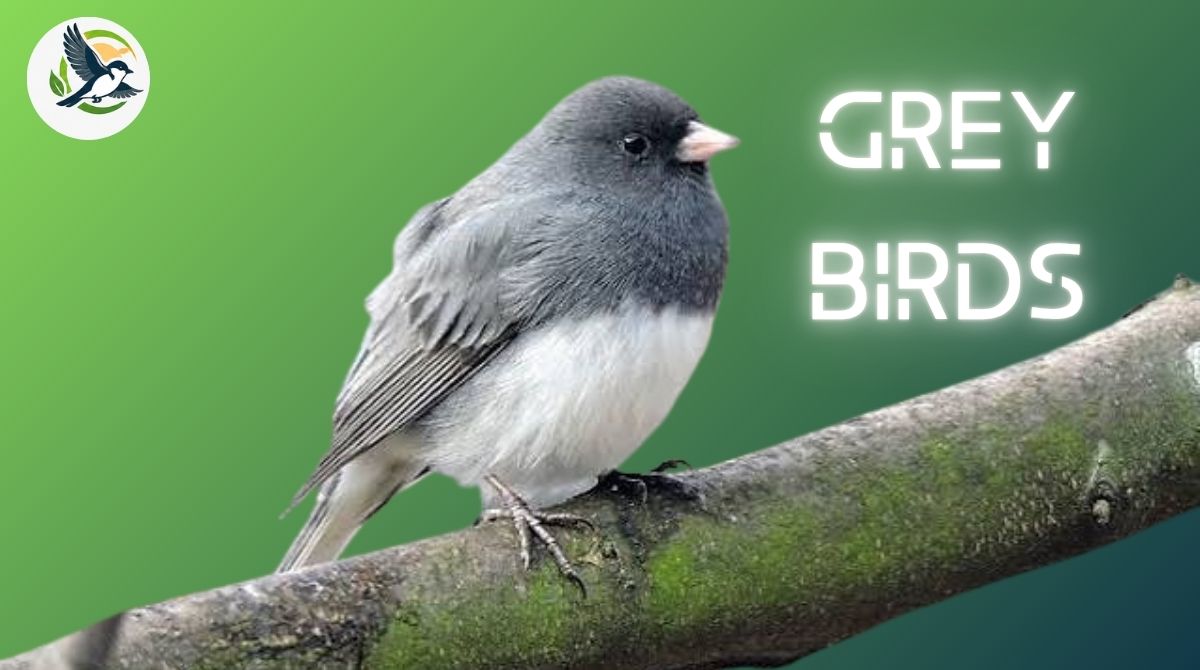
Dark-eyed Junco
This adaptable little bird showcases a variety of color morphs, with the slate-gray version being particularly common. In winter, look for them at feeders or on the ground, where their cheerful presence brightens chilly days despite their monochromatic hues.
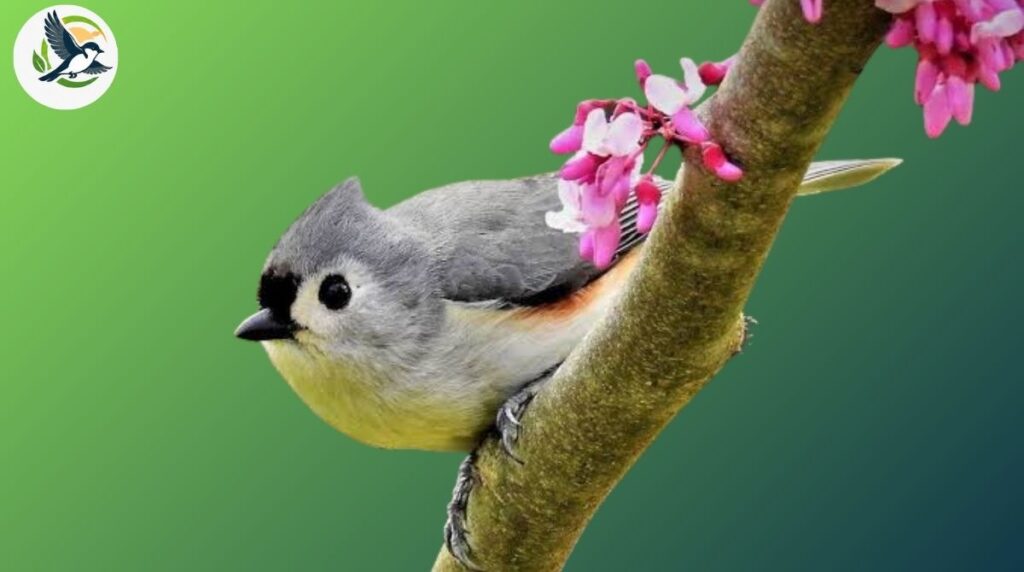
Tufted Titmouse
With its distinctive crest and playful demeanor, the Tufted Titmouse is hard to miss. Its gray body contrasts beautifully with a rust-colored patch on its sides, while its curious nature makes it a regular visitor to backyard feeders.
White-breasted Nuthatch
This bird is a master acrobat, often seen clinging upside down on tree trunks. With its gray back and striking white breast, the White-breasted Nuthatch is a delightful sight, particularly as it forages for insects in the bark.
Northern Mockingbird
Notorious for its vocal prowess, the Northern Mockingbird can mimic the calls of various other birds. Its grayish-brown plumage and white wing patches make it easily recognizable, and its energetic behavior draws attention wherever it goes.
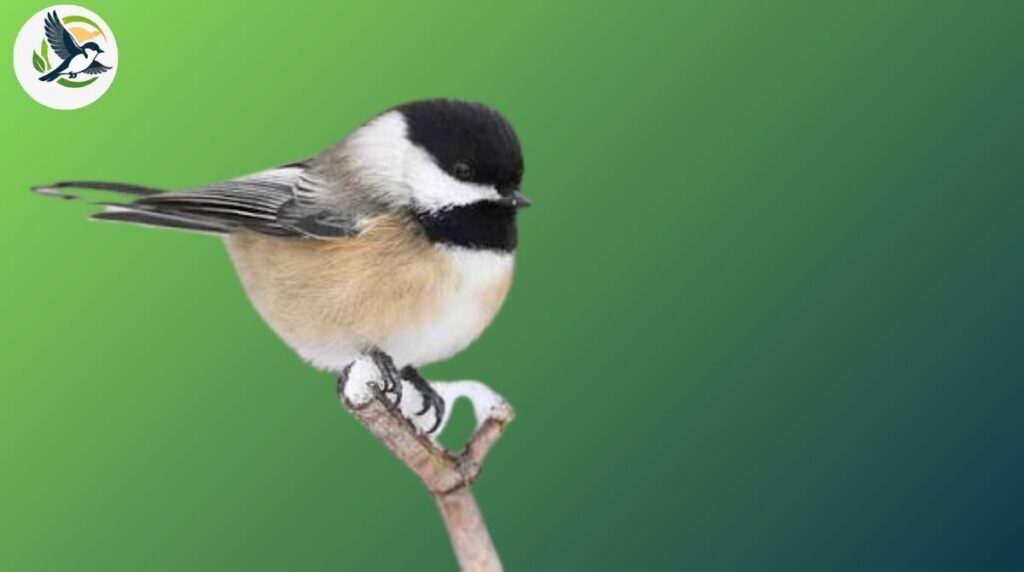
Black-capped Chickadee
Known for its distinctive “chick-a-dee-dee-dee” call, this tiny bird sports a black cap and bib over a grayish body. Its friendly temperament means it often approaches humans without hesitation, making it a beloved sight in many backyards.
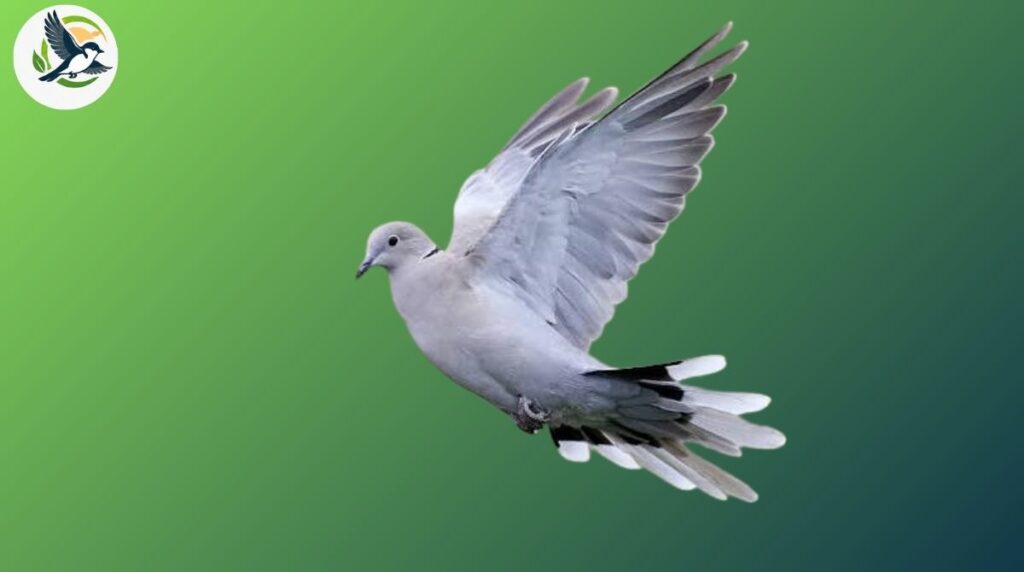
Eurasian Collared-Dove
This medium-sized dove has a notable gray hue and a distinctive black “collar.” Adaptable and social, it can often be found in urban areas and parks, cooing softly as it forages for seeds.
Gray Wagtail
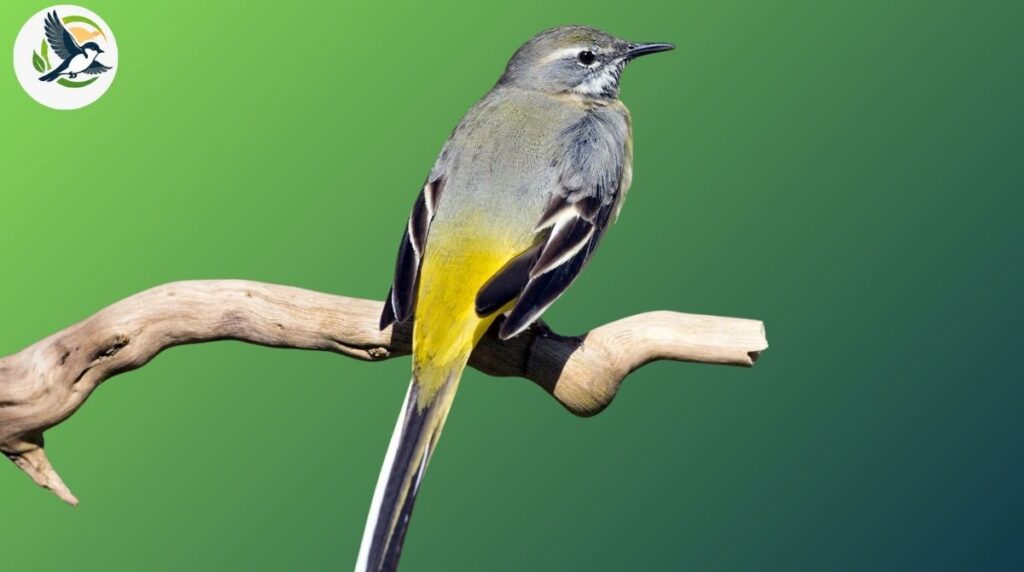
Often seen near water, the Gray Wagtail is characterized by its long tail that bobs dynamically. This bird’s elegant movement and soft gray coloration allow it to blend into its surroundings, making it a delightful discovery for those attentive enough to spot it.
Clark’s Nutcracker
Inhabiting mountain ranges, Clark’s Nutcracker is notable for its striking gray plumage and black wings. Its remarkable ability to cache thousands of pine seeds makes it crucial for forest regeneration, showcasing its ecological importance in mountainous ecosystems.
Also read more: Green Birds: 20 Beautiful Green Bird Names and Species You Should Know
Small Grey Finches and Other Finch-Like Birds Worth Knowing
The small grey finch, often overlooked, is a treasure in the avian world. With its subtle plumage, this bird boasts an understated elegance that can turn a mundane garden into a realm of wonder. These finches are not just about their muted colors; they possess delightful chirps that add a melodic backdrop to nature’s symphony.
But don’t stop with grey finches! The House Finch, with its vibrant reds and browns, is a lively counterpart that often shares urban spaces. Its adaptability to human environments exemplifies resilience and offers fascinating insights into urban ecology. Meanwhile, the Indigo Bunting, another finch-like wonder, bursts onto the scene with striking blue hues, particularly during the breeding season, an exquisite reminder of nature’s diversity.
From Dark Grey Birds to Grey and White Birds: Spot the Difference
Color Contrast
Dark grey birds often exhibit deeper, richer tones that can evoke a sense of mystery and intrigue, while grey and white birds embody a lighter aesthetic, symbolizing purity and clarity. This stark contrast in color not only affects their visual appeal but also influences their behaviors and habitats.
Behavioral Differences
Dark grey birds, such as crows and ravens, tend to exhibit bolder, more assertive behaviors and are often more vocal than their lighter counterparts. In contrast, grey and white birds like doves or gulls may display a gentler demeanor, often seen foraging elegantly or gliding effortlessly through the sky.
Habitat Preferences
The environments these birds thrive in can also be a telling difference. Dark grey birds are frequently found in more urban settings, adapting to the hustle and bustle of human life. Meanwhile, grey and white birds are often associated with open spaces, coastlines, or parks, where they can bask in the sunlight and showcase their striking plumage.
Birds with Mohawks and Other Grey Birds with Eye-Catching Crests
Imagine spotting a bird with a mohawk; the striking Crested Serpent Eagle flaunts a spiky crown of feathers that seems to scream personality. Often seen perched majestically in trees, this bird’s unique crest not only adds to its charm but also helps in communication with mates during courtship.
The Grey Cockatoo showcases an equally impressive spectacle. Its vibrant yellow crest fans out dramatically, creating a striking contrast against its slate-grey plumage. This not only amplifies its charm but also plays a vital role in social interactions, allowing these intelligent birds to express emotions and assert territory.
Don’t overlook the enchanting Long-tailed Tit, and while it doesn’t have a traditional crest, its fluffy head is often compared to a trendy hairstyle. These birds flit energetically through shrubs, their soft feathers and playful demeanor captivating anyone lucky enough to spot them. Their social behavior and remarkable vocalizations add depth to the experience, emphasizing that while grey may be their color, their personalities are anything but dull.
Large Grey Birds with White Bellies and Other Impressive Giants
Large gray bird with white belly: the perfect blend of elegance and strength.
Great Blue Heron: the quintessential fisher, poised in serene contemplation.
Grey Heron: adaptable and widespread, thriving across diverse wetlands.
Sandhill Crane: known for its graceful dance and haunting calls.
Common Crane: a migratory marvel, symbolizing hope and endurance.
White-bellied Sea Eagle: a majestic hunter with striking aerial displays.
Each of these giants commands respect, inspiring awe in those lucky enough to catch a glimpse. Nature’s artistry on full display, showcasing the beauty of avian diversity.
Final Words
In conclusion, the world of grey birds is rich and varied, showcasing the beauty and diversity of avian life that often goes unnoticed. From the elegant plumage of the African Grey Parrot to the striking form of the Grey Heron, each species tells a unique story of adaptation and survival. Their subtle yet stunning colors remind us that beauty can be found in simplicity.
Whether you’re a birdwatcher, a nature lover, or just someone looking to learn more about our feathered friends, these ten grey bird species offer a wonderful glimpse into nature’s creativity. So, grab your binoculars and head outside; you never know what incredible sights you might discover!
FAQs
What are some grey birds?
Grey birds can be found in a variety of species across different habitats. Common examples include the mourning dove, known for its gentle cooing and soft gray plumage, and the blue jay, which has striking gray-blue feathers.
What are some examples of grey bird species?
Some examples include the Grey Jay, Silver Gull, and Great Grey Owl.
Why are grey birds significant in nature?
Grey birds often blend into their surroundings, helping with camouflage and survival.