What Do Birds Eat: A Complete Guide to Bird Diets
Many people try to attract beautiful birds to their backyard garden, but fail. There is only one right way “food”, but at the same time, another question arises: What Do Birds Eat? If you put some nuts in your backyard, then it won’t attract an actual eagle, of course. There are 11,000 known species of birds. These different species have different choices of meals.
Let us munch on today’s topic and find out our favourite bird’s favourite meal. Learning this topic is not only interesting but also helpful for bird care. If you have a bird as a pet, but you are not feeding it well, then it can get sick. Let’s continue our journey and Bon appétit!
What Do Birds Eat in the Wild?
What Do Birds Eat? Birds in the wild have remarkably diverse diets that reflect their adaptability and the environments they inhabit. From the vibrant hummingbird to the formidable eagle, avian cuisine varies widely and is influenced by factors like habitat, season, and availability of food sources. In lush forests, many species thrive on fruits, seeds, and nectar, while birds of prey rely on small mammals or fish, showcasing the vast spectrum of their culinary preferences.
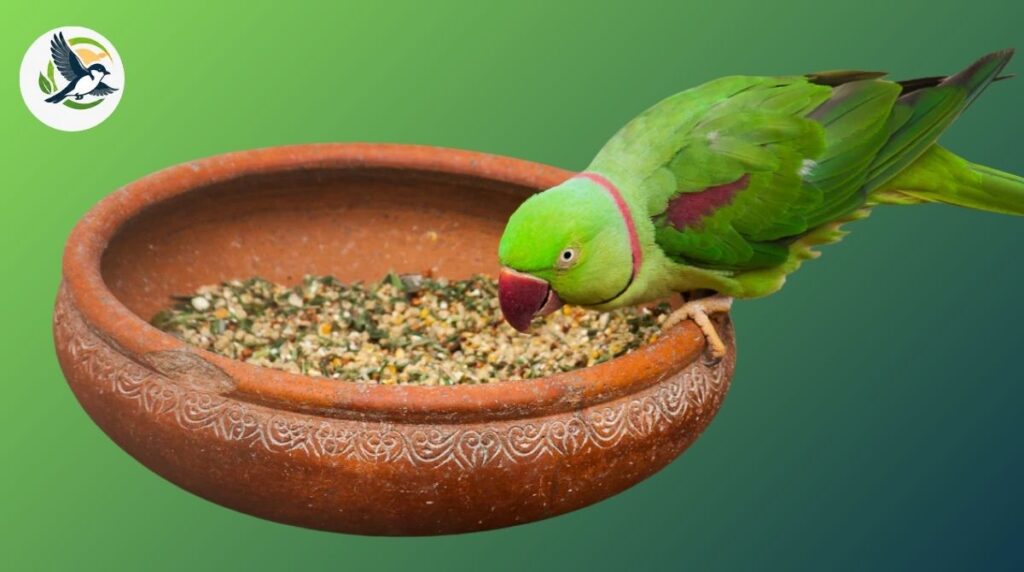
Exploring what birds eat reveals fascinating interdependencies within ecosystems; for instance, seed-eating birds play crucial roles in plant propagation, while insectivorous species help control pest populations. This symbiotic relationship highlights the importance of food sources in maintaining ecological balance.
What Do Different Types of Birds Eat?
- Seed-Eating Birds
- Insect-Eating Birds
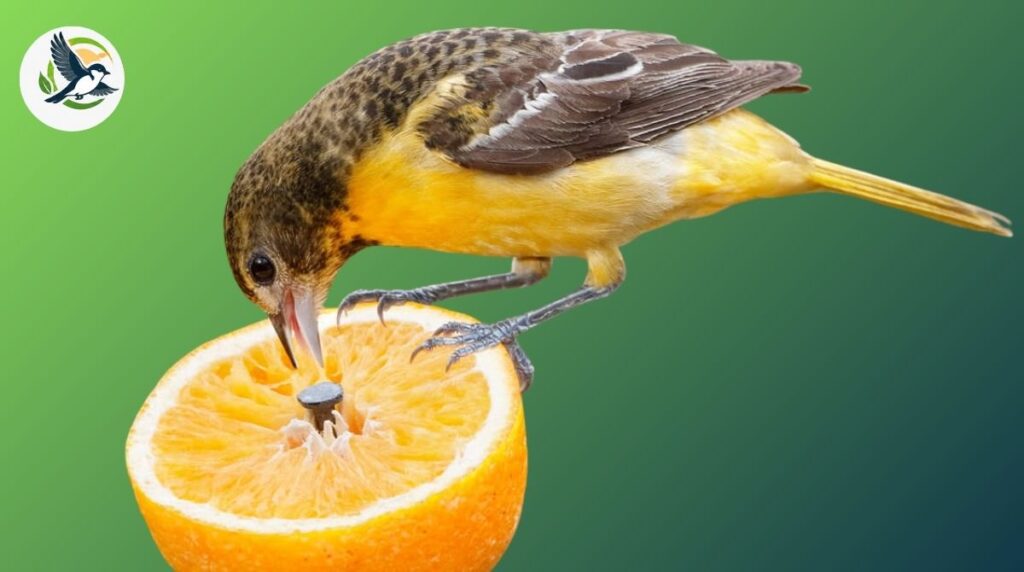
- Fruit-Eating Birds
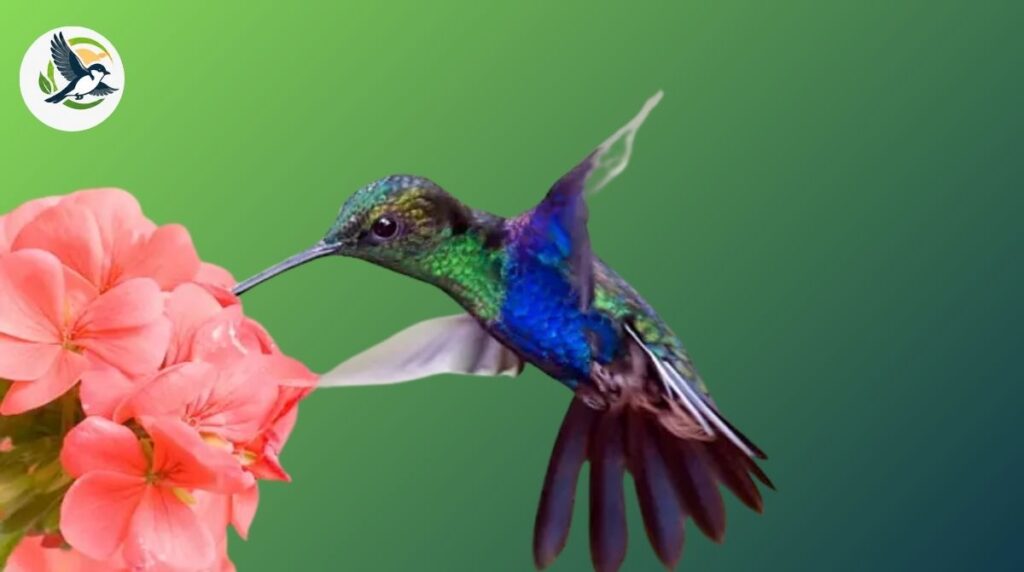
- Nectar-Feeding Birds
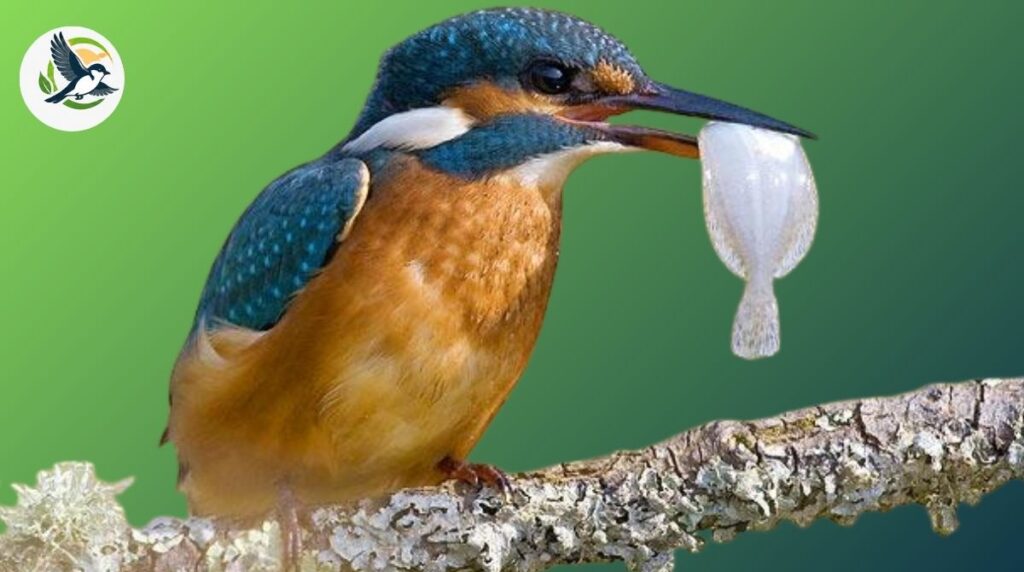
- Fish-Eating Birds
- Birds of Prey
Seed-Eating Birds
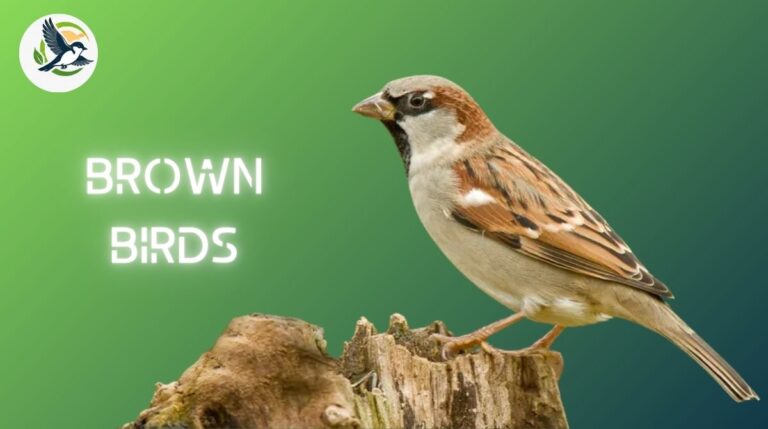
Think of finches and sparrows as nature’s little gardeners. Their diet primarily consists of seeds, which they help scatter and plant through their feeding habits. This not only sustains them but also plays a crucial role in plant propagation, making them vital for ecosystem health.
Insect-Eating Birds
Swallows and warblers are the acrobats of the bird world, darting through the sky and foliage to catch insects mid-air. Their role in controlling insect populations is essential, especially in agricultural areas, where a few of these birds can keep pest numbers in check, showcasing how biodiversity benefits farming.
Fruit-Eating Birds
From toucans to parrots, these vibrant diners thrive on fruit, helping disperse seeds as they go. They’re essentially nature’s delivery service, ensuring the next generation of flora can flourish. Their choices also influence forest structure, as different birds prefer various fruits, shaping local vegetation.
Nectar-Feeding Birds
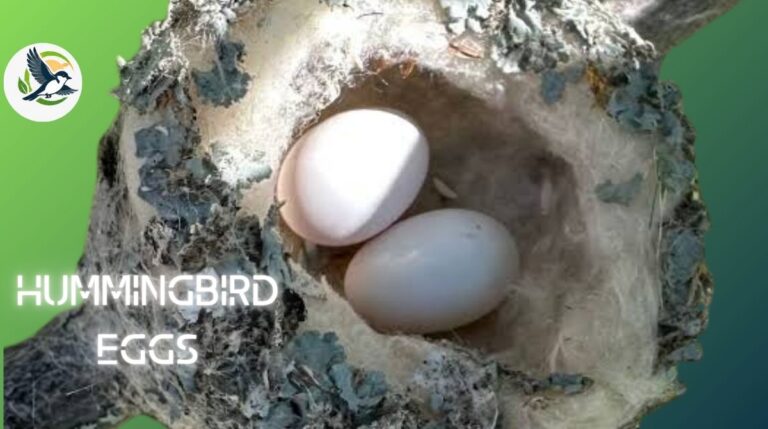
Hummingbirds, with their iridescent feathers and rapid wingbeats, are known for sipping nectar from flowers. Their feeding not only provides them sustenance but also promotes cross-pollination, ensuring that plants thrive. This symbiotic relationship highlights the delicate balance between flora and fauna.
Read more: Bird Keeps Flying Into Window Spiritual Meaning: 10 Different Bird Species and Their Spiritual Meanings
Fish-Eating Birds
Ospreys and herons exhibit impressive hunting skills, diving into water to catch fish. Their presence in aquatic ecosystems is indicative of a healthy environment, as they often serve as a barometer for water quality. Observing these birds in action can offer insights into the dynamics of their habitats.
Birds of Prey
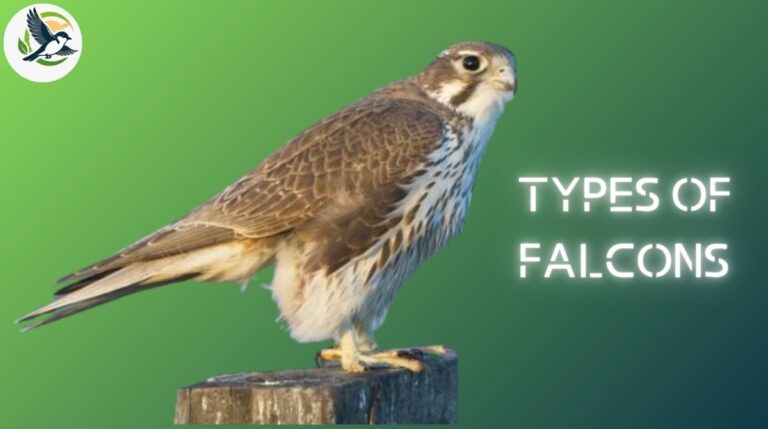
Eagles, hawks, and falcons dominate the skies, feeding on smaller mammals and other birds. Their keen vision and hunting prowess make them fascinating to watch, but they also play a critical role in maintaining population balance within their ecosystems. The loss of such predators can lead to overpopulation of prey species, disrupting ecological harmony.
Top 10 Common Foods Birds Eat
- Seeds
- Insects
- Fruits
- Nectar
- Nuts
- Berries
- Worms
- Fish
- Grains
- Small rodents
Seeds
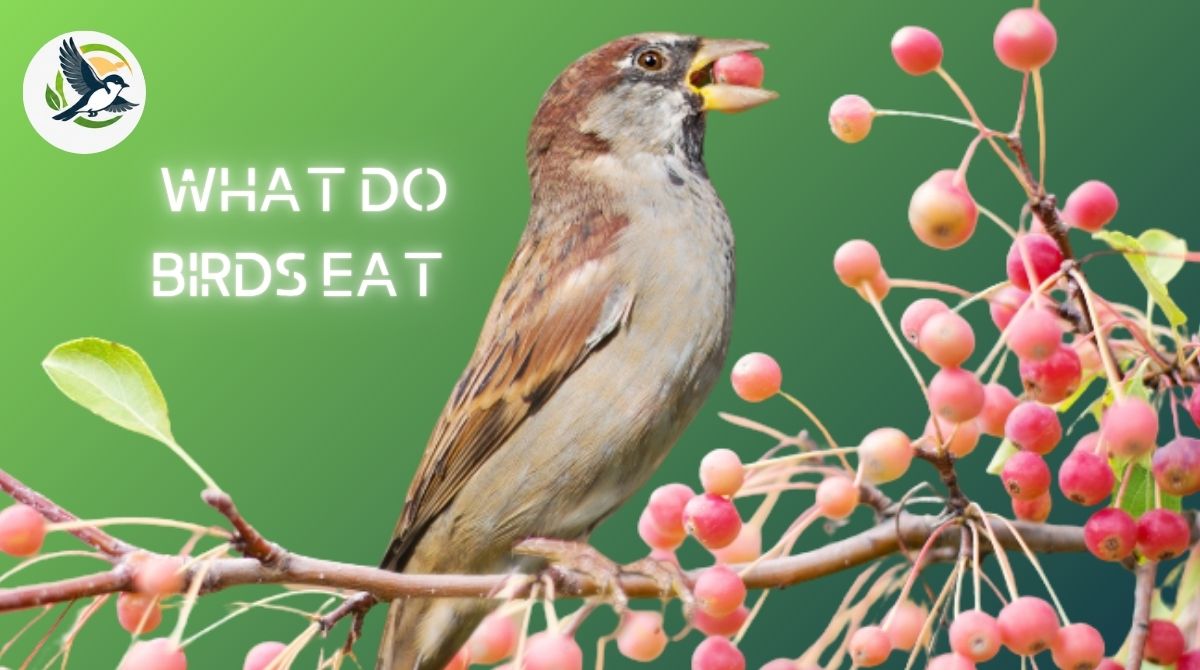
A staple in many birds’ diets, seeds ranging from sunflower to millet provide essential nutrients and energy. Birds like sparrows and finches have evolved specialized beaks to crack open tough shells, showcasing nature’s ingenuity in adaptation.
Insects
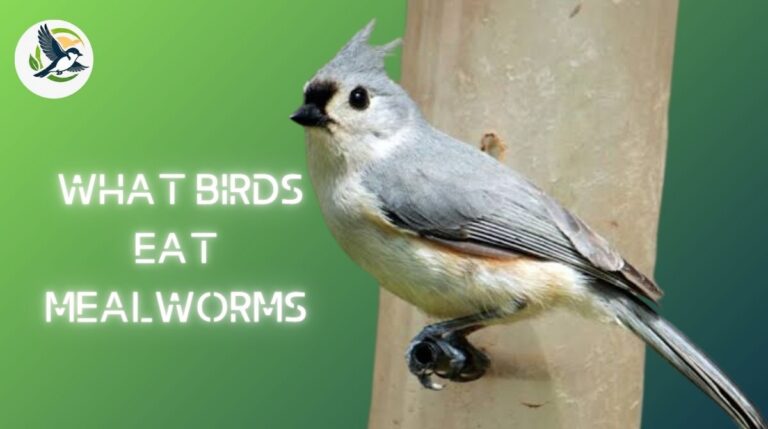
Beyond just protein, insects play a crucial role in the diet of many birds, especially in the spring and summer. Species like warblers and robins thrive on caterpillars and beetles, which help their chicks grow strong and healthy, underscoring the connection between food sources and breeding success.
Fruits
Birds have a keen sense for ripe fruits, from apples to berries, and they act as vital dispersers of seeds. By consuming fruits, birds not only nourish themselves but also aid in the propagation of plant species, creating a reciprocal relationship that fuels the ecosystem.
Nectar
Hummingbirds are not the only ones who sip on nectar. Various species, including certain parrots and honeyeaters, have specialized tongues that allow them to extract this sugary liquid from flowers, making them key players in pollination and the health of flowering plants.
Nuts
Many birds, such as jays and woodpeckers, are adept at cracking open nuts to access the high-fat content within. Some even cache their finds for leaner times, demonstrating remarkable planning and memory abilities, which can even reshape the environments they inhabit.
Berries
Packed with antioxidants, berries are favorites among birds like thrushes and waxwings. Their colorful hues not only attract feathered friends but also provide a seasonal feast that supports energy needs during migration.
Worms
The sight of a robin pulling a worm from the ground is a classic image of a bird’s diet in action. Worms are rich in protein and moisture, making them a prime source of nutrition, especially for birds raising young.
Fish
Some remarkable birds, like ospreys and kingfishers, have adapted to hunt fish with precision. These aquatic moves involve incredible diving skills and sharp eyesight, highlighting the versatility and adaptability of birds in various habitats.
Grains
Field birds, such as quails and doves, are commonly found foraging in agricultural areas for grains like corn and wheat. These carb-rich foods enable them to build fat reserves, critical for migration and survival in harsh climates.
Small Rodents
Owls and hawks enjoy a hearty diet of small rodents, which provide not just sustenance but also intel into the health of ecosystems. The predatory role these birds play helps control rodent populations, maintaining a delicate balance in their habitats.
How Do Birds Find Their Food?
Sensory Mastery: Birds are equipped with remarkable sensory adaptations that allow them to locate food. Their vision is often sharp, enabling them to spot insects or seeds from great distances. For instance, raptors like eagles can see ultraviolet light, which helps them detect urine trails of rodents, a hidden feast!
Foraging Techniques: Various species employ unique foraging strategies tailored to their diets. Woodpeckers drum to expose insects beneath tree bark, while seabirds like albatrosses glide for miles, using wind currents to conserve energy as they search for fish. Each technique showcases a bird’s evolutionary mastery in accessing their preferred foods, whether it be seeds, nectar, or small mammals.
Social Learning: Birds often learn from one another. Blue jays, for example, are known to observe their peers, quickly picking up on new food sources. This social aspect of foraging is fascinating; it means that birds can adapt and thrive in changing environments by sharing vital information about what birds eat, enhancing their survival skills in ways that continue to evolve.
How Bird Diets Change With the Seasons
In spring, as the thaw begins, birds transition from a diet primarily consisting of seeds and nuts to an abundance of insects and blossoms. This shift not only replenishes their energy after winter but also plays a crucial role in feeding their growing chicks. The arrival of fresh green foliage tempts many species to explore new feeding techniques, such as probing deep into flowers for nectar.
Come summer, many birds become more opportunistic foragers, adapting their diets based on what’s plentiful. Berries start to ripen, providing essential sugars during the hot months. Some species, like Blue Jays, stockpile these fruits, ensuring a food reserve as the vegetation begins to dwindle. Meanwhile, insect populations thrive, allowing insectivorous birds to feast and thrive.
As autumn approaches, the preparation for winter takes center stage. Birds start fattening up in anticipation, shifting their focus to high-energy foods like acorns and seeds. Flocks of migrating species, such as geese and songbirds, band together, utilizing communal knowledge of productive feeding grounds to maximize their intake before the colder months set in. This seasonal dance showcases not just survival, but a profound connection to the rhythms of nature, reminding us that adaptability is the bedrock of avian life.
Final Words
In summary, understanding what do birds eat is essential for both bird enthusiasts and casual observers alike. From seeds and fruits to insects and small animals, the diet of birds varies significantly among different species. By knowing these dietary preferences, you can create a more inviting environment for them in your backyard.
Increase your chances of spotting more feathered friends. Remember, each bird is unique, and observing their eating habits can be both exciting and educational. So, grab your binoculars and start exploring the fascinating world of avian diets today!
FAQs
What do birds eat?
Birds have diverse diets that vary by species. Many common birds, like sparrows, primarily eat seeds and grains. Others, such as robins, enjoy a mix of fruits, insects, and worms.
What is the diet of a bird for kids?
Birds have varied diets depending on their species. Some birds, like sparrows, primarily eat seeds and grains. Others, like robins, enjoy fruits and insects. Many birds are also great at catching small bugs, which helps them get protein.
Which bird eats the most food?
The bird that consumes the most food relative to its size is generally considered to be the Ruby-throated Hummingbird. These tiny birds have incredibly high metabolic rates, which require them to eat frequently throughout the day.