Crested Caracara: 15 Fascinating Facts About This Unique Bird of Prey
Did you know that the Crested Caracara is often called the “Mexican Eagle”? This striking bird of prey stands out not only for its majestic appearance but also for its fascinating behaviors and adaptations.
Understanding the Crested Caracara can deepen your appreciation for avian diversity and ecology. In this article, we’ll explore 15 intriguing facts about this unique bird, revealing why it deserves a special place in the hearts of bird enthusiasts and nature lovers alike.
What Makes the Crested Caracara So Unique?
The Crested Caracara stands out not only for its striking appearance but also for its fascinating behavior. With a distinctive black cap and a crown of ruffled feathers, this bird of prey combines the majesty of a raptor with a unique charm. Unlike most raptors that prefer height for hunting, the Crested Caracara often forages on the ground, showcasing its adaptability. This characteristic allows it to scavenge alongside larger animals, often being seen probing through the remains left by other predators.
In addition to its hunting habits, the Crested Caracara is known for its vocalizations, which range from cackle-like calls to more melodic notes. These sounds, often echoing through the open landscapes of its habitat, help maintain social bonds within flocks.
What Does a Crested Caracara Eat?
The Crested Caracara, with its striking black and white plumage, embodies resilience in its diet. Primarily scavengers, these birds are often found feasting on carrion, showcasing their opportunistic nature. They play a crucial role in their ecosystem by cleaning up the landscape, thus preventing the spread of disease.
However, their diet extends beyond mere leftovers. Crested Caracaras are known to hunt small mammals, reptiles, and even insects when the opportunity arises. This adaptability allows them to thrive in diverse habitats, from open fields to coastal regions, revealing a unique interplay between scavenging and hunting.
Interestingly, their feeding habits also intersect with human activities. In agricultural areas, Crested Caracaras are often spotted near livestock, where they help control rodent populations, creating a natural balance. Their keen eyesight and strategic foraging strategies ensure that these birds remain vital players in their ecological niche.
How Does the Crested Caracara Hunt for Food?
The Crested Caracara showcases a fascinating blend of opportunism and intelligence in its hunting methods. Unlike many other birds of prey, this striking raptor often employs a strategy that combines both scavenging and active hunting. While it readily feeds on carrion, the Crested Caracara isn’t above pursuing live prey, demonstrating remarkable adaptability in various environments, from open grasslands to arid regions.
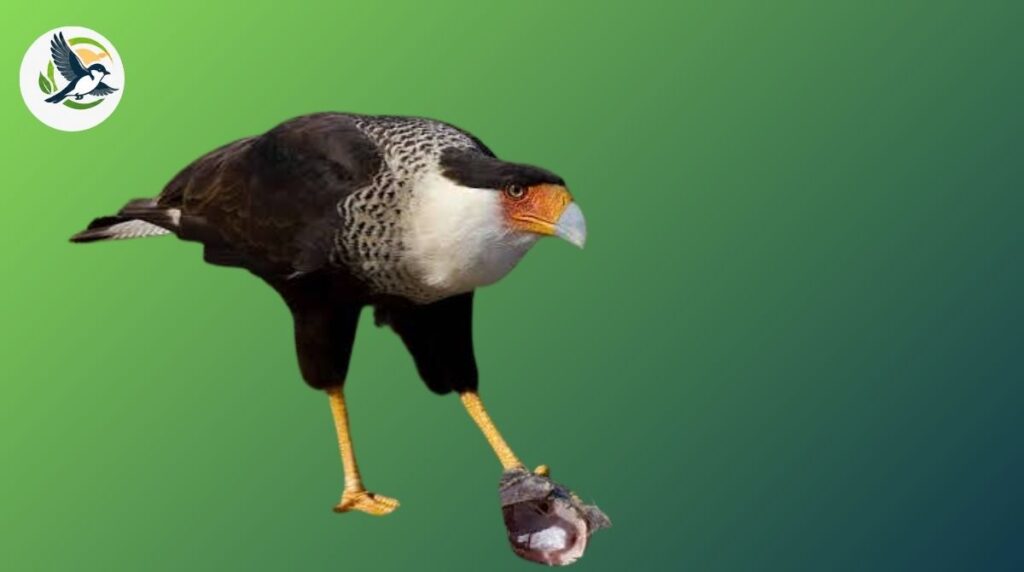
One of its most impressive techniques involves using its keen eyesight to spot potential meals from a distance. Once it identifies a target, the Crested Caracara skillfully swoops down in a low, direct flight, often catching unsuspecting rodents or reptiles off guard.
What Does a Crested Caracara Look Like?
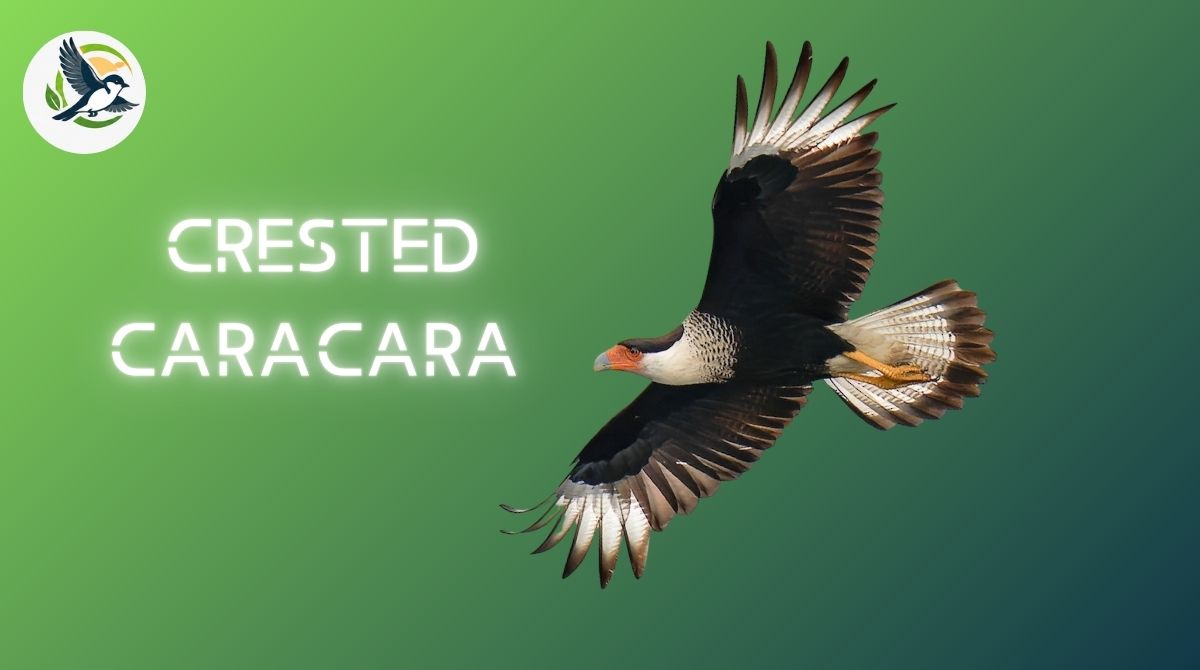
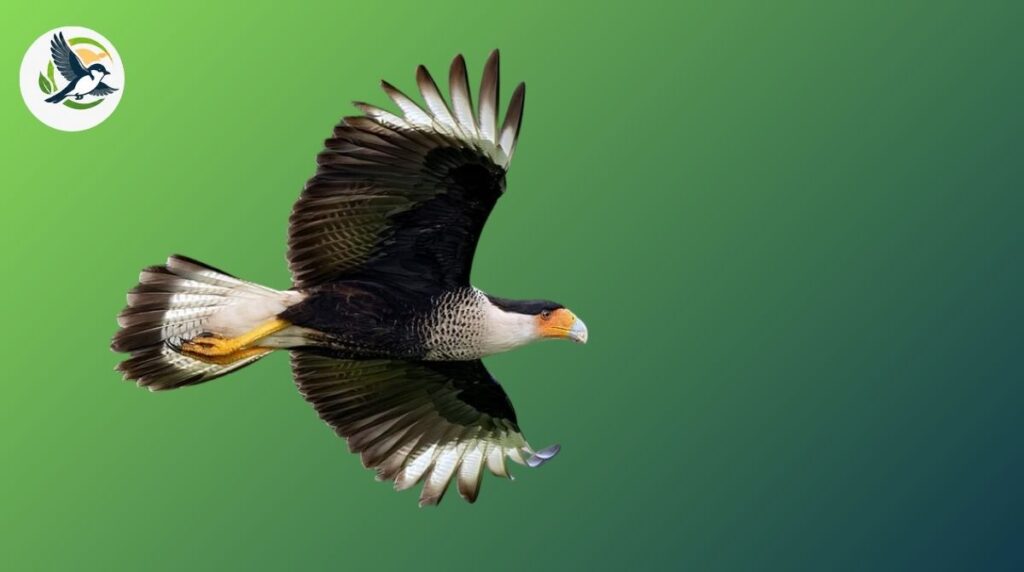
The Crested Caracara is a striking bird that commands attention with its bold appearance. Characterized by its distinctive black crown and long, curved crest, this raptor stands out in the open landscapes it often inhabits. The bird boasts a striking contrast of rich brown plumage, accented by a white head and neck, giving it a regal presence as it glides through the skies or perches prominently on roadside posts.
One of the most captivating features of the Crested Caracara is its bright orange facial skin, which adds an intriguing splash of color to its overall look. This bird is not just about aesthetics; its sturdy beak and strong legs enable it to hunt small rodents, reptiles, and even scavenge on carrion. With a wingspan of up to 4 feet, the Crested Caracara is an agile flyer, often spotted effortlessly soaring over its territory.
Read more: Shoebill Bird: 15 Facts About The Giant African Bird That Looks Like a Living Dinosaur
Top 15 Fascinating Crested Caracara Facts
- They Are Members of the Falcon Family
- They Spend More Time Walking Than Flying
- They Are Skilled Scavengers
- They Also Hunt Live Prey
- Their Bare Face Changes Color
- They Have Long Legs for Walking
- They Build Large Stick Nests
- Both Parents Care for the Chicks
- They Can Live for Many Years
- They Are Highly Intelligent Birds
- They Often Feed Along Roadsides
- They Have a Distinctive Upright Crest
- They Thrive in Open Grasslands and Ranches
- They Are Found in Parts of North and South America
- They Play an Important Role in the Ecosystem
Final Words
In conclusion, the Crested Caracara stands out as a truly remarkable bird of prey with its striking appearance and unique behaviors. As we’ve explored, these fascinating creatures are not just skilled hunters; they possess a diverse diet that includes scavenging, showcasing their adaptability in various environments. Their social structures and strong pair bonds offer insight into their intelligent and complex nature.
Understanding and appreciating the Crested Caracara can deepen our connection to nature and highlight the importance of conservation efforts for their habitats. So, next time you spot one soaring overhead, take a moment to admire this incredible bird and its vital role in our ecosystem.
FAQs
Is the Crested Caracara native to Texas?
Yes, the Crested Caracara is native to Texas, particularly in the southern regions of the state. These birds are commonly found in open landscapes such as grasslands and savannas.
Is the Crested Caracara rare?
The Crested Caracara is not considered rare, but its population varies by region. In the United States, particularly in Florida and parts of Texas, you can find them more commonly.
Is a caracara a Mexican eagle?
No, a caracara is not a Mexican eagle. While it’s often associated with Mexico and can be found across North America, it actually belongs to the family Falconidae.