Different Types of Geese: 20 Amazing Goose Species to Know
Understanding the different types of geese not only enhances your appreciation for these remarkable birds but also sheds light on their diverse habitats and behaviors. Did you know that there are over 20 distinct species of geese roaming our planet?
Whether you’re an avid bird watcher or simply curious about wildlife, exploring the fascinating traits of each species can deepen your connection to nature. Join us as we take a closer look at 20 amazing goose species that are worth knowing.
What Are the Different Types of Geese?
When exploring the different types of geese, one might be surprised by the diversity within this remarkable avian family. Among the most well-known are the Canada Goose, easily identified by its striking black head and white cheek patches. These social birds often form large flocks, making them a common sight in parks and lakes across North America. Yet, their adaptability has also led them to urban settings, where their honking can be heard amid city sounds.
Another fascinating species is the Emperor Goose, which brings a unique charm to coastal regions. With its distinctive gray plumage and bright orange bill, this bird is a beloved sight for birdwatchers. Unlike the larger flocks of Canada Geese, Emperor Geese tend to be more discreet and often forage in smaller groups, preferring the quieter shores of Alaska and the Aleutian Islands.
10 Common Goose Species and Their Names
Below is the list of 10 common goose species.
- Canada Goose
- Greylag Goose
- Snow Goose
- Greater White-fronted Goose
- Barnacle Goose
- Brant Goose
- Pink-footed Goose
- Egyptian Goose
- Ross’s Goose
- Bean Goose
Canada Goose
Easily recognizable by its black head and white cheek patches, the Canada Goose has adapted remarkably well to urban environments, often seen honking as it waddles through parks and golf courses.
Greylag Goose
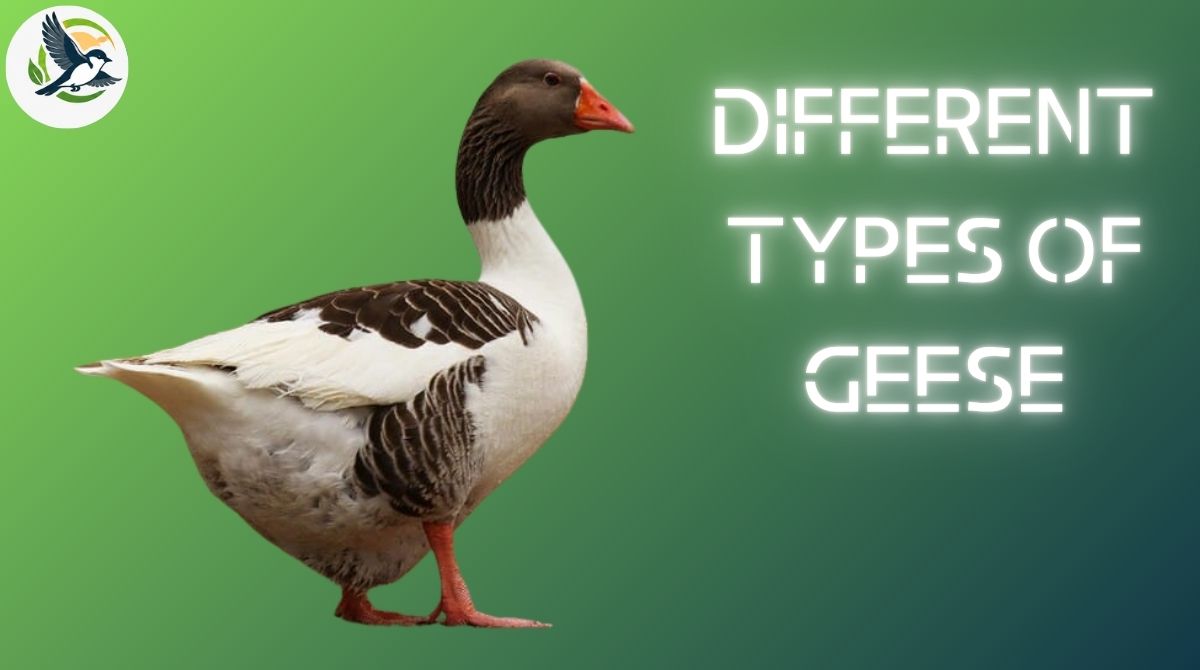
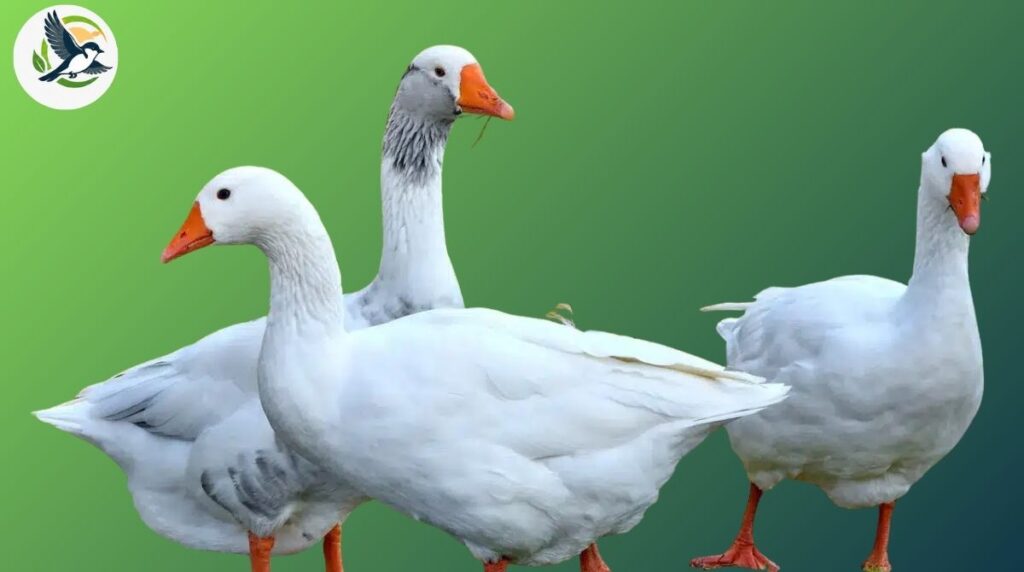
This iconic species is often credited as the ancestor of domesticated geese. With its gray-brown plumage and vibrant orange bill, the Greylag’s resilience has made it a common sight across Europe and Asia.
Snow Goose
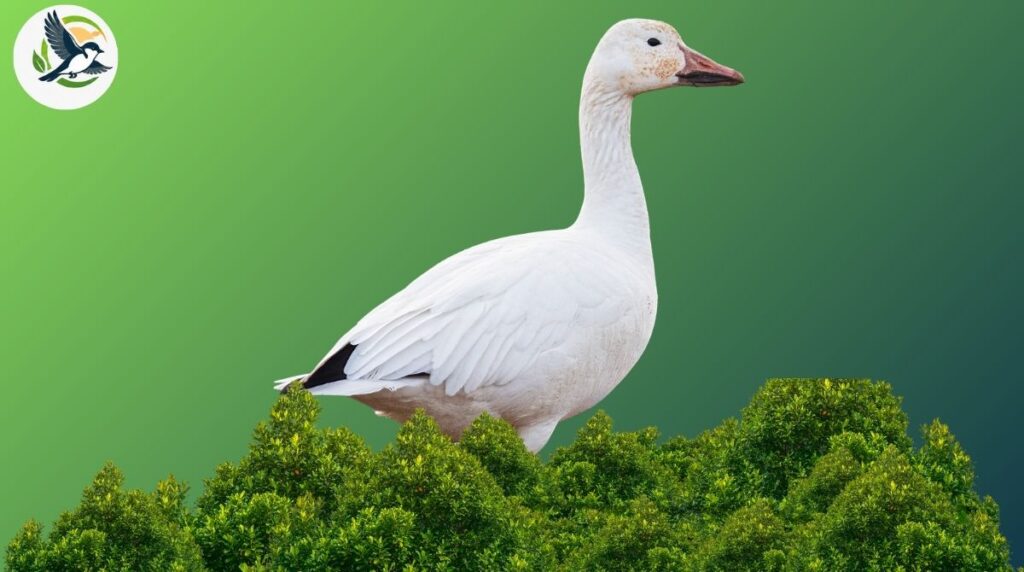
Known for its stunning white feathers and black wing tips, the Snow Goose stands out among other species. This bird’s migration patterns are just as impressive, as hundreds of thousands flock together in breathtaking formations.
Greater White-fronted Goose
With its unique white facial markings, the Greater White-fronted Goose is often sighted in wetlands and agricultural fields. This species demonstrates fascinating migratory behavior, traveling thousands of miles between breeding grounds in the Arctic and winter habitats in the southern U.S.
Barnacle Goose
This striking bird, with its bold black and white coloration, is particularly famous for its breeding grounds in the Arctic. Interestingly, legend has it that they were once thought to grow from barnacles, adding a layer of mystery to their appeal.
Also read more: Black Birds: 10 Amazing Black Bird Species and Their Names
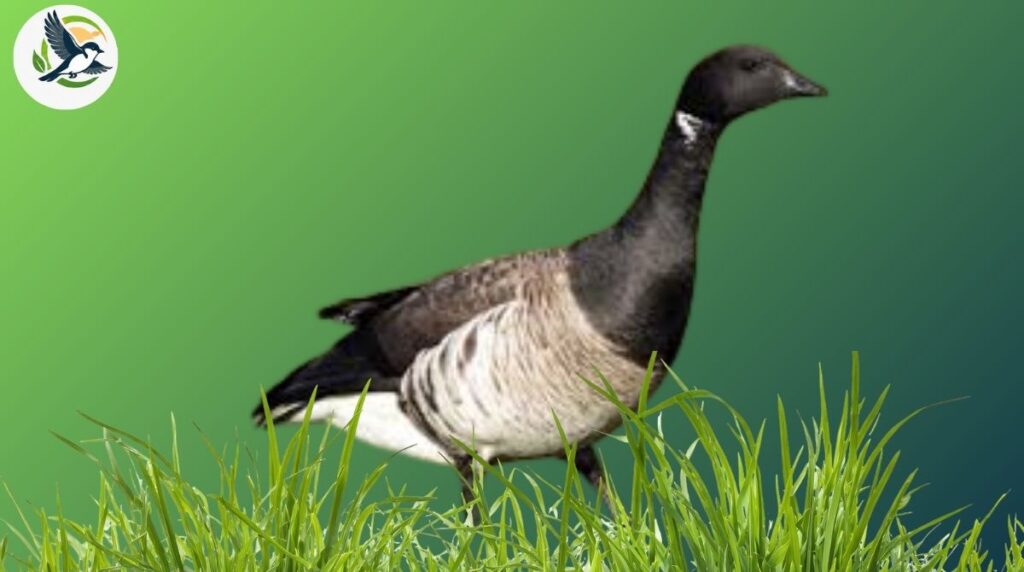
Brant Goose
Compact and dark in color, the Brant has a distinctive, hard-to-miss appearance. These geese are often associated with coastal habitats, making their presence a delight for bird watchers along shorelines.
Pink-footed Goose
Identified by its pinkish-orange feet and bill, this species can be found grazing in open fields during migration. Their honking calls can often be heard in the wetlands of northern Europe, especially in winter.
Egyptian Goose
With its unique cosmetic features, the Egyptian Goose stands out among its relatives. This species has an unusual history, having been revered in ancient Egyptian culture, often seen in hieroglyphics.
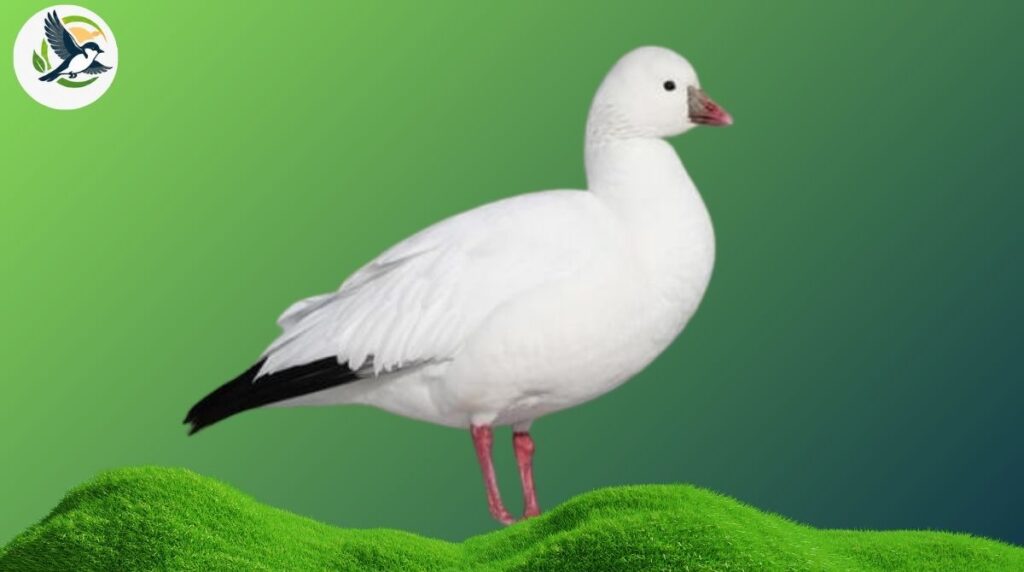
Ross’s Goose
Smaller and less common than its relatives, the Ross’s Goose is known for its charming appearance and distinctive blue-gray bill. Its migratory habits reveal a strong preference for small ponds and marshes, providing a serene setting for bird enthusiasts.
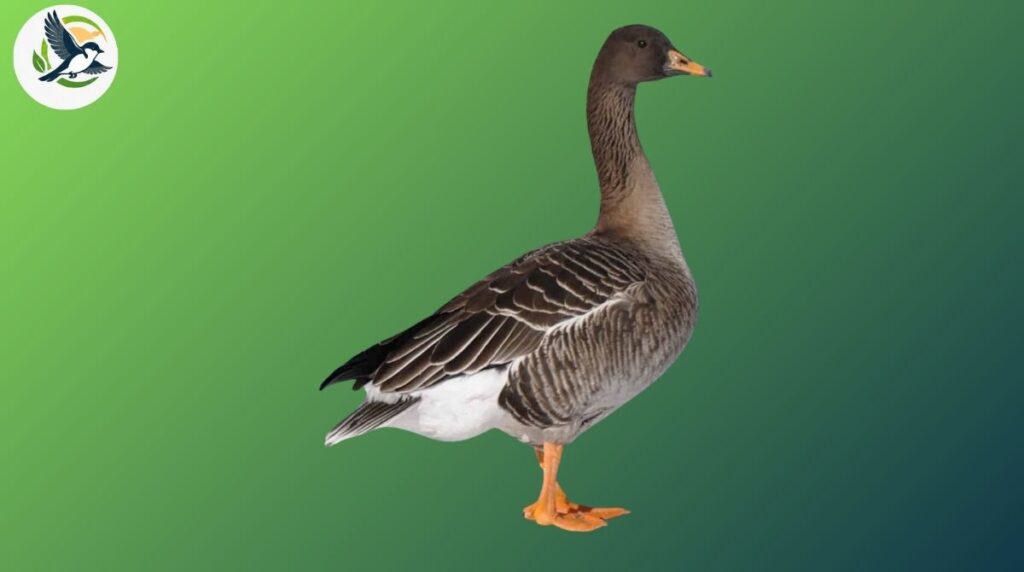
Bean Goose
Often overlooked, the Bean Goose presents a robust frame and subtle feather patterns. Found primarily in Europe, its presence is a reminder of the rich diversity within the waterfowl family, with each species carrying its own unique story.
Large Goose Species With Impressive Size
Among the types of geese in North America, the Canada Goose reigns supreme, boasting an impressive wingspan that can reach up to six feet. Known for its distinctive black neck and white cheeks, this bird is not just a stunning sight but also a robust symbol of adaptability. As they migrate, these large geese navigate vast distances, showcasing their remarkable endurance and social behavior. They often perform breathtaking formations in the sky, a striking reminder of the beauty of nature’s coordination.
Another fascinating member of the American goose breeds is the Giant Canada Goose. As a subspecies, it captures attention due to its extraordinary size, often weighing over 14 kilograms. Their size isn’t just for show; it plays a role in their ecological niche, as these geese are proficient foragers, thriving in various habitats.
Small Geese and Distinctive Goose Species
Among the fascinating goose breeds, small geese often capture the attention of bird enthusiasts due to their unique characteristics and charming personalities. The American geese are particularly noteworthy; they encompass a variety of smaller breeds that thrive in diverse environments. With their compact size, these geese are not just endearing; they also play crucial roles in their ecosystems. Their grazing habits help maintain grasslands, promoting healthier habitats for other wildlife.
Distinctive species, such as the Chinese goose, showcase remarkable features like a prominent knob on their heads and a unique honking call. These breeds of geese are not just visually appealing; they also exhibit fascinating social behaviors that can captivate anyone observing them. Additionally, smaller breeds like the Sebastopol goose stand out with their curled feathers and gentle disposition, making them ideal companions in backyard flocks.
Wild Geese vs. Domestic Geese
When exploring the types of geese in North America, a stark contrast emerges between wild and domestic varieties. Wild geese, like the Canada goose, are often seen soaring in V-shaped formations, embodying the spirit of freedom. These birds are highly adaptable, migrating thousands of miles each year, guided by instinct and environmental cues. Their impressive navigation skills and natural foraging habits underline their essential role in ecosystems, as they help maintain wetlands and grasslands.
In contrast, domestic geese have been bred for specific traits, such as size, temperament, and egg production. These geese are usually larger and more docile, making them well-suited for farm life. Unlike their wild counterparts, domesticated varieties have lost many survival instincts, relying heavily on humans for care and shelter.
Final Words
In summary, the world of geese is as diverse as it is fascinating, with each species bringing its unique characteristics and behaviors to the table. From the majestic Canada Goose to the striking Barnacle Goose, there’s so much to explore and appreciate.
Understanding Different Types of geese can deepen our connection to nature and inspire us to protect their habitats. Whether you’re a birdwatching enthusiast or just someone who loves the outdoors, knowing about these amazing creatures enhances your appreciation for wildlife. So next time you’re out and about, take a moment to look up and admire the geese around you!
FAQs
How do you say Multiple Geese?
The correct term for more than one goose is “geese.” It’s a classic example of an irregular plural in English. So, instead of saying “geeses,” just use “geese” when referring to multiple birds.
Is Goose or Geese Plural?
“Goose” is the singular form, while “geese” is the plural. So when you’re talking about one bird, you say “goose.” If you have more than one, you refer to them as “geese.”
In English, many animal names have unique plurals. This is one of those cases, just like “mouse” and “mice.” So next time you see a flock, remember it’s a group of geese, not gooses!
Why do we Say Geese but not Meese?
The word “geese” is simply the plural form of “goose,” which comes from Old English “gōs.” The irregular plural formation is quite common in English, as seen in other examples like “mice” for “mouse.” English has many words with unique plural forms that don’t follow the standard rule of adding “-s” or “-es.”