Flappy Birds: 15 Amazing Birds With Powerful Wingbeats
When it comes to the avian world, few things are more captivating than Flappy Birds and their impressive wingbeats. These remarkable creatures not only contribute to the rich tapestry of our ecosystems, but their unique flying abilities can inspire flight enthusiasts and nature lovers alike.
In this informational guide, we’ll explore 15 amazing birds renowned for their powerful wingbeats, showcasing their adaptations and the vital roles they play in their habitats. By the end, you’ll appreciate the beauty and strength of these feathered wonders even more.
What Are Flappy Birds and Why Do They Flap Their Wings So Fast?
Flappy Birds, those delightfully quirky avian characters, are not just playful icons in a mobile gaming craze; they symbolize perseverance and the whimsical challenge of simplicity. Their rapid wing flapping reflects a survival instinct, mimicking how real birds navigate the complex environments they inhabit. This frenetic movement not only propels them through pixelated pipes but also taps into our innate desire for quick satisfaction and instant rewards. As players, we find ourselves immersed in an endless loop of retrying, where every flap translates to hope and a tiny burst of adrenaline.
The allure of Flappy Birds lies in their combination of cartoonish charm and frustrating difficulty, prompting moments of joy and frustration alike. This dynamic creates a unique bonding experience among players, fostering a sense of community as they share tips and high scores.
Top 5 Small Birds Known for Rapid Wingbeat
Below is the list of the Top 5 Small Birds Known for Rapid Wingbeat:
- Hummingbird
- Goldcrest
- Bushtit
- Common Chiffchaff
- Blue Tit
Hummingbird
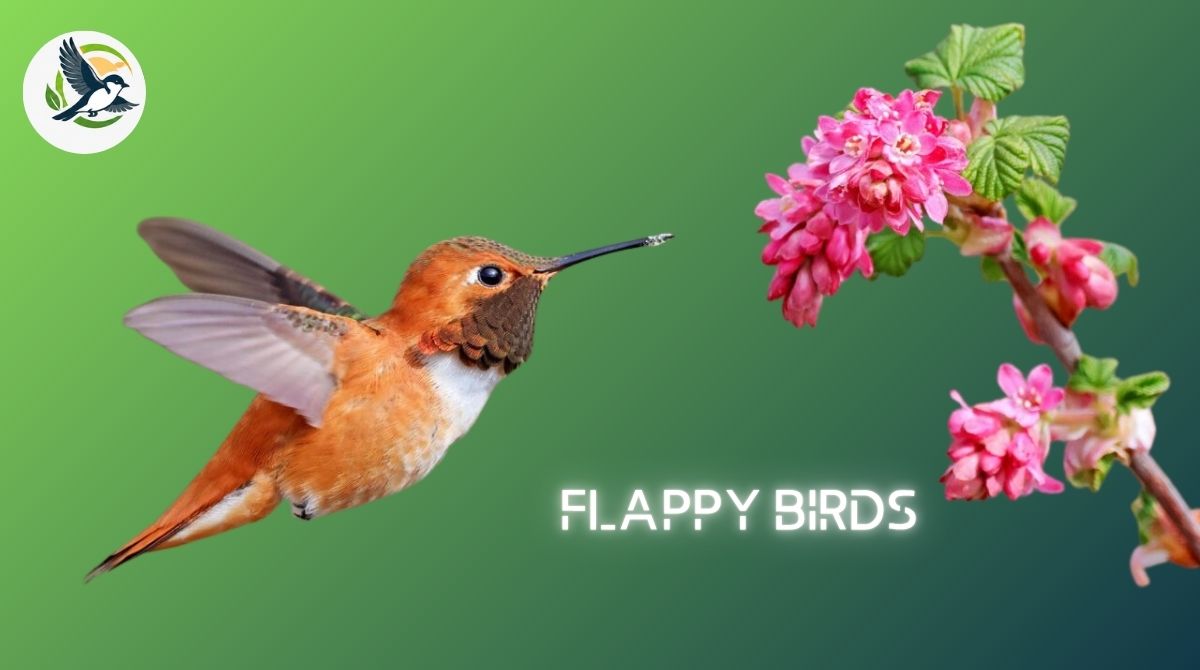
Renowned for their incredible agility, hummingbirds can flap their wings up to 80 times per second. This rapid wingbeat allows them to hover in mid-air, gracefully maneuvering from flower to flower. Their vibrant plumage reflects sunlight, creating a mesmerizing display that complements their speedy movements as they sip nectar, showcasing both beauty and athleticism in a compact package.
Goldcrest
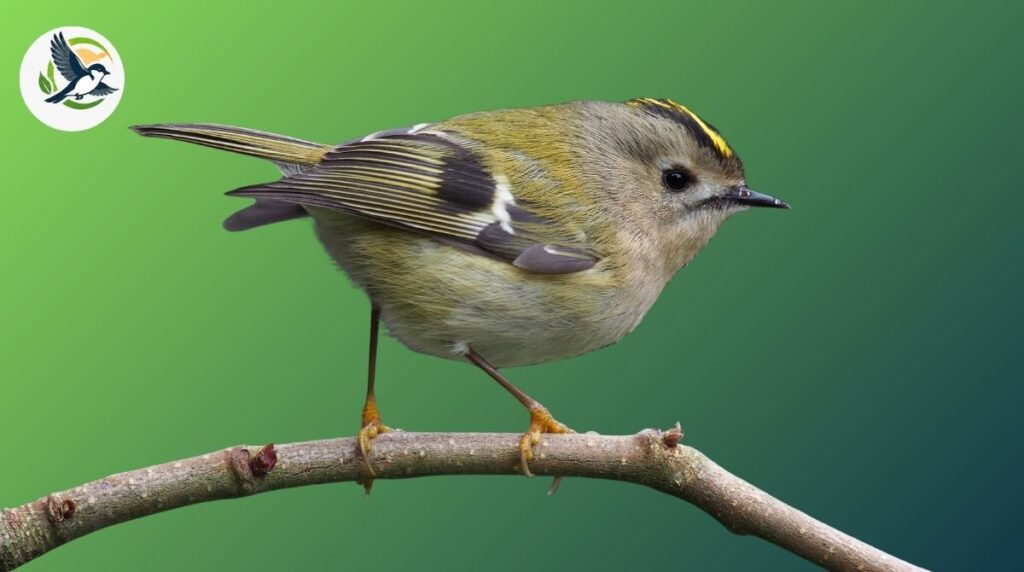
The smallest bird in Europe, the Goldcrest, has a surprisingly vigorous wingbeat that belies its diminutive size. This lively little creature flits energetically through coniferous forests, often seen darting between branches in search of tiny insects. Their rapid wingbeats help them evade predators, making them not only agile but remarkably clever.
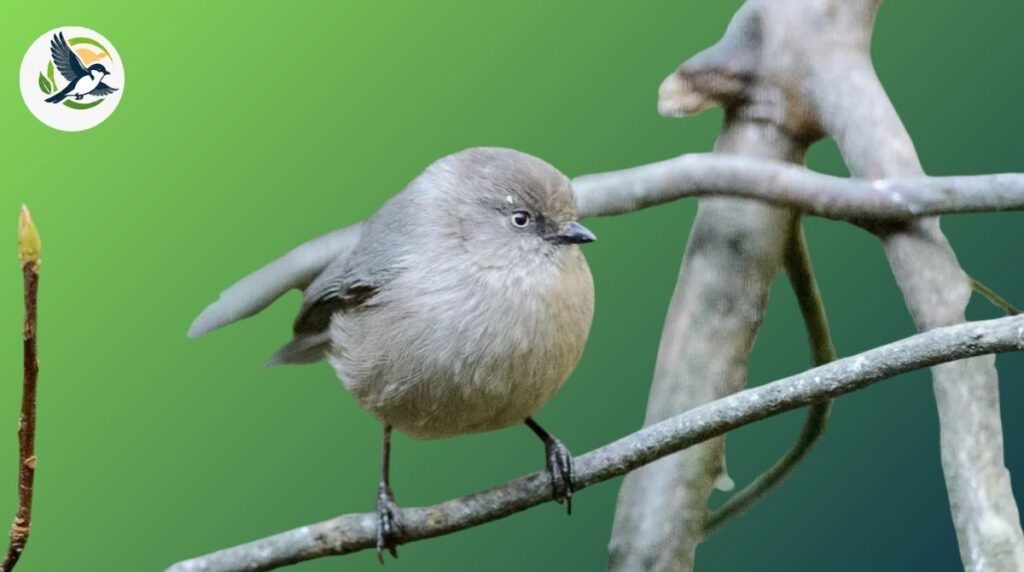
Bushtit
These small, social birds are characterized by their lively chatter and swift wingbeats. Bushtits engage in acrobatic flight as they move in flocks, often swinging upside down while feeding. Their rapid wing movement enables them to navigate dense foliage seamlessly, allowing them to thrive in their shrub-dominated habitats.
Common Chiffchaff
Constantly in motion, the Common Chiffchaff has a strong, persistent wingbeat that reflects its energetic personality. This small warbler is known for its distinctive song, often delivered while flitting about energetically in search of food. Their lively wing activity not only aids in foraging but also plays a big role in attracting mates, blending sound with swift action.
Blue Tit
Elegantly adorned with vibrant blue and yellow feathers, the Blue Tit is not just a sight to behold but also a marvel of quick movement. Their rapid wingbeats allow them to navigate various habitats, from gardens to woodlands. Known for their nature, they often exhibit energetic flight patterns as they inspect potential feeding sites, making them a delightful watch for nature enthusiasts.
Top 5 Birds That Hover Using Powerful Wingbeats
Below is the list of the Top 5 Birds That Hover Using Powerful Wingbeats:
- Ruby-throated Hummingbird
- Pied Kingfisher
- American Kestrel
- White-tailed Kite
- Eurasian Kestrel
Ruby-throated Hummingbird
This little powerhouse is not only a visual delight with its iridescent plumage but also a marvel of engineering. Able to flap its wings around 80 times per second, the Ruby-throated Hummingbird can hover with astounding precision, allowing it to feed on nectar from flowers while maintaining a perfect position. This incredible agility also makes it a master of aerial acrobatics, darting in and out of flower patches and evading predators.
Pied Kingfisher
Known for its striking black-and-white plumage, the Pied Kingfisher showcases a unique hovering technique while hunting. By beating its wings rapidly, this bird can remain suspended in mid-air, scanning the water below for fish. Their precise hovering allows them to dive with pinpoint accuracy, making them incredibly efficient hunters in their aquatic habitats.
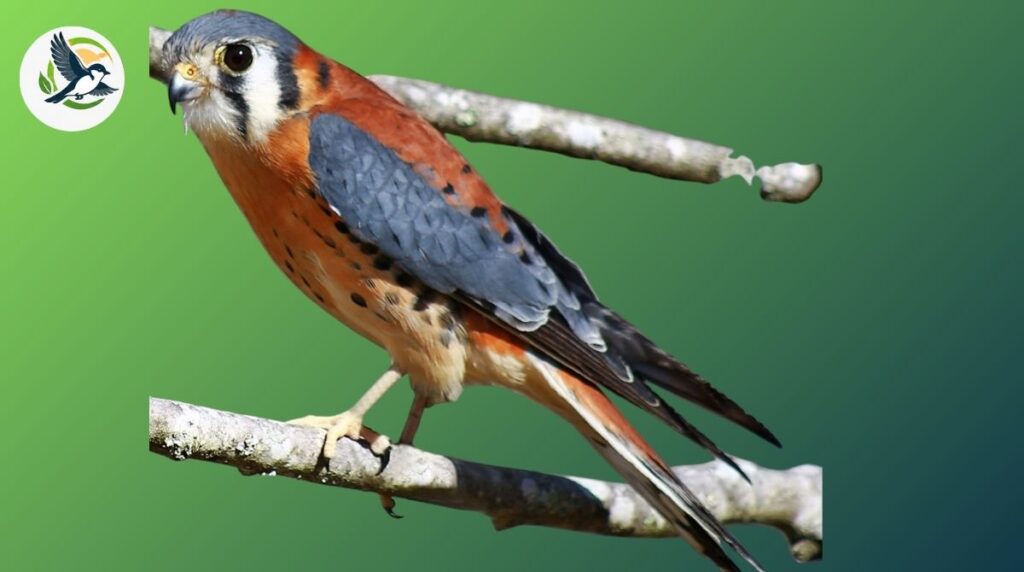
American Kestrel
As North America’s smallest falcon, the American Kestrel is often seen hovering over fields and open spaces. With its ability to maintain a steady position against the wind, it expertly searches for prey, such as insects and small rodents. This skillful hovering not only highlights the kestrel’s remarkable wing control but also its capacity to adapt to various environments, showcasing the versatility of this diminutive raptor.
White-tailed Kite
Renowned for its graceful hovering, the White-tailed Kite remains a stunning example of aerial mastery. Unlike other birds of prey, it uses a unique method called “kiting,” where it flaps its wings rapidly while facing into the wind. This technique helps it maintain altitude, allowing a longer sight of its next meal and enhancing its hunting success in open grasslands.
Eurasian Kestrel
Similar to its American cousin, the Eurasian Kestrel employs expert hovering techniques to hunt. What sets it apart is its ability to hover in variable wind conditions, making it a proficient predator across diverse habitats. The sight of a Eurasian Kestrel effortlessly suspended against the sky, surveying the landscape, is a testament to the sophisticated evolutionary adaptations that enable this bird to thrive.
Top 5 Birds That Depend on Continuous Flapping for Flight
Below is the list of the Top 5 Birds That Depend on Continuous Flapping for Flight:
- European Starling
- Rock Pigeon
- Barn Swallow
- Common Swift
- House Sparrow
European Starling
Known for its dazzling plumage and acrobatic flight, the European Starling thrives on continuous flapping. This bird’s remarkable agility allows it to perform breathtaking aerial maneuvers, making it a master of flock dynamics. The starlings’ coordination in groups, especially during murmurations, showcases a reliance on steady wingbeats to navigate the sky and evade predators.
Rock Pigeon
The Rock Pigeon, often found in urban settings, epitomizes the art of perpetual flight. Its powerful muscles and rapid wing beats enable it to cover long distances, making it ideal for urban survival and mobility. These birds not only rely on flapping for flight but also use their agility to adapt to changing environments, showcasing resilience in the face of urban challenges.
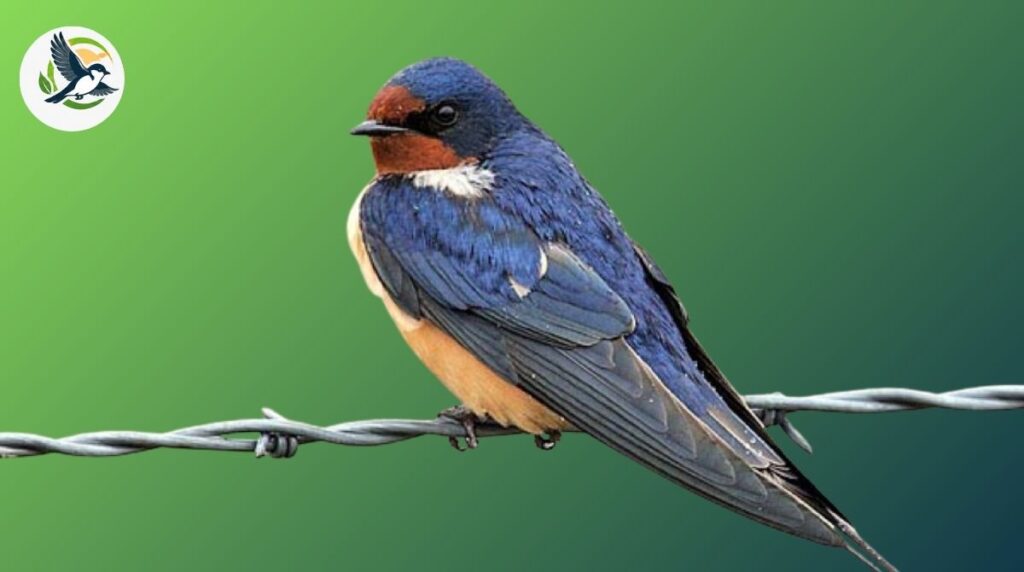
Barn Swallow
The Barn Swallow elegantly illustrates the beauty of continuous flapping with its gracefully arched wings. Known for their agile feeding patterns, they rely on consistent wing motion to catch insects mid-flight. Their ability to fly at low altitudes makes them experts in maneuvering through varied landscapes, showcasing a balance between adaptability and energy efficienc
Common Swift
Renowned for its incredible aerial prowess, the Common Swift spends most of its life in the air, flapping continuously even while sleeping. Its long wings and streamlined body are designed for sustained flight, allowing it to travel vast distances without landing. This specialization not only conserves energy but also provides a unique perspective on how life in the air can diverge from life on solid ground.
House Sparrow
Often overlooked, the House Sparrow relies on continuous flapping to navigate between urban locales and find food. These small birds exhibit remarkable adaptability, using their flight skills to dart between buildings and trees. Their everyday resilience symbolizes the importance of being agile in both survival and community building in our ever-changing environments.
How Do Different Wing Shapes Affect a Bird’s Flapping Style?
Different wing shapes play a crucial role in defining how Flappy Birds navigate their environments. For instance, birds with long, narrow wings are often skilled at gliding, using less energy during flight. This design allows them to cover great distances with minimal flapping, showcasing a chic elegance in their movements. In contrast, birds with broad, rounded wings adopt a more vigorous flapping style, enabling quick take-offs and agile maneuvers, perfect for navigating dense forests or bustling urban landscapes.
Unique wing configurations also influence the rhythm and tempo of a bird’s flapping. For example, a hummingbird’s short, fan-like wings allow for rapid flaps, which not only aid in hovering but also enable impressive feats like flying backward.
Final Words
In summary, the world of birds is filled with incredible species that showcase powerful wingbeats, just like the iconic Flappy Birds. Each of the 15 amazing birds we’ve explored demonstrates unique adaptations that allow them to thrive in their environments.
From the agile hummingbird to the mighty eagle, these winged wonders remind us of nature’s remarkable diversity. Understanding these birds not only enhances our appreciation for wildlife but also emphasizes the importance of preserving their habitats. So, let’s celebrate these extraordinary creatures and do our part to protect them!
FAQs
Why are these birds considered amazing?
These birds have unique adaptations that enable them to fly efficiently in environments, making them stand out in the avian world.
Can I find information on each bird in the guide?
Absolutely! Each bird entry includes fascinating facts about its habitat, diet, and distinct flying techniques.
What Bird is a Flappy Bird?
Flappy Bird is a simple yet addictive mobile game created by Vietnamese developer Dong Nguyen. Released in 2013, it features a small bird that players control as it navigates through a series of green pipes. The objective is to tap the screen to keep the bird airborne while avoiding collisions with the pipes.