Birds That Fly at Night: Top 10 Amazing Species Active After Dark
Many people are surprised to learn that not all birds are content to soar through the sky in the brightness of day; in fact, there are fascinating species that take to the air when the sun goes down.
Here we’ll explore the world of birds that fly at night, showcasing the top 10 amazing species that thrive in the dark. From unique hunting strategies to striking adaptations, these nocturnal avians play a crucial role in their ecosystems. By the end, you’ll have a greater appreciation for these incredible creatures and their nighttime habits.
What birds fly at night?
Many birds that fly at night have adapted their lifestyles to take advantage of the calm, cool air that blankets the earth after sunset. This behavior, often influenced by instinct, helps them avoid daytime predators while also reducing competition for food. Nocturnal hunters like owls have evolved exceptional night vision and acute hearing, allowing them to locate prey in the dark with astonishing precision.
Moreover, flying at night can also be a strategy for navigating migratory routes. Many species use the stars for navigation, making nighttime travel more efficient and helping them stay on course.
Adaptations That Help Night Flying Birds Navigate in Darkness
Night-flying birds exhibit a fascinating array of adaptations that enhance their survival in the darkness. Their unique nocturnal bird behavior often includes heightened low-light vision, enabling species like owls to see in near-total darkness. These birds possess a higher number of rod cells in their retinas, which are specialized for detecting light. This adaptation, combined with a tapetum lucidum, a reflective layer behind the retina, boosts their ability to spot prey in minimal light.
Moreover, many night-flying bird species utilize remarkable bird hearing adaptations that allow them to detect sounds far better than their diurnal counterparts. For instance, the asymmetrical ear placement in some owls enhances their ability to pinpoint the location of sounds, making them exceptional nocturnal hunters.
Top 10 Birds That Fly at Night
Below is the list of the top 10 birds that fly at night.
- Barn Owl
- Eastern Whip-poor-will
- Common Nighthawk
- European Nightjar
- Tawny Owl
- Northern Saw-whet Owl
- Great Horned Owl
- Potoo
- Black-crowned Night Heron
- Sooty Shearwater
Barn Owl
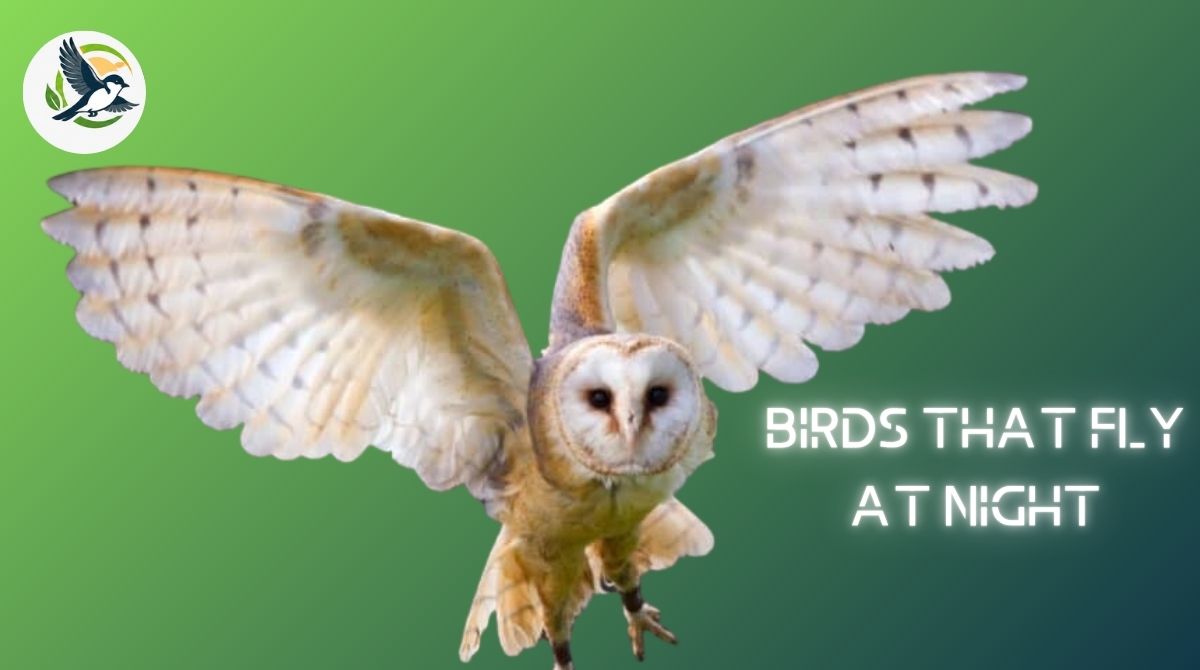
Renowned for its heart-shaped face and ghostly appearance, the Barn Owl hunts with exceptional hearing, capable of detecting prey in complete darkness. Its silent flight allows it to glide undetected, striking fear into the small mammals it preys upon.
Eastern Whip-poor-will
This nocturnal singer captivates with its distinctive call, echoing through warm nights. Prowling through forests and fields, it blends seamlessly into its surroundings, providing a serene yet eerie soundtrack to the twilight hours.
Common Nighthawk
With its unique camouflage and acrobatic flight, the Common Nighthawk is a master of aerial insect hunting. As dusk settles, its impressive erratic swoops and dives become a mesmerizing sight against the night sky.
European Nightjar
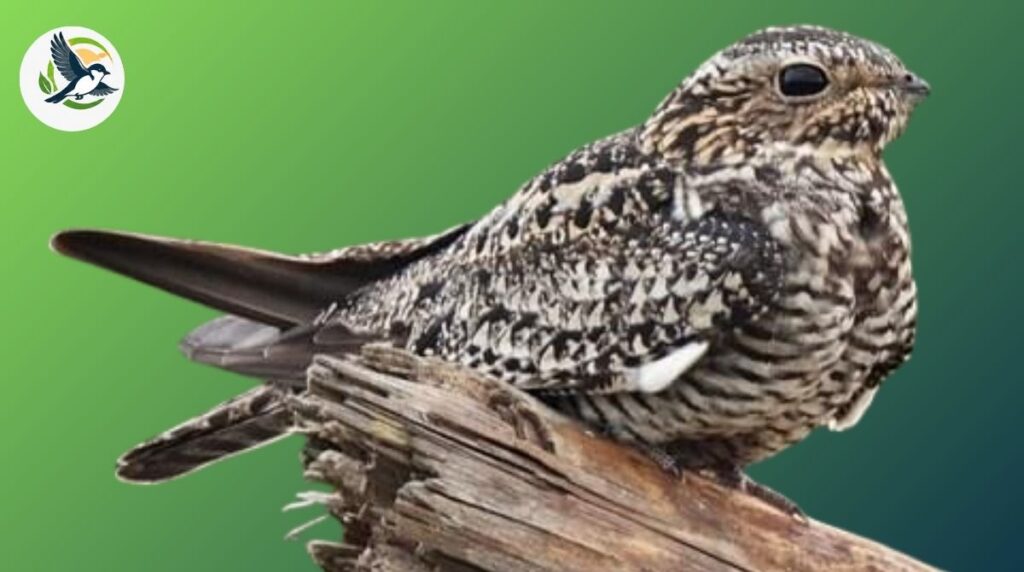
This enigmatic bird thrives in woodland clearings, showcasing its cryptic plumage. Its soft, haunting calls resonate at night, creating an ethereal atmosphere as it quietly hunts for moths and other nocturnal insects.
Tawny Owl
With its large, expressive eyes, the Tawny Owl is a familiar figure in European woodlands. Its hooting calls at night not only define its territory but also serve as a comforting reminder of the wild’s nocturnal life.
Northern Saw-whet Owl
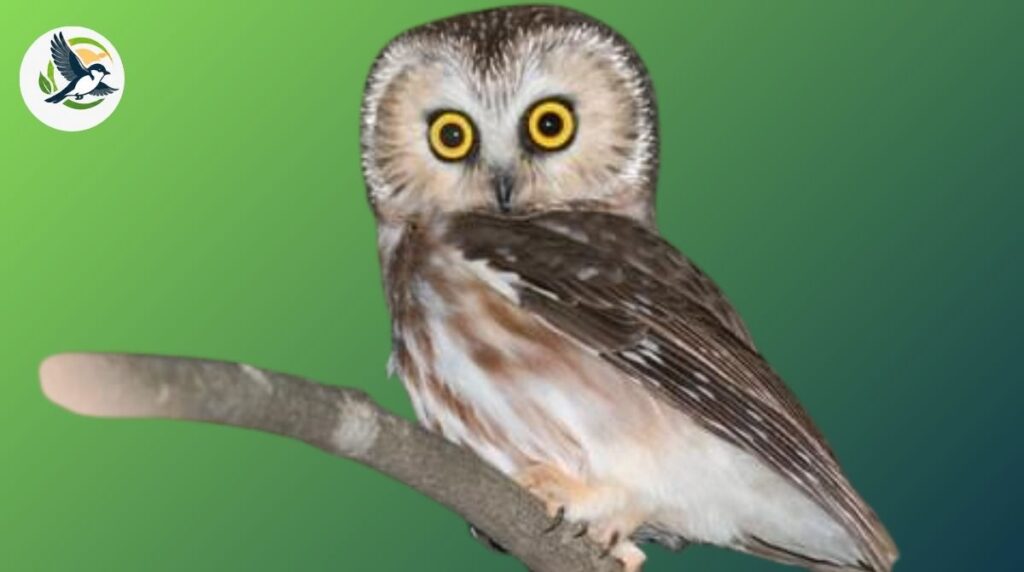
Small yet fierce, the Northern Saw-whet Owl’s call resembles a saw being sharpened, distinguishing it in the nighttime chorus. Known for its adorable appearance, this owl plays a vital role in controlling rodent populations.
Great Horned Owl
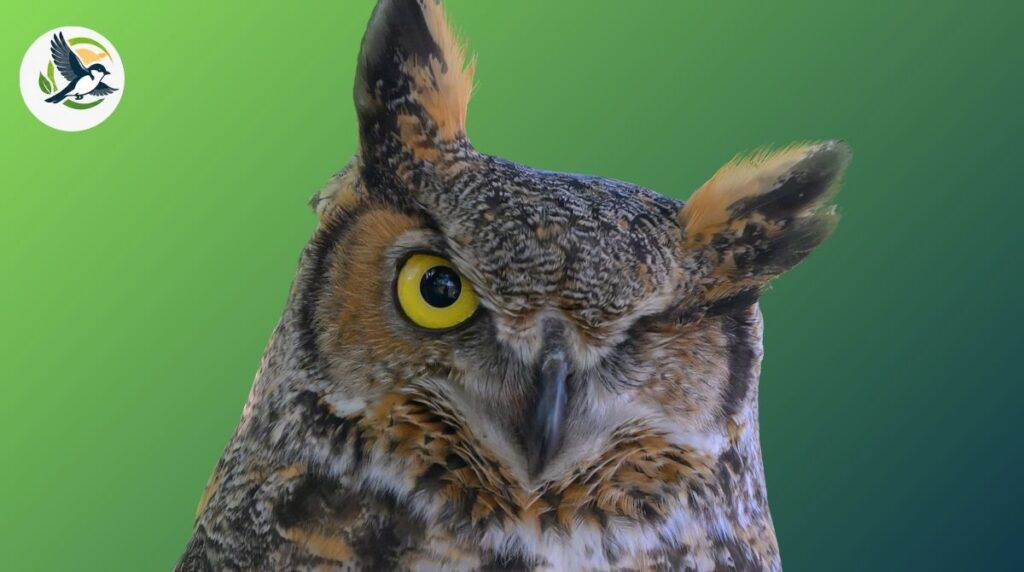
Fierce and formidable, the Great Horned Owl is one of North America’s most powerful night hunters. Its tufted “horns” and deep, echoing hoots make it an unforgettable presence in the night.
Potoo
The Potoo, often mistaken for a tree stump, has mastered the art of camouflage. Its eerie, almost ghostly call pierces through the stillness of the night, adding a layer of mystery to the forest.
Black-crowned Night Heron
Unlike most herons that hunt during the day, the Black-crowned Night Heron thrives at night. Its stealthy approach and keen vision allow it to exploit the cover of darkness while hunting for fish and crustaceans.
Read more: Flappy Birds: 15 Amazing Birds With Powerful Wingbeats
Sooty Shearwater
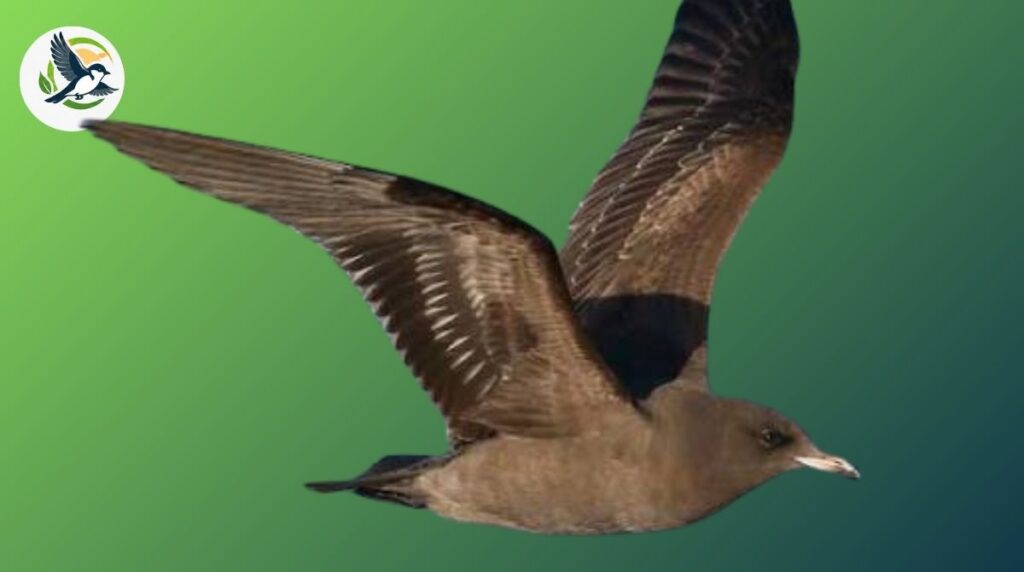
This migratory bird travels vast distances over oceans, with a preference for twilight flights. Its aerial prowess allows it to traverse the seas with effortless grace, highlighting the astonishing adaptability of avian life on the wing.
How Nocturnal Birds Hunt and Find Food
Nocturnal birds possess astounding adaptations that make them highly skilled hunters in the moonlit hours. With advanced hearing and night vision, these nocturnal predators, such as owls, can detect even the faintest rustle of prey hidden in shadows. Their large, asymmetrical ears allow them to pinpoint sounds in three-dimensional space, giving them an edge over their unsuspecting targets. The silent flight of these night birds, thanks to specialized wing feathers, lets them swoop down with astonishing precision, reducing the likelihood of disturbing their environment.
The nightbird diet primarily consists of small mammals, insects, and even other birds, showcasing their adaptability in various ecosystems. Owls often rely on their exceptional camouflage during the day, resting amidst tree branches until nightfall, when they can hunt
Conservation Challenges Facing Birds That Fly at Night
Birds of the night face a unique set of conservation challenges that often go unnoticed. While many are familiar with the beauty of songbirds during the day, nocturnal species like owls and nightjars play critical roles in their ecosystems. These birds rely heavily on the darkness for hunting and breeding, making them particularly vulnerable to habitat destruction and light pollution. Urbanization not only diminishes their natural habitats but also disorients them with artificial lights, leading to dangerous situations that can affect their survival rates.
Additionally, the changing climate is altering the delicate balance of their ecosystems, impacting food sources and migration patterns. For example, shifts in insect populations due to warmer temperatures can disrupt the feeding habits of these nocturnal hunters.
Final Words
Night time is a fascinating realm for many bird species that thrive after the sun sets. The top 10 amazing species discussed highlight the remarkable adaptations these nocturnal flyers possess, from incredible eyesight to unique hunting techniques.
Birds that fly at night not only play crucial roles in their ecosystems but also captivate our imaginations with their elusive behaviors. As we learn more about these remarkable creatures, we deepen our appreciation for the diversity of avian life. So the next time evening falls, take a moment to listen and look for these nocturnal wonders in your area.
FAQs
Which Bird can fly at Night?
Many birds are adapted for nocturnal life, allowing them to fly effectively at night. One of the most well-known examples is the owl. Owls have excellent night vision and can hear even the slightest sounds, which helps them hunt in the dark. Their silent flight, due to specialized feathers, allows them to approach their prey without being detected.
What Birds are Nocturnal?
Nocturnal birds are fascinating creatures that thrive in the dark. The most well-known examples include owls, which are often associated with nighttime due to their large eyes and silent flight. They have excellent night vision and can swivel their heads nearly all the way around to spot prey. Other nocturnal birds include nightjars, which are masters of camouflage, and whip-poor-wills, known for their distinctive calls at dusk.
Which Bird has the Highest Amount of Visibility at Night?
The bird with the highest visibility at night is the owl. Owls have specially adapted eyes that allow them to see well in low-light conditions. Their large, forward-facing eyes are packed with rod cells, which are more sensitive to light than other types of cells, making it easier for them to spot prey in the dark. Plus, their keen sense of hearing helps them locate sounds, enhancing their nighttime hunting skills.