White Birds: 15 Stunning Species You Need to Know
White is a colour that represents grace and elegance. That’s why White birds also represent the elegance of nature through their white colour. These types of birds are a pleasure to human eyes. Many people are just excited to see these magnificent birds, but don’t know where to find them or even know their names.
Let’s fly through this article in elegance and answer the secrets and mysteries of white birds. White birds not only represent elegance but also peace. For example, if you see a white dove, you will instantly know it represents peace and hope. Today, we will find more of these types of meanings about other birds, so let’s fly!
What Are White Birds?
White birds have an enchanting presence that captivates observers across various landscapes. Their striking plumage can symbolize purity, peace, and even transformation, making them significant in many cultures. For instance, the majestic snowy egret glides gracefully over wetlands, its brilliant white feathers contrasting beautifully against the vibrant greens and blues of its surroundings. This display of elegance not only highlights the bird’s adaptability but also its crucial role in maintaining the ecosystem.
Additionally, white birds often appear in folklore and mythology, representing the intersection of the natural and the spiritual. The mythos surrounding creatures like swans and white doves resonates deeply in many traditions, suggesting a connection that goes beyond mere beauty.
Why Are Some Birds White?
White birds, with their dazzling plumage, often captivate our attention and stir our imaginations. The striking appearance of these birds primarily relates to their evolutionary adaptations. For many species, white feathers serve as a camouflage strategy in snowy environments or among bright sands.
This helps them evade predators, ensuring better survival rates. The elegant snow-white hues are not just for aesthetics; they reflect light, helping these birds stay cooler in hot climates, allowing them to thrive in diverse habitats.
15 Stunning White Birds You Need to Know
- Snowy Owl
- Great Egret
- Snow Goose
- Trumpeter Swan
- Tundra Swan
- White Ibis
- Cattle Egret
- Little Egret
- Rock Ptarmigan (Winter Plumage)
- White Cockatoo
- Gyrfalcon (White Morph)
- Ivory Gull
- American White Pelican
- Whooping Crane
- Royal Spoonbill
Snowy Owl
Revered for its striking white plumage, the Snowy Owl embodies the Arctic’s serene beauty. This raptor is not just a visual marvel; its piercing yellow eyes give it the ability to spot prey against the stark landscape, making it a true apex predator.

Great Egret
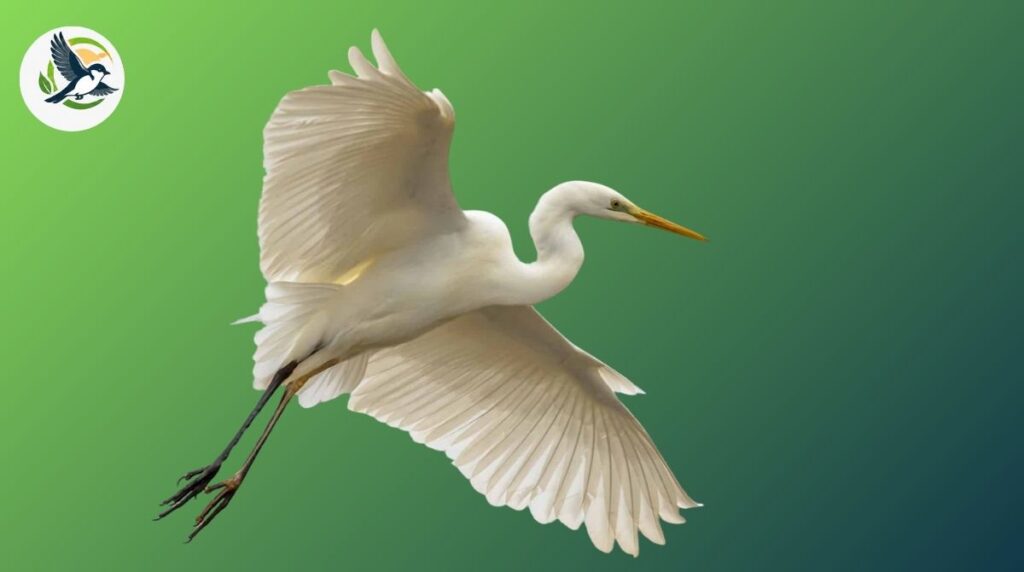
With its elegant stature and long neck, the Great Egret is a symbol of purity and grace. This bird’s pristine feathers, used historically in fashion, now serve as a reminder of the importance of wildlife conservation.
Snow Goose
Resilient and migratory, the Snow Goose paints the skies white as it flies in impressive formations. Their seasonal moves highlight the interconnectedness of ecosystems, and their honking calls bring a sense of community within the flock.
Trumpeter Swan and Tundra Swan
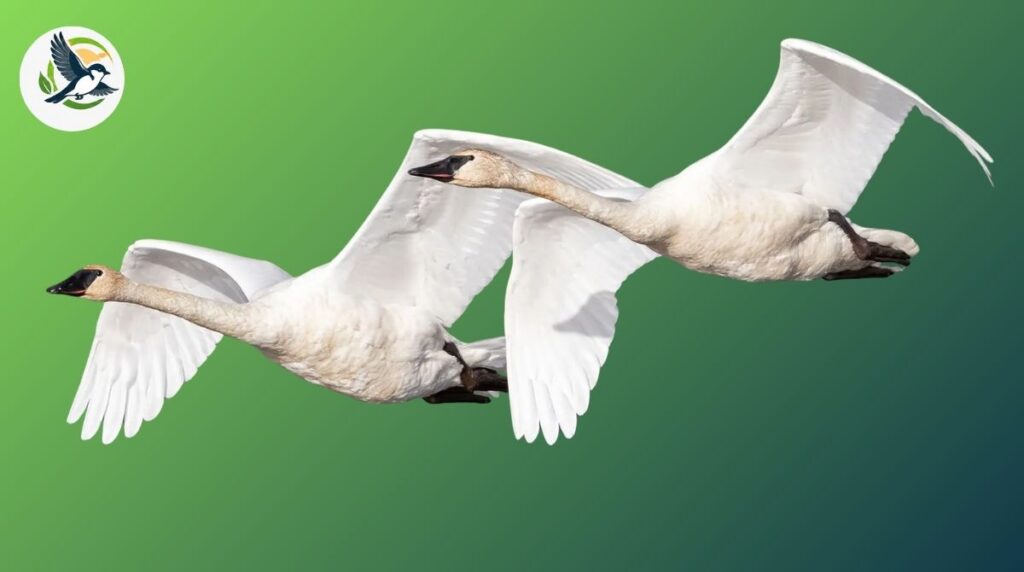
These majestic swans are known for their ethereal presence on tranquil waters. While the Trumpeter Swan boasts the title of the heaviest native waterfowl in North America, the Tundra Swan is celebrated for its poignant migration over vast distances, leading to a rich tapestry of winter habitats.
White Ibis and Cattle Egret
The White Ibis, with its long, curved bill, forages skillfully in wetland ecosystems. Meanwhile, the Cattle Egret is found in agricultural fields, often seen perched atop livestock, showcasing a fascinating symbiotic relationship.
Little Egret
This smaller relative of the Great Egret is known for its elaborate mating rituals and delicate hunting techniques. The Little Egret, with its slender frame and dainty feet, reveals the subtleties and complexities of life in wetland environments.
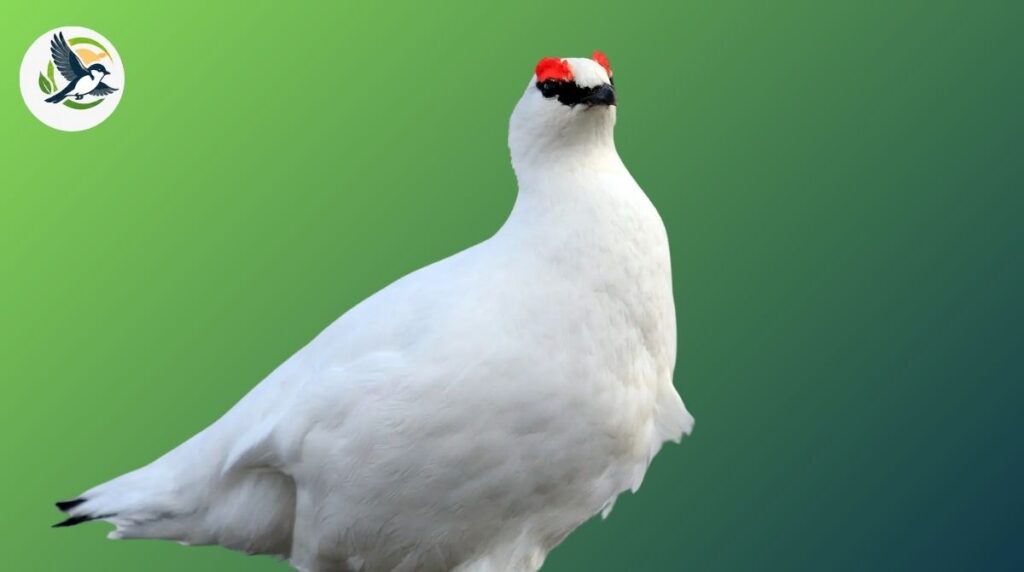
Rock Ptarmigan (Winter Plumage)
The Rock Ptarmigan is a master of camouflage, changing its plumage with the seasons to blend seamlessly into snowy landscapes. This adaptation highlights the intricacies of survival in harsh climates.
White Cockatoo
The White Cockatoo is not just visually stunning but also incredibly intelligent. Its playful personality and capacity for social interaction remind us of the emotional depth in avian species.
Gyrfalcon (White Morph)
Known for its striking appearance and formidable hunting skills, the Gyrfalcon (white morph) is a rare gem among raptors. This bird thrives in rugged environments, adapting to frigid habitats while showcasing its aerial prowess.
Ivory Gull
Often found in remote polar regions, the Ivory Gull’s stark white feathers are a stark contrast against the icy backdrop. It’s a unique scavenger, often seen feeding on fish scraps left by larger predators, demonstrating nature’s recycling methods.
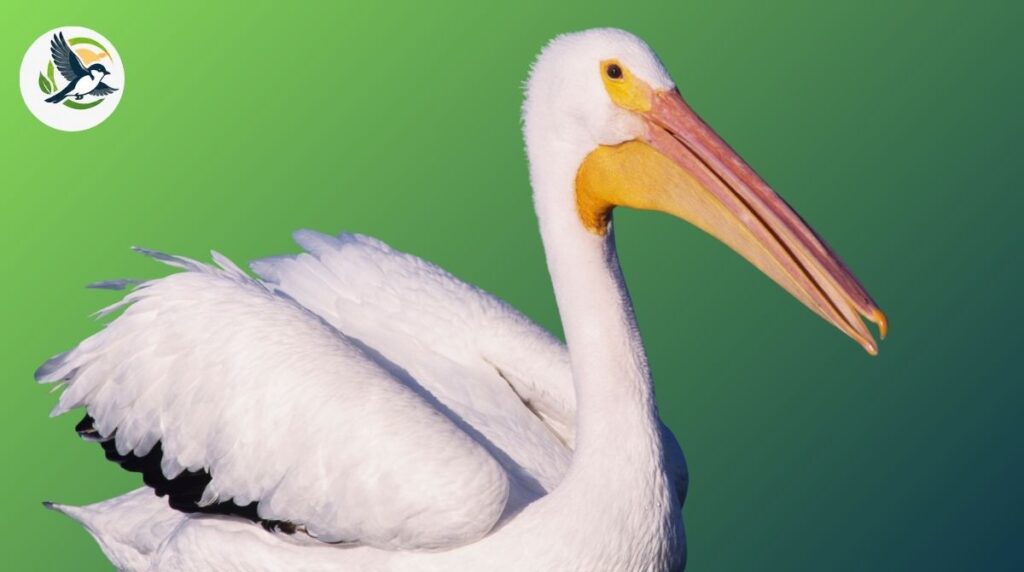
American White Pelican
With a wingspan that can reach nearly ten feet, the American White Pelican is an impressive sight. Known for their cooperative fishing techniques, these birds highlight the beauty of teamwork in nature.
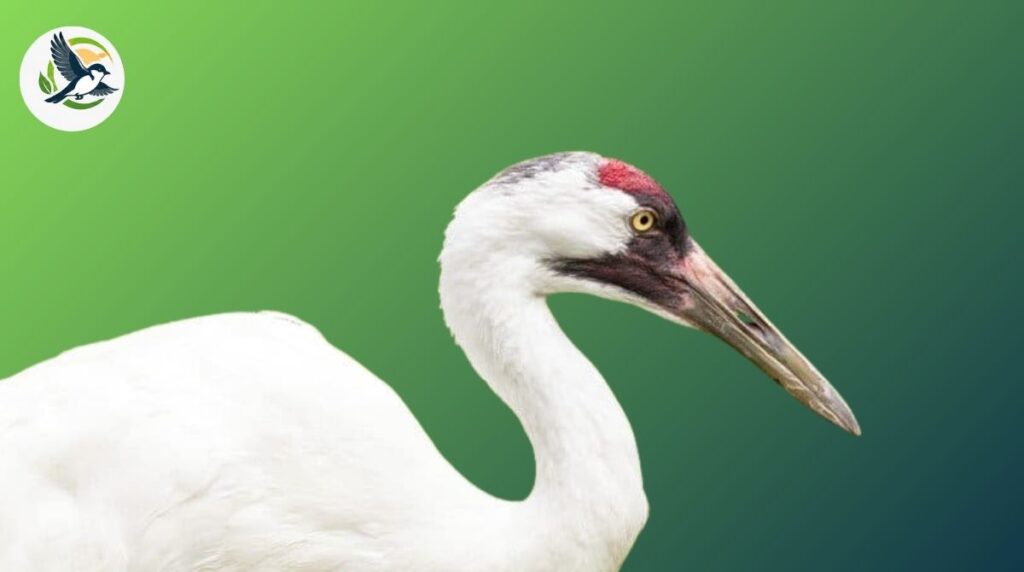
Whooping Crane
The Whooping Crane is a remarkable conservation success story, rising from the brink of extinction. Their iconic trumpeting call and graceful dance during courtship rituals make them a symbol of hope for wildlife preservation.
Royal Spoonbill
The Royal Spoonbill, with its distinctive spoon-shaped bill, is a master forager in shallow waters. This unique adaptation showcases the incredible diversity of feeding strategies among white birds.
White Birds in Culture and Symbolism
White birds have long been regarded as symbols of purity and peace across cultures. In many traditions, their striking color evokes a sense of spirituality, often representing the divine or the soul’s ascent. For instance, doves are frequently depicted in religious contexts as messengers of hope, reinforcing their association with tranquility.
In Native American culture, white birds such as the swan are seen as embodiments of grace and transformation. They are often connected to stories of creation and renewal, emphasizing the cyclical nature of life. This perspective highlights how white birds can symbolize not just peace, but also the journey of personal metamorphosis.
Read more: What Do Birds Eat: A Complete Guide to Bird Diets
Furthermore, in literature and art, white birds frequently serve as powerful metaphors for freedom and longing. Their ability to soar above the mundane can inspire aspiration, urging individuals to rise above challenges. This duality in symbolism- white birds encompass both the serene and the aspirational, making them fascinating subjects in various cultural narratives.
Threats Facing White Bird Species
– Habitat Loss: White birds, such as the iconic snowy egret and the elegant great white heron, face significant threats from habitat destruction. Urban expansion and agricultural practices tend to encroach on wetlands and marshlands, the essential breeding and foraging grounds for these species. This loss not only diminishes their nesting sites but also affects the food sources they rely on.
Climate Change
As temperatures rise and weather patterns shift, white birds experience altered migratory routes and nesting periods. For instance, changes in water levels can affect breeding success, while increased storms may disrupt their delicate ecosystems. These climatic shifts challenge their adaptability and survival.
Pollution and Contamination
White birds often inhabit areas close to human activity, making them susceptible to pollution. Chemicals and plastics can contaminate their food sources, leading to health complications and decreased reproductive success. Additionally, the accumulation of toxins in water bodies can create a cascading effect, further endangering these beautiful species.
Predation and Human Activity
Invasive species and domestic animals pose significant threats to white birds. Predators like feral cats can decimate nesting populations, while human interference, such as fishing and boating in nesting areas, disrupts breeding. Protecting these birds requires awareness of both natural and human-induced pressures.
Final Words
In exploring the diverse world of white birds, we’ve uncovered 15 stunning species that showcase nature’s beauty and grace. Each bird, from the elegant snowy owl to the striking great egret, plays a vital role in its ecosystem and offers a glimpse into the delicate balance of wildlife.
Their unique characteristics and behaviors remind us of the importance of conservation efforts to protect these remarkable creatures. As you learn more about these beautiful species, consider how you can contribute to their preservation and inspire others to appreciate the wonders of nature. Embrace the magic of white birds and make a positive impact today!
FAQs
What is the most beautiful white bird?
The most beautiful white bird is often considered to be the swan. With its elegant neck and graceful movements, the swan embodies serenity and beauty.
What is a great white bird?
A great white bird can refer to several majestic species, but it’s most commonly associated with the Great Egret. This large wading bird features striking white plumage, a long neck, and a sharp beak, making it a stunning sight in wetlands and shorelines
What are some white birds?
One of the most recognizable is the snow-white swan, often seen gliding gracefully on lakes and ponds. Another common white bird is the dove, which symbolizes peace and is often found in urban and rural areas alike.
What is a pure white bird?
A pure white bird is typically one with all-white plumage without any other colors or patterns. Common examples include the snowy egret, the white dove, and certain swans.