What Birds Eat Mealworms: 10 Backyard Birds That Love This Tasty Treat
Did you know that mealworms are not just for fishing bait anymore? In fact, these wriggly critters are a favorite treat for many backyard birds. In this article, we’ll explore what birds eat mealworms and introduce you to ten species that can’t resist this tasty snack.
If you’re an avid birdwatcher or simply want to attract more avian visitors to your yard, understanding these feathered friends’ preferences is key to enhancing your backyard experience.
Why Do Birds Eat Mealworms?
Birds are drawn to mealworms for several compelling reasons beyond mere sustenance. These protein-rich larvae are not only a favorite among many species, but they also provide an essential energy boost, especially during critical migratory periods. For instance, during nesting season, what birds eat mealworms can significantly influence their reproductive success. High-protein diets lead to healthier chicks, which can thrive as they grow.
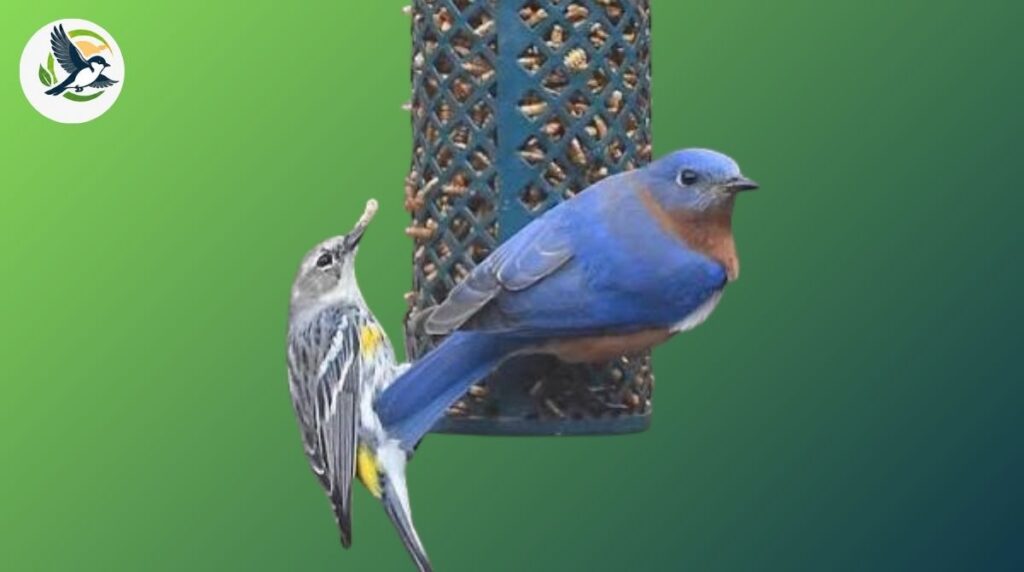
Additionally, the texture and taste of mealworms cater to a variety of avian preferences, making them an attractive option for many species. Even picky eaters among birds like bluebirds and robins often find these larvae irresistible.
Top 10 Backyard Birds That Eat Mealworms
- Eastern Bluebird
- American Robin
- Northern Mockingbird
- Carolina Wren
- Black-capped Chickadee
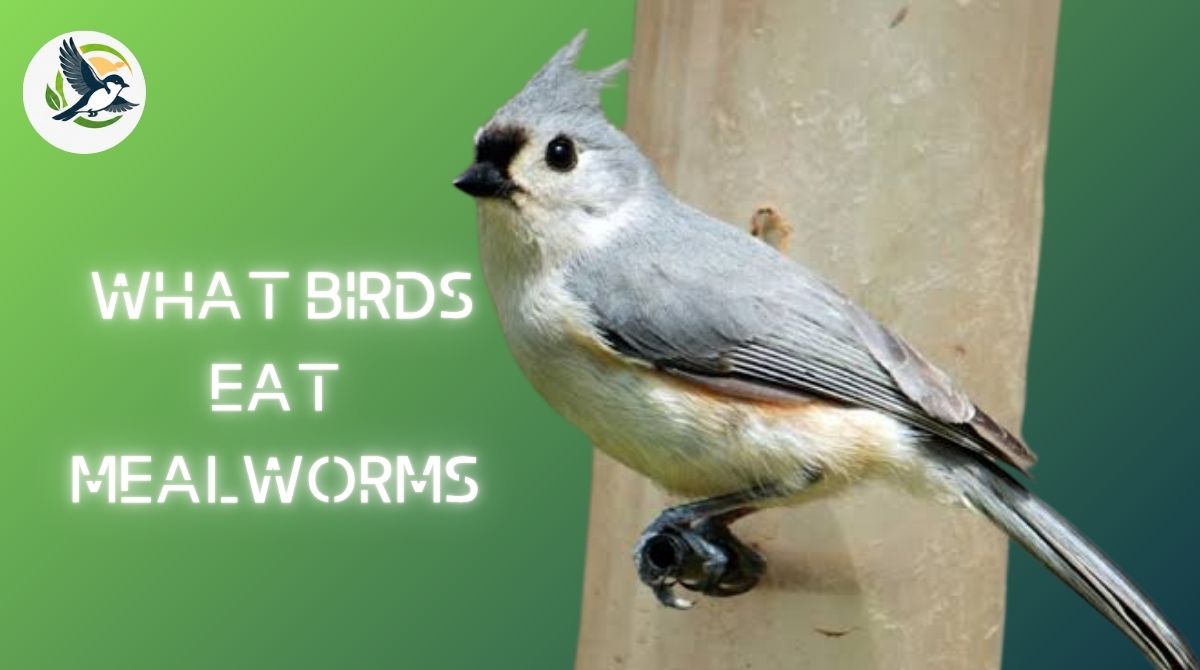
- Tufted Titmouse
- European Starling
- Red-bellied Woodpecker
- Downy Woodpecker
- Northern Cardinal
Eastern Bluebird
With their vibrant plumage, Eastern Bluebirds are not just a joy to behold; they’re also enthusiastic mealworm munchers. Watching them dart through the air before landing to snatch up these protein-packed treats is a delightful addition to backyard birdwatching.
American Robin
Often seen hopping across lawns, the American Robin is known for its robust appetite. During your backyard feedings, you might notice these charming birds finding mealworms just as readily as they do juicy earthworms, making them delightful visitors.
Northern Mockingbird
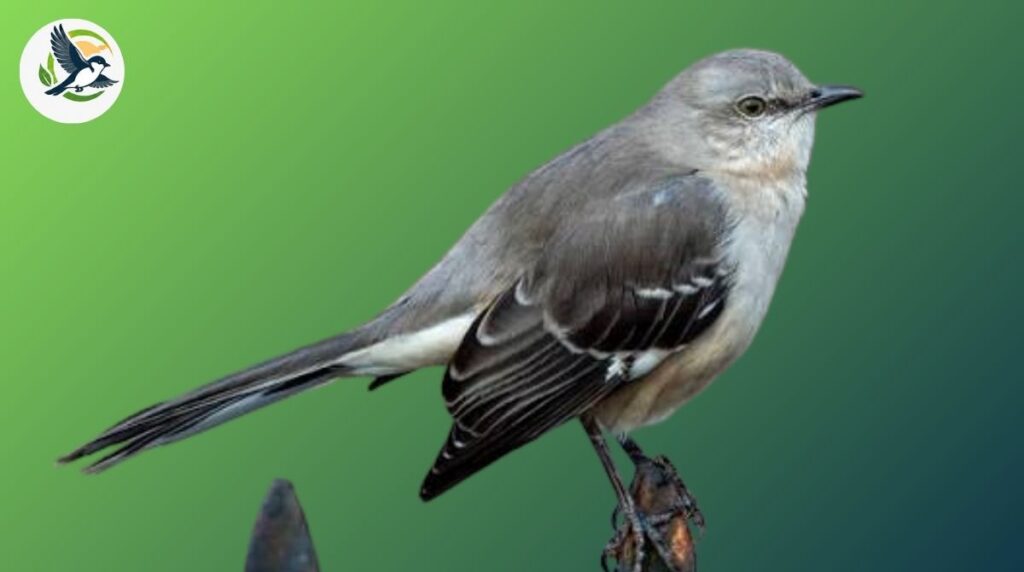
Known for its impressive vocal mimicry, the Northern Mockingbird is also a fan of mealworms. Their inquisitive nature and adaptability allow them to thrive in various environments, making them a common sight in gardens where mealworms are part of the feast.
Carolina Wren
Small but full of personality, the Carolina Wren has an insatiable curiosity that leads it to mealworm feeders regularly. Their cheerful songs and acrobatic antics provide entertainment as they search for their favorite snacks amongst the foliage.
Black-capped Chickadee
Easily recognizable by their black-and-white heads, Black-capped Chickadees are not just cute; they’re also clever. They often cache mealworms for later, showcasing an incredible memory that adds a layer of intrigue to their feeding habits.
Tufted Titmouse
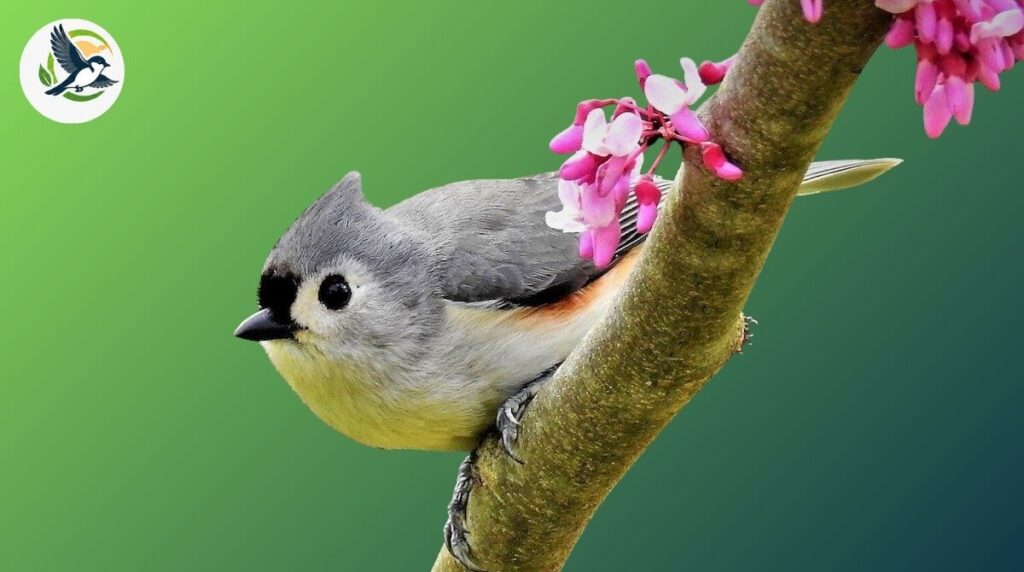
This social bird enjoys a variety of foods, but mealworms are a much-loved highlight. The Tufted Titmouse’s playful behavior and fondness for hopping around feeders create a lively atmosphere in any yard.
European Starling
Known to flock in large numbers, the European Starling is opportunistic by nature, making mealworms a valuable food source in their diet. Their iridescent feathers add a touch of brilliance to your backyard scene while they forage.
Red-bellied Woodpecker
This striking woodpecker doesn’t just peck on trees; it often looks for mealworms on feeders too. Their bold personality makes them hard to miss, and they bring a unique dynamic to any birdwatching experience.
Read more: Hoatzin Bird: 15 Amazing Facts About the World’s Strangest Bird
Downy Woodpecker
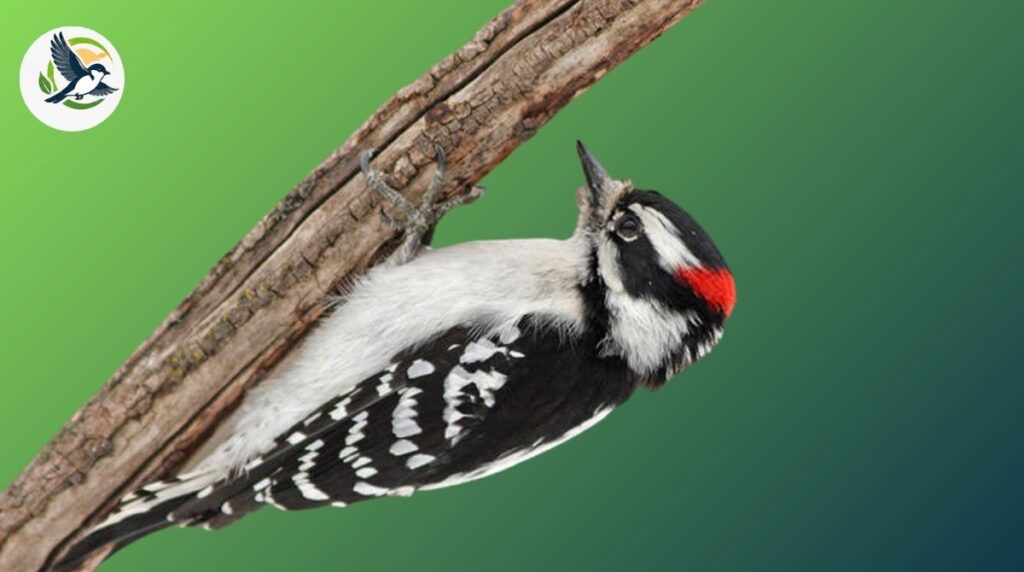
As one of the smaller woodpecker species, the Downy Woodpecker is a bit of a gem when it comes to backyard visitors. They’ll often join in for mealworm feeding, skillfully tapping around to extract insects hidden in the bark.
Northern Cardinal
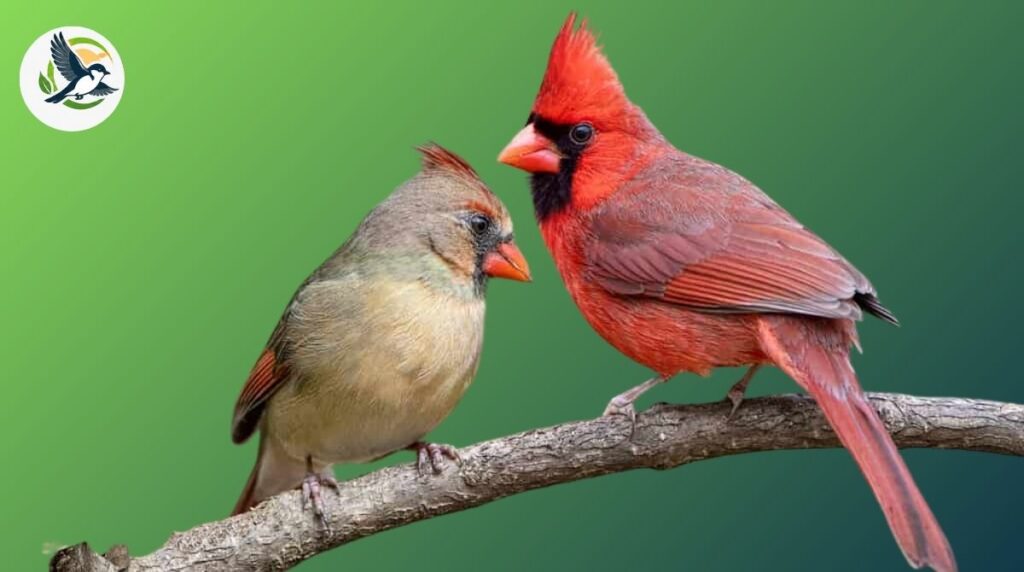
The Northern Cardinal’s vibrant red makes it a standout in any backyard. They enjoy indulging in mealworms, especially during breeding season when extra protein is crucial for raising chicks, making every appearance worth a moment of awe.
How to Feed Mealworms to Backyard Birds
Feeding mealworms to backyard birds can transform your garden into a vibrant aviary, attracting a diverse range of species. What birds eat mealworms? You’ll be delighted to discover that feathered friends like blue jays, robins, and wrens are particularly fond of these protein-packed treats. Incorporating mealworms into your feeding routine not only supplements their diet but also provides essential nutrients, especially during breeding season when demand for protein is high.
To . These feeders minimize waste and allow birds to spot the worms easily. Spreading a few mealworms in a shallow dish or directly on a platform feeder can also entice skittish birds to come closer.
Dried Mealworms vs. Live Mealworms: Which Is Better?
When comparing dried mealworms and live mealworms, it’s essential to consider the preferences of your feathered friends. Many bird enthusiasts swear by live mealworms, noting their vibrant movement can entice even the pickiest of eaters. Birds, such as robins and blue jays, are naturally inclined to hunt and capture their prey. This instinctive behavior can lead to increased activity and excitement in your backyard, making watching them more engaging.
On the other hand, dried mealworms offer impressive convenience. They have a longer shelf life and are easy to store, ensuring you always have a quick treat on hand. While some may argue that dried worms lack the same nutritional value as their live counterparts, they still provide a solid protein source for birds like sparrows and warblers.
Tips for Attracting More Mealworm-Eating Birds to Your Yard
To attract more mealworm-eating birds to your yard, create an inviting feeding station that showcases this nutrient-packed treat. Using a specialized feeder ensures that birds like blue jays, chickadees, and wrens can access the mealworms easily. Consider placing the feeder in a quiet corner of your garden where birds can feed without stress. Adding a bit of protection nearby, like dense shrubs or trees, can also entice these feathered friends to stop by, as they feel safer when they have cover.
Another effective strategy is to incorporate mealworm-rich plants into your landscape. Species like sunflowers and berry-producing shrubs not only enhance your garden’s aesthetic but also attract various insects and other food sources that many birds appreciate.
Final Words
In conclusion, What Birds Eat Mealworms, mealworms are a delightful treat for a variety of backyard birds, making them an excellent addition to your bird feeding routine. From the vibrant bluebirds to the energetic chickadees, these feathered friends will flock to your yard for this nutritious snack. Incorporating mealworms into your feeding strategy not only helps attract these beautiful birds but also supports their health and energy needs.
Whether you opt for live or dried mealworms, you’ll be rewarded with delightful birdwatching experiences throughout the seasons. So, why not grab some mealworms today and enjoy the lively chorus of visiting birds in your backyard?
FAQs
What birds would eat mealworms?
Many birds enjoy mealworms as a nutritious food source. Common backyard birds like blue jays, chickadees, and wrens often feast on them. Even some woodpeckers and robins will gladly snack on mealworms if they’re available.
What birds eat worms?
Many birds enjoy worms as a key part of their diet. Common examples include robins, which are often seen pulling worms from the ground, especially during spring and summer. They have keen eyesight and can sense the vibrations of worms beneath the soil.
Do woodpeckers eat mealworms?
Yes, woodpeckers do eat mealworms! These birds have a varied diet that includes insects, and mealworms are a great source of protein for them. In the wild, woodpeckers primarily hunt for beetles, ants, and larvae, but they readily accept mealworms, especially when offered by bird enthusiasts.