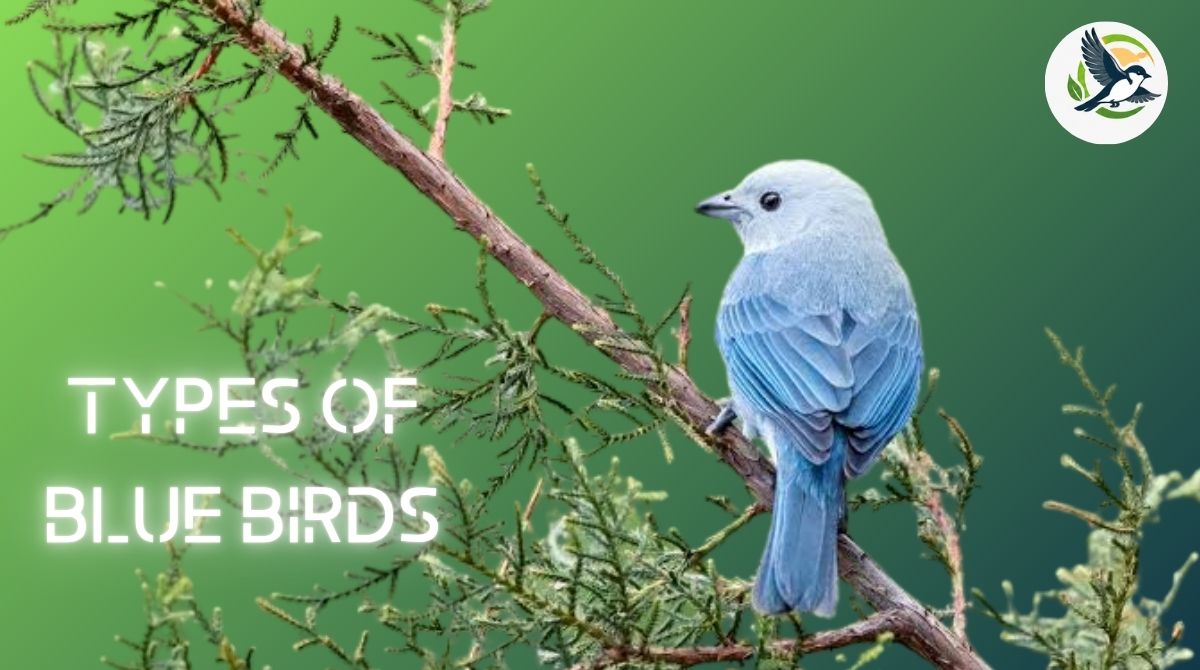
Types of Blue Birds: 20 Stunning Species You Can Spot Around the World
Did you know that blue birds are not just a single species but a striking spectrum of types of blue birds found across the globe? From the vibrant azure of the Indigo Bunting to the regal Blue Jay, these avian wonders captivate birdwatchers and nature enthusiasts alike.
Discovering the types of blue birds expands our appreciation for biodiversity and helps us connect with the natural world. In this article, we’ll explore 20 stunning species that you can spot, enriching your knowledge and potentially inspiring your next birdwatching adventure.
What Makes a Bird Blue?
The striking hue of a bird’s feathers is often a wonder of nature, especially when it comes to different types of blue birds. Unlike pigments that create other colors, many blue bird species exhibit their colors through a phenomenon called structural color. This occurs as light refracts through microscopic structures in their feathers, producing the vibrant blues we admire. Among the most iconic blue bird types are the Eastern Bluebird and the Blue Jay, each showcasing unique shades and patterns that capture the imagination.
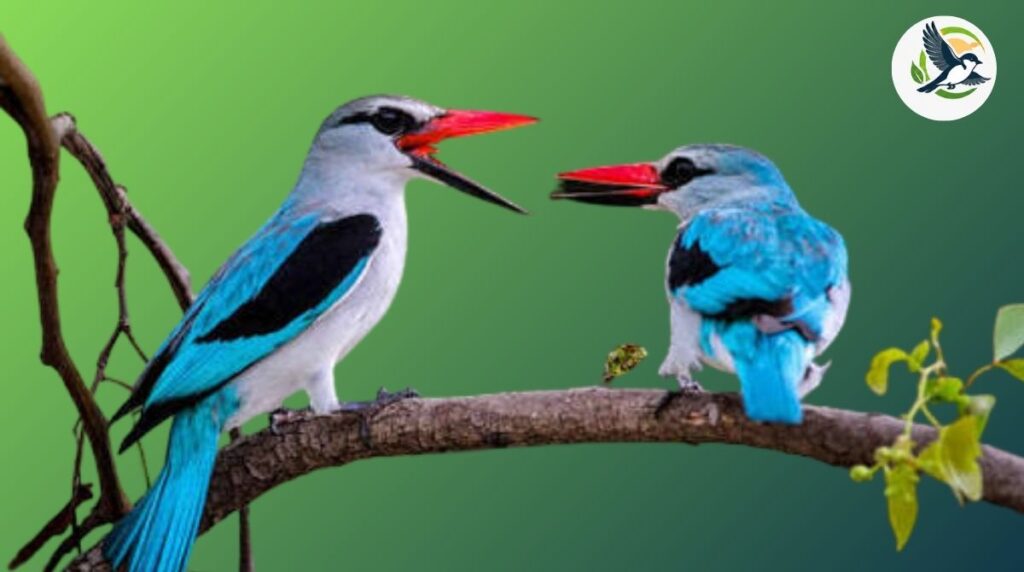
Another compelling aspect is the evolutionary purpose behind their stunning blue plumage. For many blue bird species, brighter colors can signify vigor and health, helping them attract mates. However, in some environments, their dazzling coloration might serve as a warning to potential predators, indicating that they are not easy prey. Exploring the names of blue birds, such as the Blue Grosbeak or Indigo Bunting, reveals just how diverse their appearances and habitats can be, making each sighting a delightful reminder of nature’s artistry.
20 Stunning Types of Blue Birds Around the World
Below is the list of 20 stunning types of blue birds.
- Eastern Bluebird
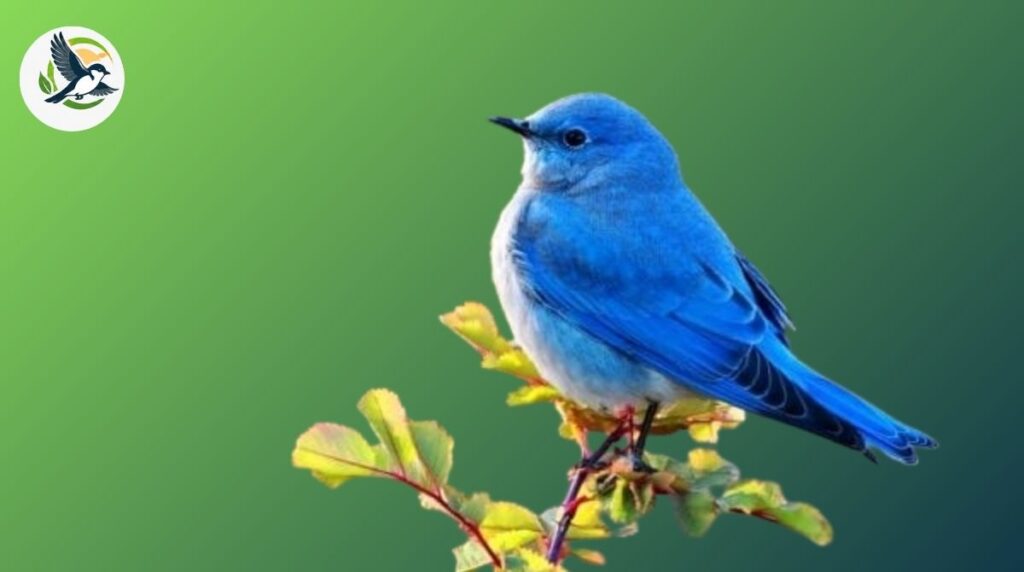
- Mountain Bluebird
- Western Bluebird
- Blue Jay
- Indigo Bunting
- Steller’s Jay
- Lazuli Bunting
- Tree Swallow
- Barn Swallow
- Purple Martin
- Blue Grosbeak
- Verditer Flycatcher
- Fairy-bluebird
- Hyacinth Macaw
- Blue-and-yellow Macaw
- Blue Whistling Thrush
- Splendid Fairywren
- Azure Kingfisher
- Blue Dacnis
- Cerulean Warbler
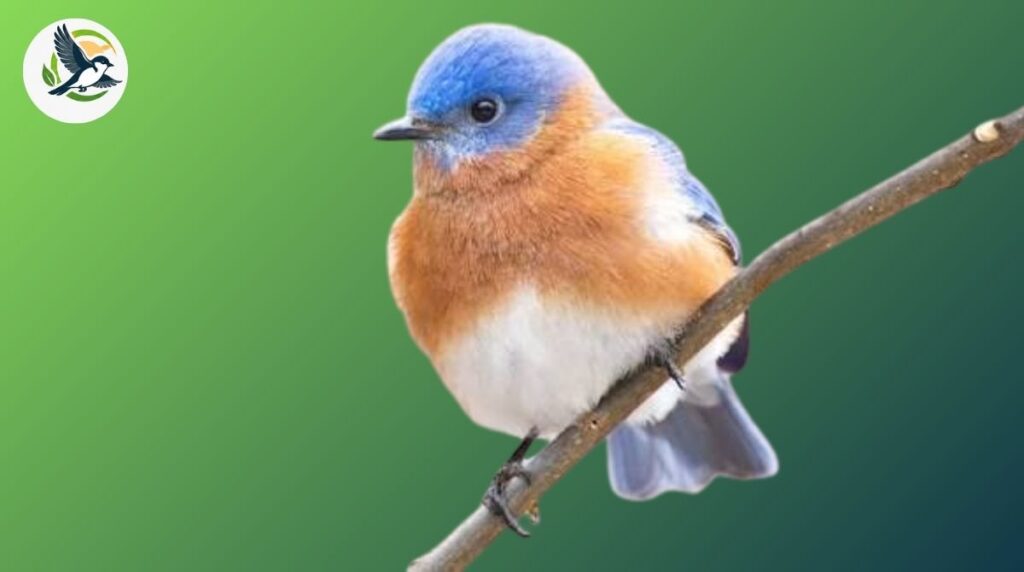
Eastern Bluebird
This charming songbird graces open fields and gardens in North America. Its vibrant blue plumage contrasts beautifully with its rusty orange chest, making it a symbol of hope and renewal.
Mountain Bluebird
Known for its stunning sky-blue color, the Mountain Bluebird thrives in the western United States. Its habitat ranges from alpine meadows to sagebrush flats, showcasing its adaptability.
Western Bluebird
A less common cousin of the Eastern Bluebird, this species features a more vivid blue and is often found in pine and oak woodlands. Their cheerful songs are a delight during springtime hikes.
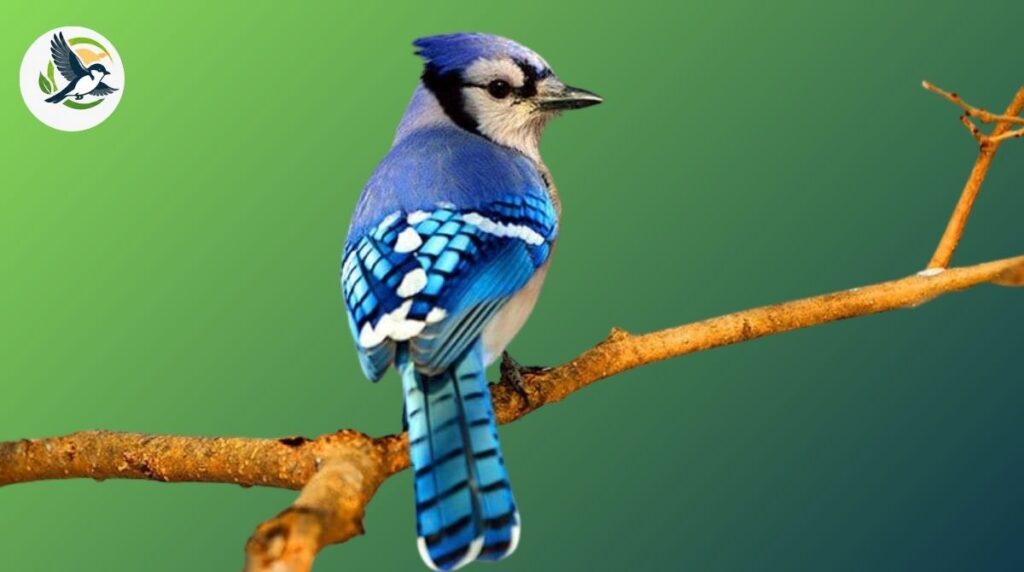
Blue Jay
Renowned for its intelligence, the Blue Jay’s striking blue and black coloration is both beautiful and bold. These social birds are known for their mimicry skills, often imitating hawk calls to scare away competitors.
Indigo Bunting
This small songbird dazzles with its deep blue feathers, especially vivid during the breeding season. Migrating thousands of miles each year, it serves as a testament to nature’s resilience.
Steller’s Jay
With its striking blue and black crest, Steller’s Jay inhabits in forests across North America. This clever bird is not only visually stunning but also known for its clever feeding strategies.
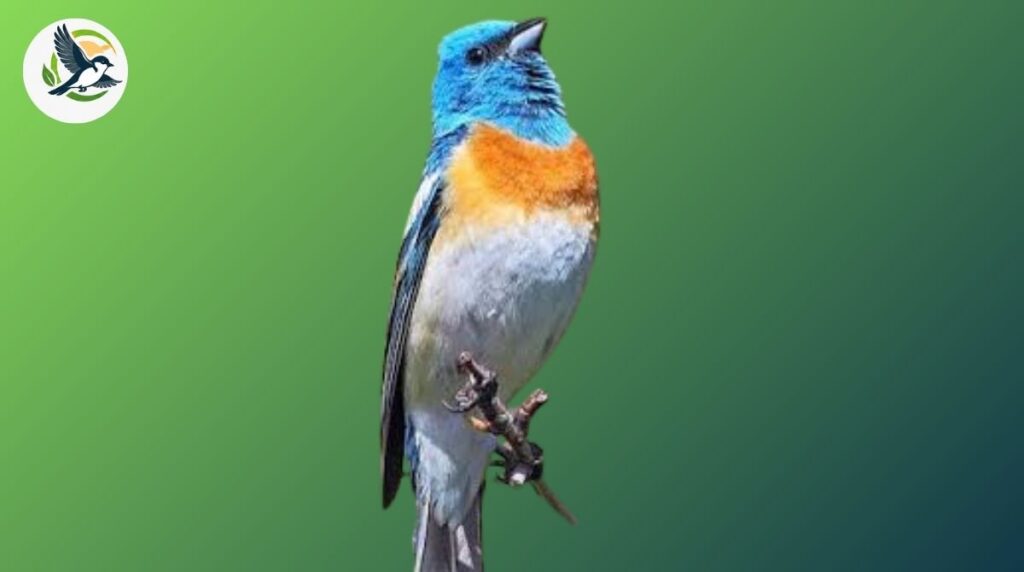
Lazuli Bunting
A true gem of the western United States, with a soft blue hue and chestnut belly, the Lazuli Bunting thrives in brushy habitats and often brightens up trails with its melodious song.
Tree Swallow
This agile flyer is not only beautiful but also remarkable for its iridescent blue back. Observers often spot them gliding gracefully above open water, showcasing their acrobatic prowess.
Barn Swallow
With its forked tail and glossy upper feathers, the Barn Swallow is a classic sight across farmlands. Their insect-hunting skills are unmatched, making them crucial players in the local ecosystem.
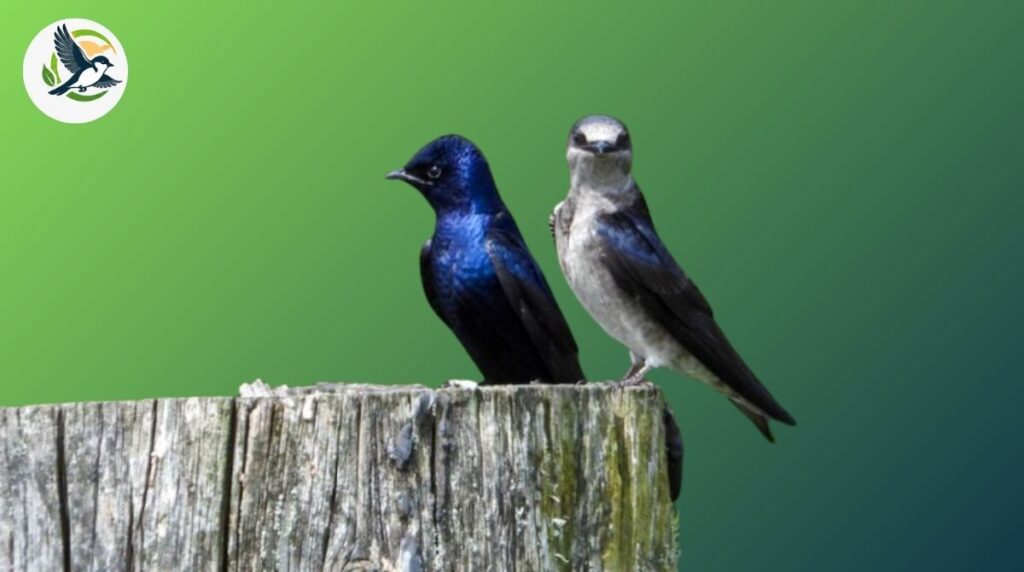
Purple Martin
This social bird emerges as one of the largest swallows, with a purplish-blue sheen that shines brilliantly under the sun. They often nest in colonies, bringing vibrant life to neighborhoods.
Blue Grosbeak
Recognizable by its bold blue color and robust beak, the Blue Grosbeak is often found in shrubby habitats. Its sweet, melodious song adds a beautiful layer to the evening chorus.
Also read more: Brown Birds: 10 Beautiful Brown Bird Species You Should Know
Verditer Flycatcher
This tropical bird, native to the Himalayas, features a bright blue coloration that’s often overlooked in avian discussions. Known for its unique call, it thrives in moist, forested areas, offering glimpses of wonder to those fortunate enough to observe it.
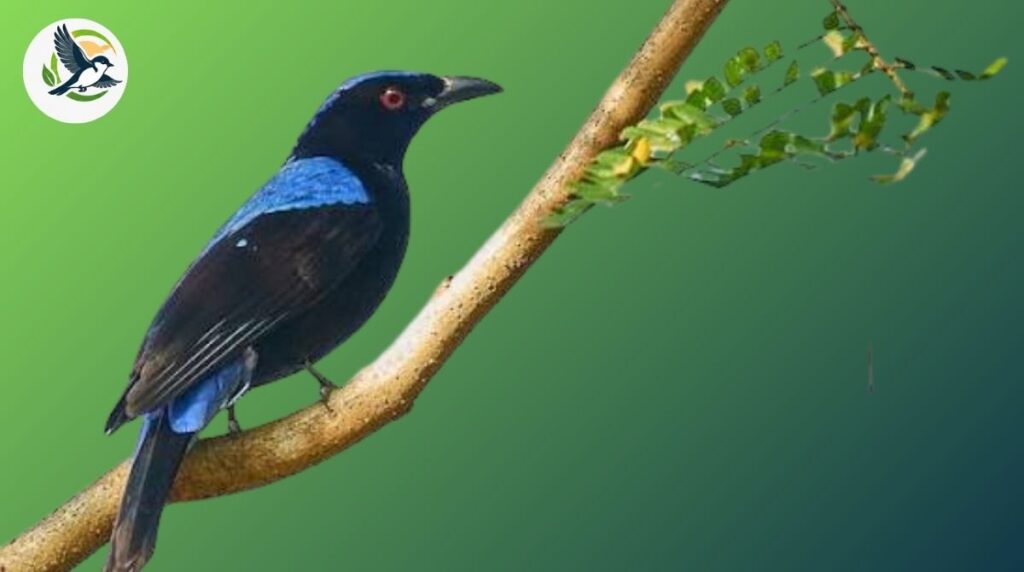
Fairy-bluebird
This mesmerizing species flaunts its vibrant blue plumage amidst the lush canopies of Southeast Asia. Characterized by a striking iridescent sheen, it’s no wonder this bird captures the hearts of birdwatchers and photographers alike.
Hyacinth Macaw
Towering at nearly three feet, the Hyacinth Macaw stands as the world’s largest parrot. Its deep cobalt blue hue is accentuated by bright yellow patches around its eyes and beak, making it an embodiment of tropical elegance found in Brazilian wetlands.
Blue-and-yellow Macaw
Known for its playful personality, this macaw sports a stunning contrast of brilliant blue wings against an eye-catching yellow underbelly. Found primarily in the rainforests of South America, these birds are incredibly social, often seen in pairs or family groups.
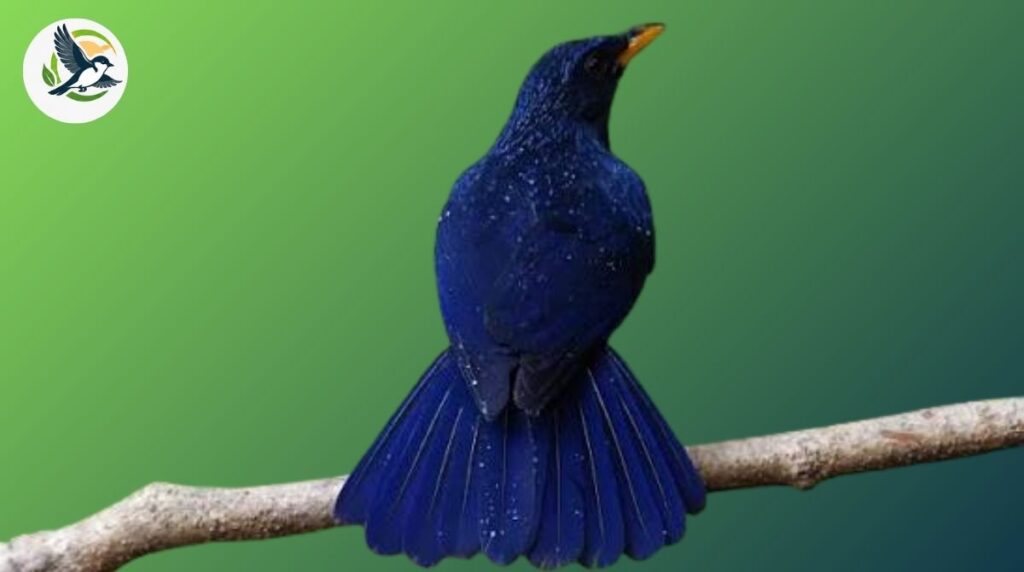
Blue Whistling Thrush
This enchanting bird, with its shimmering blue-black feathers, is a melodic gem found in the Himalayan foothills. Known for its distinct calls, the Blue Whistling Thrush adds a musical touch to the serene landscapes it inhabits.
Splendid Fairywren
A true showstopper in Australia, the male Splendid Fairywren flaunts striking azure feathers during the breeding season. But it’s the subtle brilliance of its female counterpart, with soft browns and blues, that showcases nature’s nuanced beauty.
Azure Kingfisher
This small yet vibrant kingfisher dazzles with its bright azure plumage and is often spotted hunting beside rivers. Its keen eyesight allows it to plunge into water with pinpoint accuracy, capturing fish with remarkable skill.
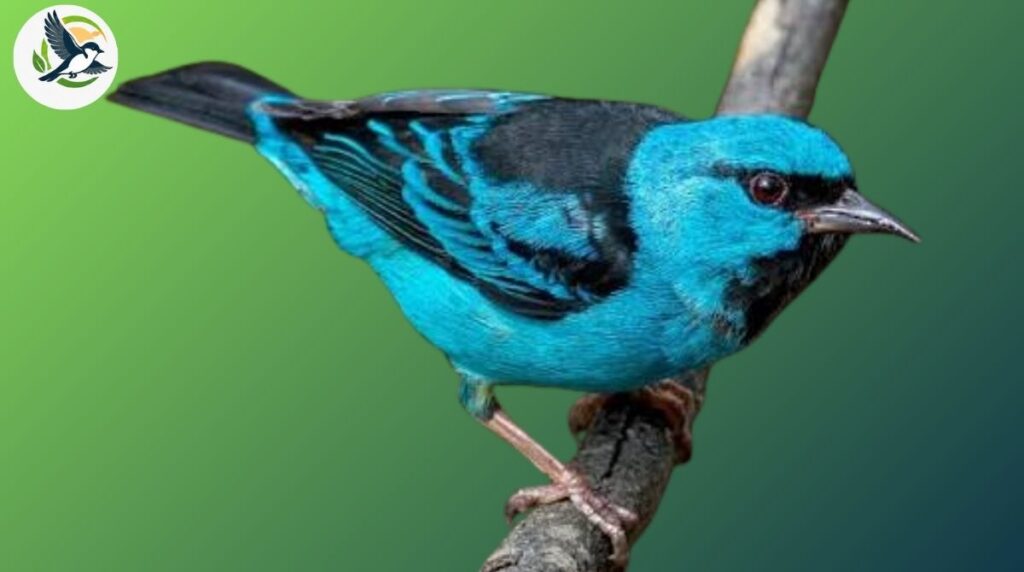
Blue Dacnis
A jewel of the tropics, this small bird enchants with its radiant blue body, making it a favorite among photographers in Central and South America. Often found in flocks, the Blue Dacnis thrives in humid environments, filling the air with soft whistles and chirps.
Cerulean Warbler
This elegant songbird, primarily residing in North America, dazzles with its sky-blue feathers and soft song. Breeding in lush forests, this species highlights the significance of habitat conservation for preserving vibrant species like this one.
Common Blue Birds You Can Easily Spot
When venturing outdoors, you may notice common blue birds that grace our skies and gardens. The Eastern Bluebird, a charming sight, boasts a vibrant blue plumage that contrasts beautifully with its warm orange chest. These small, social birds are often found perched on fence posts or nesting in tree hollows, making them a delightful addition to any landscape. Their melodious songs echo through the air, inviting birdwatchers to pause and appreciate their beauty.
Another gem in the bluebird spectrum is the Indigo Bunting. Often seen flitting through shrubby areas, these males showcase a deep, rich blue that appears almost electric under sunlight. Interestingly, females are a more subdued brown, which helps them blend into the background as they tend to their nests. Encountering these stunning birds can ignite a passion for birdwatching, leading you to explore just what birds are blue in your area. Whether it’s the distinctive call of a Blue Jay or the gentle flutter of a Tree Swallow, each sighting offers a unique glimpse into the vibrant world of avian life.
How to Identify Blue Birds in the Wild
When venturing into the wild, spotting a blue-and-white bird can be a thrilling experience, but identification requires keen observation. Pay attention to their size and shape; many blue birds exhibit distinct silhouettes. For instance, the Eastern Bluebird and Tree Swallow both possess vivid blue plumage but differ significantly in body shape and size. Observing their behavior can also be a clue — while some might flit playfully through trees, others may prefer to hunt insects over open fields.
Birds With Blue Feathers: Why They’re So Colorful
The stunning vibrancy of birds with blue feathers can be attributed to a fascinating interplay of light and structure rather than pigments alone. Unlike their red or yellow counterparts, blue colored birds exhibit a unique optical phenomenon called structural coloration. This means that their feathers contain microscopic structures that reflect specific wavelengths of light, creating that striking blue hue. When sunlight hits these feathers, it gets scattered in such a way that the viewer sees blue, regardless of the actual pigments present in the feathers.
What’s even more intriguing is the role of these blue colored birds in their environments. The bright blue not only serves as a stunning display during mating rituals but also plays a part in communication. Many species, like the Eastern Bluebird, utilize their vibrant coloration to convey health and vitality to potential mates.
Final Words
In conclusion, blue birds are not only captivating in their vibrant hues, but different types of blue birds also play a crucial role in our ecosystems. From the majestic Blue Jay to the enchanting Indigo Bunting, the diversity among these species is truly astonishing. Whether you’re an avid bird watcher or a casual observer, spotting these stunning creatures can be a rewarding experience.
Remember to keep your binoculars handy and your camera ready, as you never know when you might encounter one of these beautiful blue avians. So, venture outside, explore your local parks, and embrace the thrill of discovering blue birds in your area!
FAQs
Which birds are blue in color?
Several bird species are predominantly blue in color, showcasing nature’s vibrant palette. Notable examples include the Eastern Bluebird, known for its brilliant blue back and rusty-orange chest.
What does it mean when you see bluebirds?
Seeing bluebirds often symbolizes happiness and renewal. These vibrant creatures are associated with positivity and the arrival of good things. Many cultures view bluebirds as messengers, bringing tidings of joy or hope into one’s life.
What attracts bluebirds to your yard?
Bluebirds are drawn to yards that provide ample natural food sources. They love insects, especially during the breeding season, so having an abundance of bugs can make your yard inviting.