Egret Birds Explained: 15 Facts About Their Habitat, Diet, and Adaptations
Egret birds are not just stunning to behold; they play vital roles in their ecosystems that many of us may overlook. These elegant waders are fascinating creatures, and delving into their habitat, diet, and unique adaptations reveals much about nature’s intricate balance.
By exploring 15 key facts about egret birds, you’ll gain a deeper appreciation for these remarkable species and learn how they thrive in diverse environments. Let’s uncover the hidden lives of egret birds together!
What Are Egret Birds and What Makes Them Unique?
Egret birds are a fascinating sight, often seen wading gracefully in wetlands and shallow waters. These elegant creatures belong to the heron family and are renowned for their striking white plumage and long necks, which they use to expertly hunt for fish, amphibians, and other small prey.
Not only are their physical attributes captivating, but they also display unique behaviors during mating season, where elaborate courtship dances unfold, showcasing their vibrant plumage.
One remarkable aspect of egret birds is their sociable nature. They often gather in large colonies, creating a vibrant community where they build nests in trees or shrubs.
Top 5 Egret Species Found Around the World
Below is the list of the Top 5 Egret Species Found Around the World:
- Great Egret
- Snowy Egret
- Cattle Egret
- Little Egret
- Reddish Egret
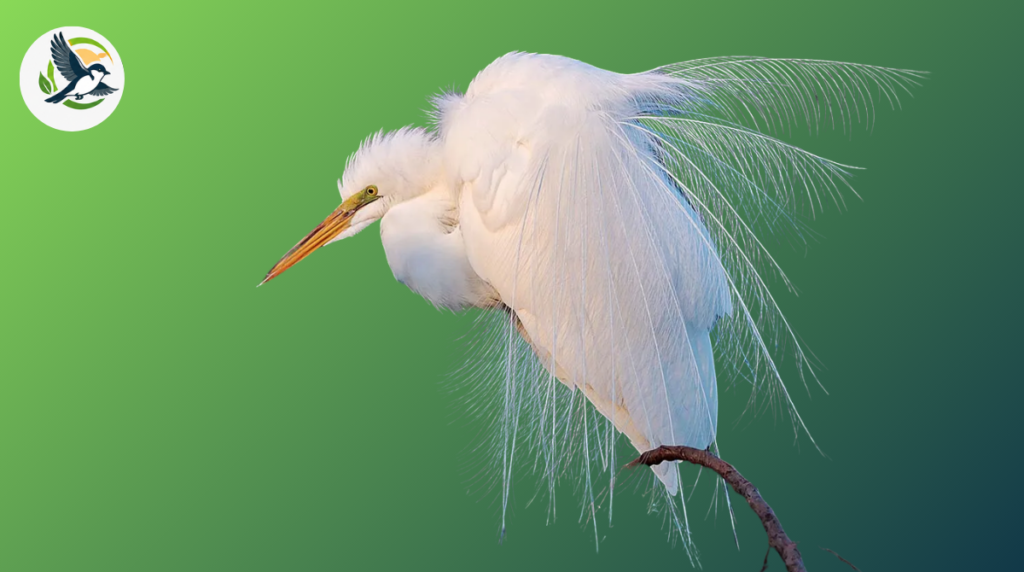
Great Egret
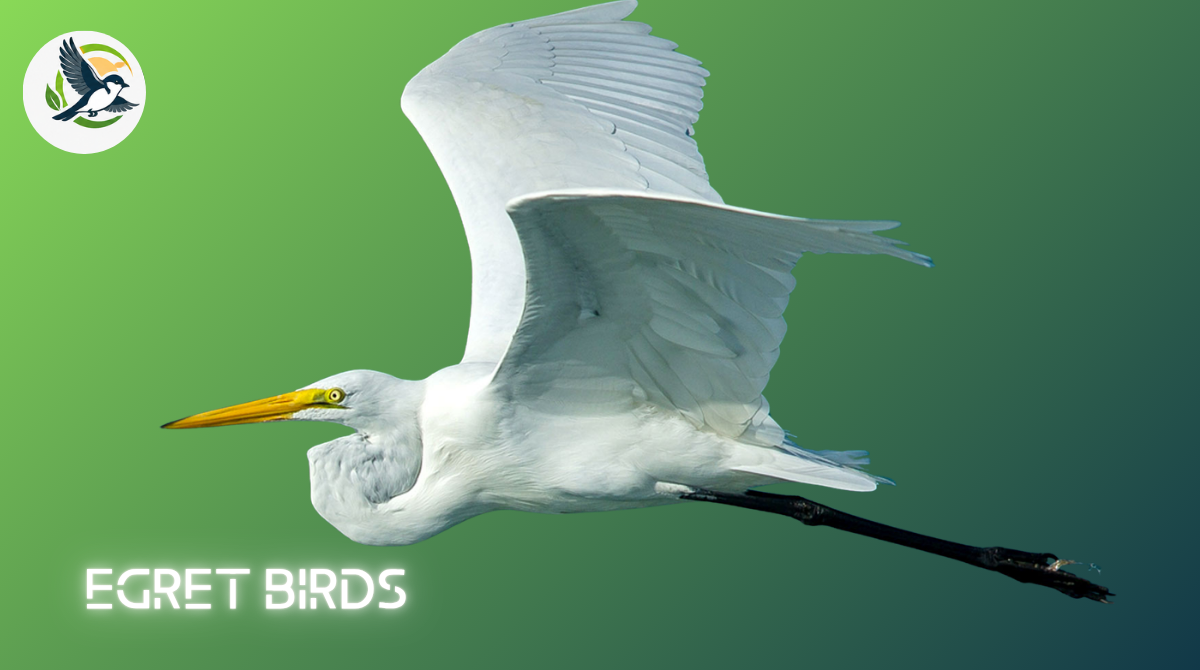
This striking bird, often seen in wetlands and marshes, stands tall with its graceful neck and long, slender legs. With a wingspan of up to 55 inches, it commands attention as it hunts for fish in tranquil waters. Not only is the Great Egret an emblem of heron-like beauty, but it’s also a symbol of environmental health, thriving in areas rich in biodiversity.
Snowy Egret
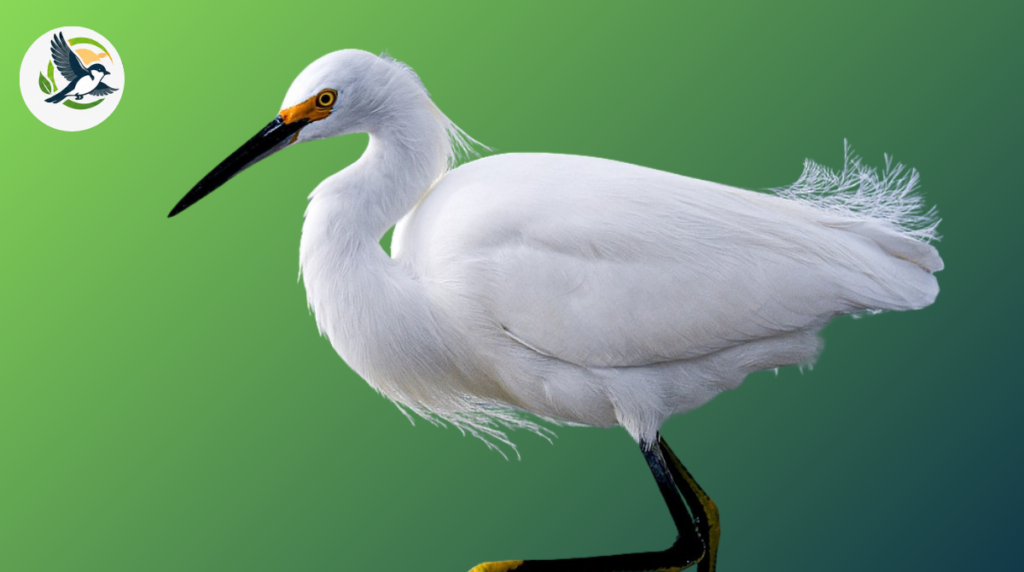
The Snowy Egret dazzles with its striking plumage and bold yellow feet, which leave distinct markings on the mud as it seeks out its prey. Known for its dynamic fishing techniques, this species uses a unique “foot stirring” method to attract fish, showcasing its intelligence and adaptability. Observing these egrets in action reveals not just their elegance but also their vital role in aquatic ecosystems.
Cattle Egret
Unlike its aquatic counterparts, the Cattle Egret has a unique symbiotic relationship with livestock. Often seen perched on the backs of cows and buffalo, it feasts on insects that disturb as the animals graze. This bird not only aids in natural pest control but also reflects the interconnectedness of agricultural environments, highlighting the need for sustainable farming practices.
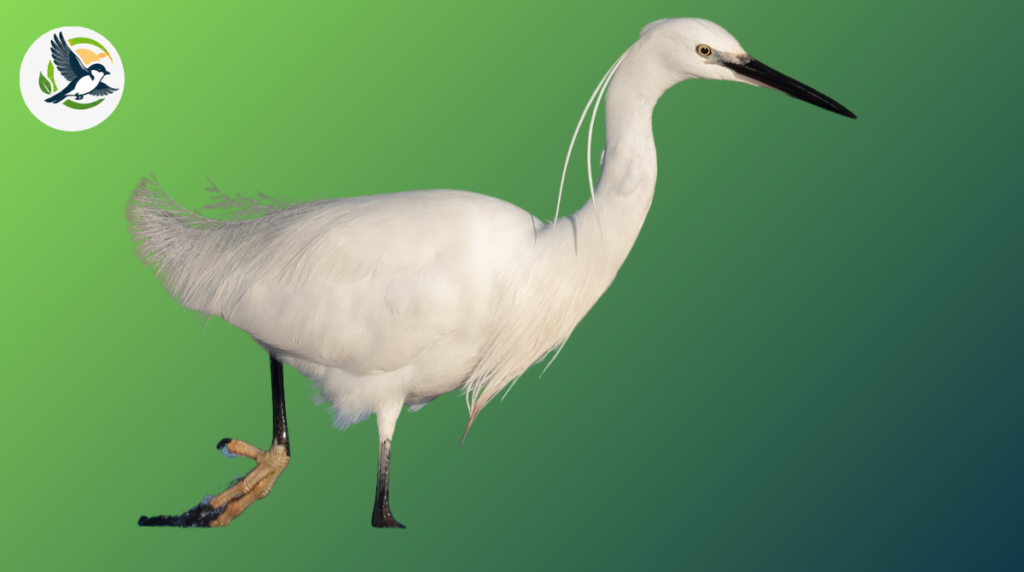
Little Egret
With its delicate stature and striking black legs, the Little Egret is a favorite among birdwatchers in both coastal and inland habitats. Its stealthy hunting technique showcases the finesse of nature, as it gracefully stalks in shallow waters. As climate change impacts migratory patterns, the Little Egret serves as a reminder of the delicate balance within ecosystems.
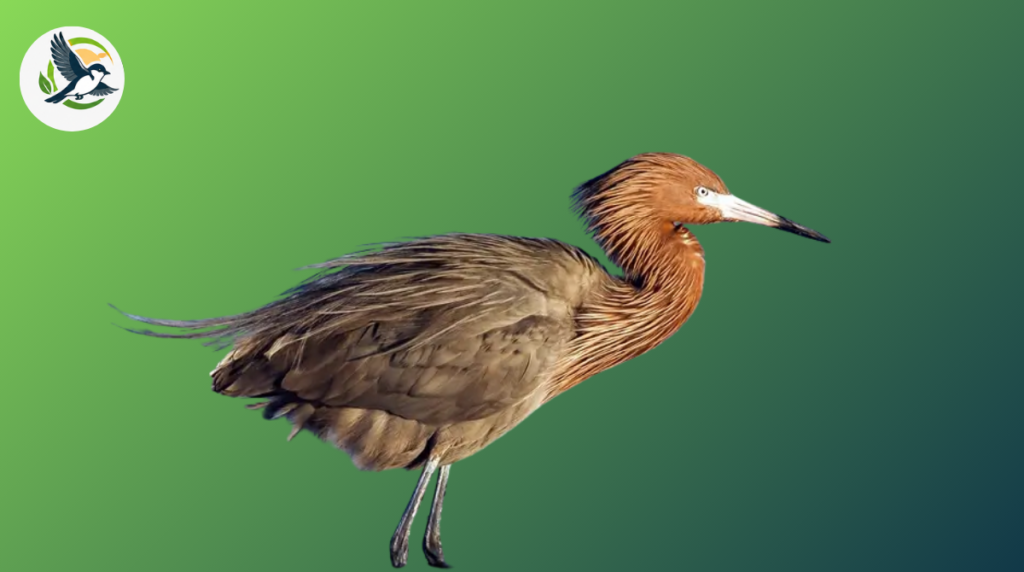
Reddish Egret
This unique species, with its shaggy plumage and striking blue-gray neck, is a master at adapting to its environment. Known for its lively and playful hunting style, the Reddish Egret often runs and leaps into the water, creating a spectacle for onlookers. Spotting these egrets is increasingly rare, making them a sought-after treasure for birdwatchers and a vivid reminder of the importance of habitat preservation.
Top 5 Foods Egret Birds Eat in the Wild
Below is the list of the Top 5 Foods Egret Birds Eat in the Wild:
- Fish
- Frogs
- Crustaceans
- Insects
- Small Reptiles
Fish
Captivating to see, egrets are renowned for their fishing. They often wade through shallow waters, poised and patient, waiting for unsuspecting fish to swim close. Their long legs and sharp beaks enable them to strike with remarkable precision, making fish a primary staple in their diet.
Frogs
These amphibians make up a hearty part of an egret’s menu. Egrets have a keen eye for spotting frogs hidden among lush vegetation or lurking in murky ponds. Their adaptable hunting strategies allow them to seize frogs of various sizes, showcasing their agility and intelligence.
Crustaceans
Whether it’s shrimp or crabs, crustaceans add variety to an egret’s diet. Often found in coastal areas or marshes, these creatures provide not just an exciting challenge for birds as they try to pry open shells, highlighting their resourcefulness.
Insects
Small but plentiful, insects are a key component of an egret’s wild forage. Grasshoppers, dragonflies, and water beetles become quick snacks as egrets sweep their beaks across wet grasslands, exemplifying their opportunistic feeding behavior.
Small Reptiles
Occasionally, egrets venture into the realm of small reptiles such as lizards. These critters, often found basking on warm rocks, are captured with a swift, calculated bite. This aspect of their diet not only diversifies their nutrition but also underscores their adaptability in various environments.
Top 5 Adaptations That Help Egret Birds Survive
Below is the list of the Top 5 Adaptations That Help Egret Birds Survive:
- Long Legs for Wading
- Sharp, Spear-Like Beak
- Excellent Vision
- Lightweight Wings for Efficient Flight
- Specialized Hunting Techniques
Long Legs for Wading
Egrets are masters of their wetland domains, thanks to their elongated legs that allow for efficient wading in shallow waters. These legs enable them to navigate through marshy terrains, avoiding obstacles while stalking prey. This adaptation not only aids in hunting but also helps them maintain balance in muddy environments.
Sharp, Spear-Like Beak
Equipped with a beak shaped like a spear, egrets are designed for precision. This specialized beak allows them to swiftly snatch fish and amphibians from the water’s surface. Their sharpness and angularity enhance their hunting efficiency, making them formidable predators in their ecosystems.
Excellent Vision
Egrets possess keen eyesight, crucial for spotting movement in the murky waters they often inhabit. Their binocular vision allows them to accurately judge distances and focus on their quarry, giving them an edge in survival. This acute vision is vital not only for hunting but also for detecting potential threats in their surroundings.
Lightweight Wings for Efficient Flight
The egrets’ lightweight wings are tailored for soaring gracefully above their habitats. This adaptation not only aids in energy conservation during long flights but also lends them agility when navigating through dense foliage. Their flight capabilities allow them to migrate over long distances swiftly, expanding their range in search of food.
Specialized Hunting Techniques
Egrets exhibit unique hunting strategies, such as the “foot-stirring” technique, in which they rhythmically disturb the water to flush out hiding prey. This behavioral adaptation showcases their intelligence and resourcefulness, allowing them to thrive in diverse habitats. Their ability to adapt their hunting methods, whether solitary or cooperative, enhances their chances of success in varying conditions.
Why Are Egret Birds Important to Wetland Ecosystems?
Egret birds play a vital role in maintaining the health and balance of wetland ecosystems. As skilled hunters, they help regulate populations of fish and insects, controlling species that could otherwise overwhelm the habitat. Their presence serves as a natural pest control, promoting biodiversity and supporting the overall health of the wetland community.
These elegant birds also contribute to nutrient cycling in wetlands. When egrets feed, they often inadvertently disperse seeds and nutrients, promoting plant growth and enhancing the ecosystem’s resilience.
Final Words
In summary, egret birds are fascinating because they adapt remarkably to their environments, showcasing unique behaviors and dietary choices. From their elegant grace while hunting to their diverse habitats, these birds provide a glimpse into the intricate balance of nature. Understanding their role in the ecosystem helps us appreciate the biodiversity around us. The more we learn about egret birds, the better equipped we are to help protect their habitats and ensure their survival. Let’s continue to observe and cherish these beautiful birds in our natural surroundings.
FAQs
What are the adaptations of an egret?
Egrets have several adaptations that help them thrive in their wetland habitats. Firstly, their long legs enable them to wade through shallow waters, allowing them to catch fish and other prey efficiently. These limbs are also equipped with webbed feet, which aid in stability as they navigate through muddy environments.
What are some facts about egrets?
Egrets are striking wading birds known for their elegant white plumage and long legs, which help them navigate shallow waters. They belong to the heron family, Ardeidae, and are commonly found near wetlands, marshes, and rivers.