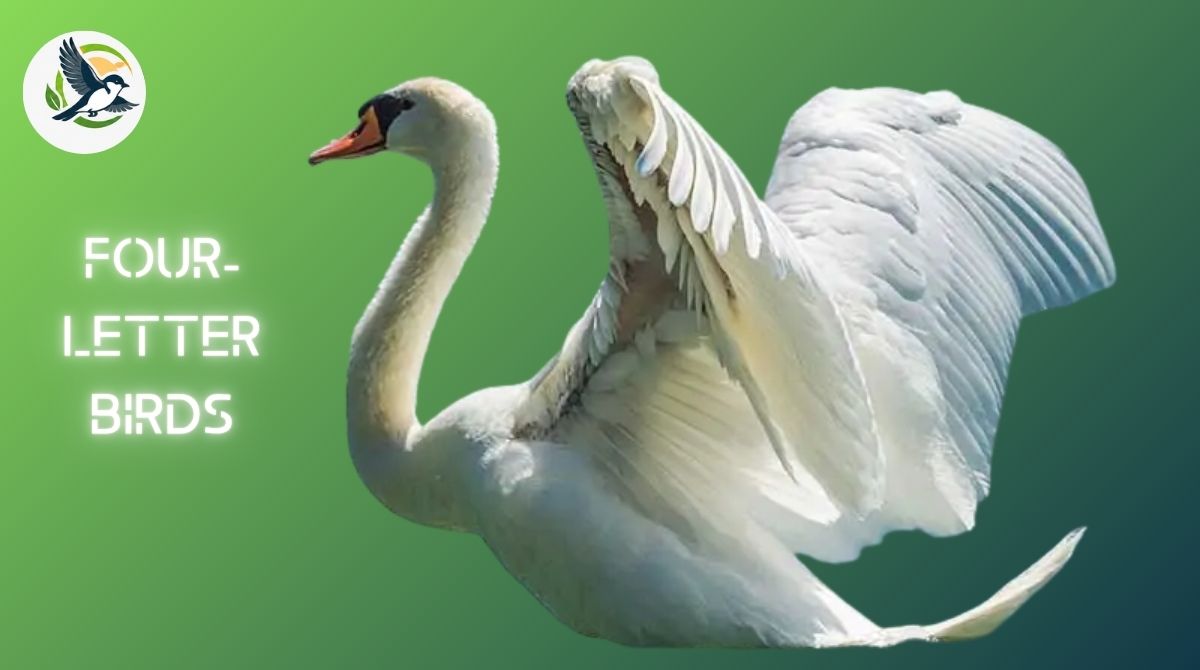
Four-Letter Birds: 10 Beautiful Species With Surprisingly Short Names You’ll Love
It’s incredible to think that the birding world has its fair share of feathered friends with names that only take up four letters. This article sheds light on ten four-letter birds, each more unique than the last. Learning about these diminutive names doesn’t just tickle your curiosity.
It also reminds us of the remarkable variety found in nature. As you read on, you’ll discover interesting facts about these birds and what makes them stand out in the avian kingdom.
What Makes Four-Letter Bird Names So Interesting?
Four-letter bird names possess a unique charm that captivates both birdwatchers and casual enthusiasts alike. These concise names often evoke vivid imagery and a sense of mystery, making them memorable and intriguing. Take the “Dove,” for example; this gentle creature symbolizes peace and affection, transporting us to serene landscapes with just a single mention. Similarly, “Hawk” conjures images of magnificent aerial displays and fierce hunting prowess, reminding us of the wonders of the natural world.
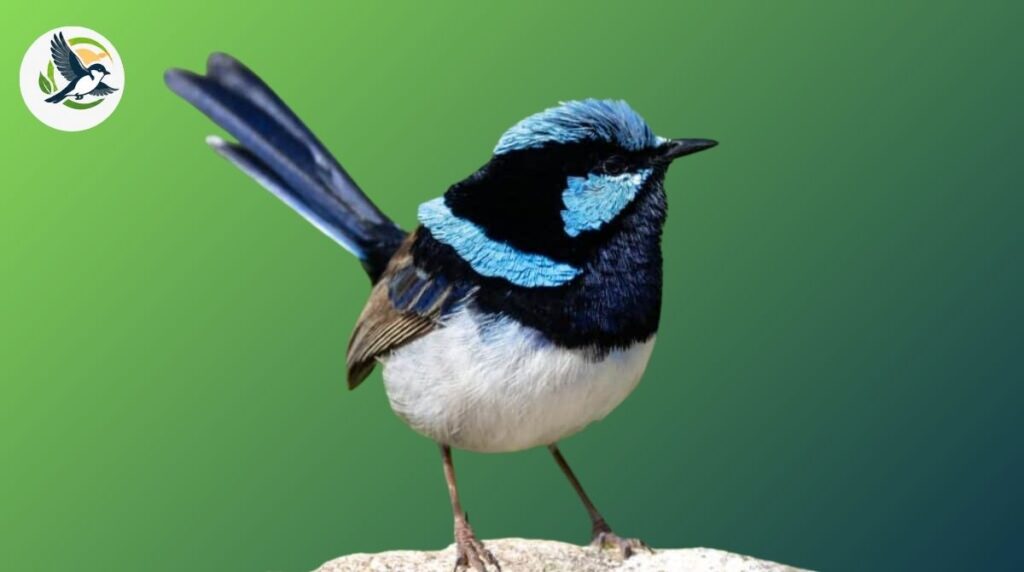
The allure of four-letter birds extends beyond their names; they often serve as delightful entry points for learning about various species. With names that are easy to remember, they draw in budding ornithologists who might otherwise feel overwhelmed by the plethora of bird species.
Top 5 Four-Letter Birds With Unique Adaptations
- Kiwi
- Myna
- Sora
- Rhea
- Ibis
Kiwi
This nocturnal flightless bird from New Zealand is a true marvel. Kiwis possess a remarkable sense of smell, which is incredibly rare among birds, allowing them to forage for insects and worms underground. Their long, slender beaks enable them to probe deeply into the soil, showcasing nature’s unique design for survival.
Myna
The Indian Myna is often recognized for its adaptability in urban environments. Known for its striking yellow eye patches and vocal prowess, the Myna has developed an impressive ability to mimic human sounds and other species. This social bird thrives in flocks and demonstrates problem-solving skills, even using tools to access food, showing its intelligence.
Read more: Desert Birds: 15 Incredible Birds That Flourish in the World’s Driest Landscapes
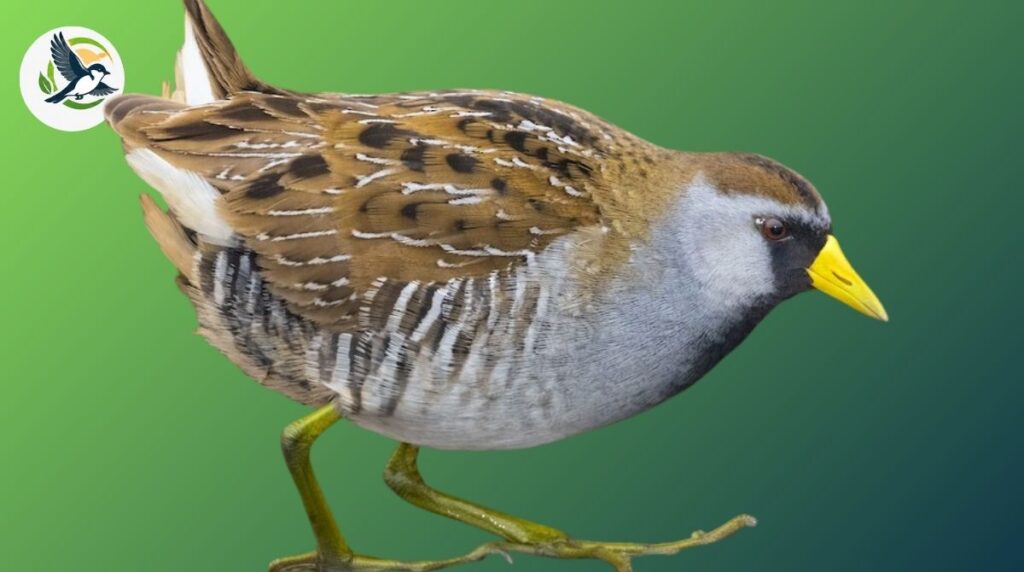
Sora
This marsh-dwelling bird is a master of camouflage. With its cryptic plumage, the Sora blends seamlessly into the reeds, making it difficult for predators to spot. Its unique adaptation includes a secretive lifestyle; it often forages quietly in dense vegetation, using its long toes to step on floating vegetation without sinking.
Rhea
As the largest bird in South America, the Rhea boasts powerful legs that enable it to run swiftly across open grasslands. Unlike ostriches, these birds exhibit a unique social behavior, with male Rheas leading in nesting duties, showcasing a reversal of typical avian roles. Their nature has led to a further evolution of strong muscles, perfect for sprinting through their habitats.
Ibis
Known for its long, curved bill, the Ibis has a specialized feeding method that sets it apart. This adaptive feature allows it to probe into mud and water for crustaceans and insects, revealing a sturdy yet flexible approach to finding food. Additionally, the Ibis is often found in large groups, demonstrating complex social behaviors as they communicate and forage together, creating a fascinating spectacle.
Top 5 Four-Letter Birds Popular Among Birdwatchers
- Wren
- Lark
- Tern
- Teal
- Gull
Wren
The wren, with its lively personality and charming song, often becomes a favorite among birdwatchers. These small, energetic birds flit about in gardens and woodlands, unearthing insects and seeds. Their delightful chirps can brighten any outing, making them a constant reminder of nature’s rhythm.
Lark
Known for their mesmerizing aerial displays, larks captivate observers with their beautiful melodies. Often found in open fields, their songs float down from above, transforming the ordinary into an extraordinary experience. Spotting a lark can be particularly rewarding, as it often requires a keen eye and careful listening.
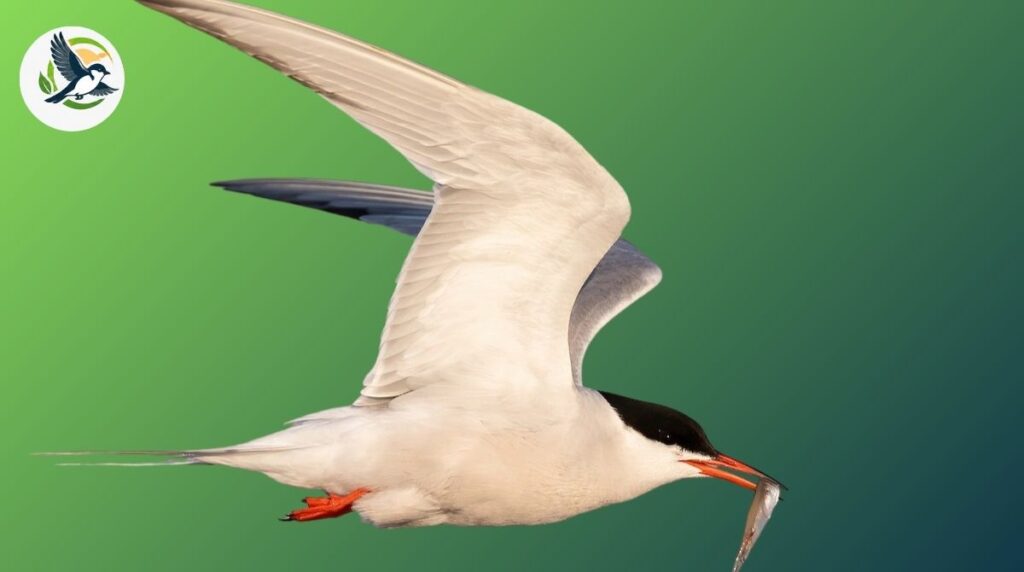
Tern
Elegant and agile, terns are a delight for those who frequent coastal areas. Their striking white plumage and acrobatic diving skills make them a spectacle against the blue backdrop of the ocean. Birdwatchers revel in the challenge of identifying different species, each with unique calls and behaviors.
Teal
A small and vibrant duck, the teal attracts enthusiasts with its distinctive colors and intricate patterns. These graceful swimmers grace ponds and marshes, often in small flocks. Their shy nature means that spotting them requires patience and stealth — a rewarding pursuit for any birdwatcher.
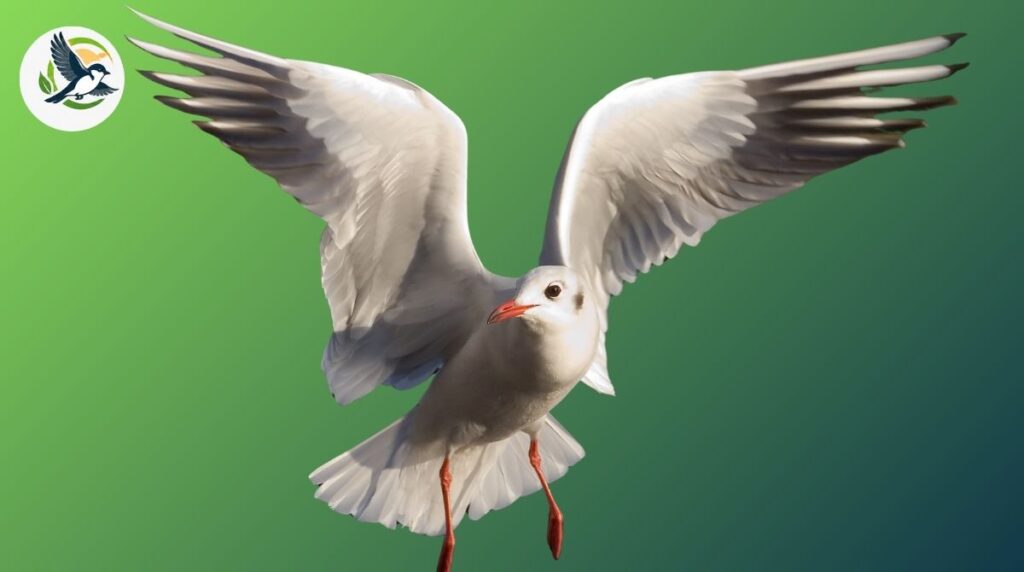
Gull
Often underestimated, gulls possess an intelligence that elevates them beyond mere scavengers. Observing their social interactions and adaptability can offer insights into urban wildlife dynamics. Birdwatchers often find joy in recognizing the subtle nuances between species, showcasing the complexity hidden within these familiar birds.
Four-Letter Birds Found in Different Habitats
Across various habitats, four-letter birds, the Loon, Kiwi, Tern, Myna, and Dove, exhibit remarkable adaptations that reflect their environments. The Loon, often found gliding over northern lakes, is renowned for its haunting calls that echo through tranquil waters. Its striking plumage and diving abilities make it an iconic symbol of wilderness, thriving in serene, rugged terrains.
In stark contrast, the elusive Kiwi, native to New Zealand, is a flightless wonder uniquely adapted to the dense forests and shrublands of its homeland. With its long beak and nocturnal habits, this bird offers a glimpse into evolution, emphasizing the importance of conservation for such vulnerable species.
Feeding Habits of Four-Letter Birds
Four-letter birds, like the well-known “wren” and “duck,” boast fascinating feeding habits that showcase their adaptability and intelligence. Wrens, for instance, habitually scour their environments, using their incredible hearing to locate insects hidden beneath leaves and bark. This keen sense of awareness allows them to thrive in various habitats, from gardens to woodlands, as they continually adapt their foraging techniques to match available food sources.
Ducks are equally intriguing in their feeding behavior, often seen dabbling in shallow waters or tipping their bodies to reach underwater vegetation. These four-letter birds utilize their unique bills to filter out small invertebrates and plant matter, showcasing a blend of grace and efficiency.
Final Words
In conclusion, exploring the world of four-letter birds opens our eyes to the incredible diversity within avian species. Each of the ten unique birds mentioned showcases not only their stunning characteristics but also highlights the simplicity and beauty found in nature’s design.
These feathered friends remind us that sometimes, less is more, whether in their names or their striking features. By appreciating these short-named species, we can deepen our connection to wildlife and understand their vital roles in our ecosystems. So, let’s make a point to observe and protect these remarkable four-letter birds in our local habitats.
FAQs
What are four-letter birds?
Four-letter birds are bird species whose common names consist of exactly four letters.
Can you give examples of unique four-letter birds?
Sure! Some examples include the “Egre,” “Hawk,” and “Jack.”
Why are these birds considered unique?
They often have intriguing characteristics or behaviors, despite their short names!