Featherless Owl: The Viral Image That Changed How People See Owls
Did you know that the Featherless Owl went viral and sparked a global conversation about owl conservation? This unexpected revolution began with a viral image that not only showcased this unique bird but also challenged the way we view these majestic creatures.
In this article, we’ll explore the backstory behind the Featherless Owl, examine the implications of its newfound fame, and discuss why we must reconsider our relationship with wildlife. Get ready to discover how a single photo reshaped perceptions and ignited compassion.
What Does a Featherless Owl Really Look Like?
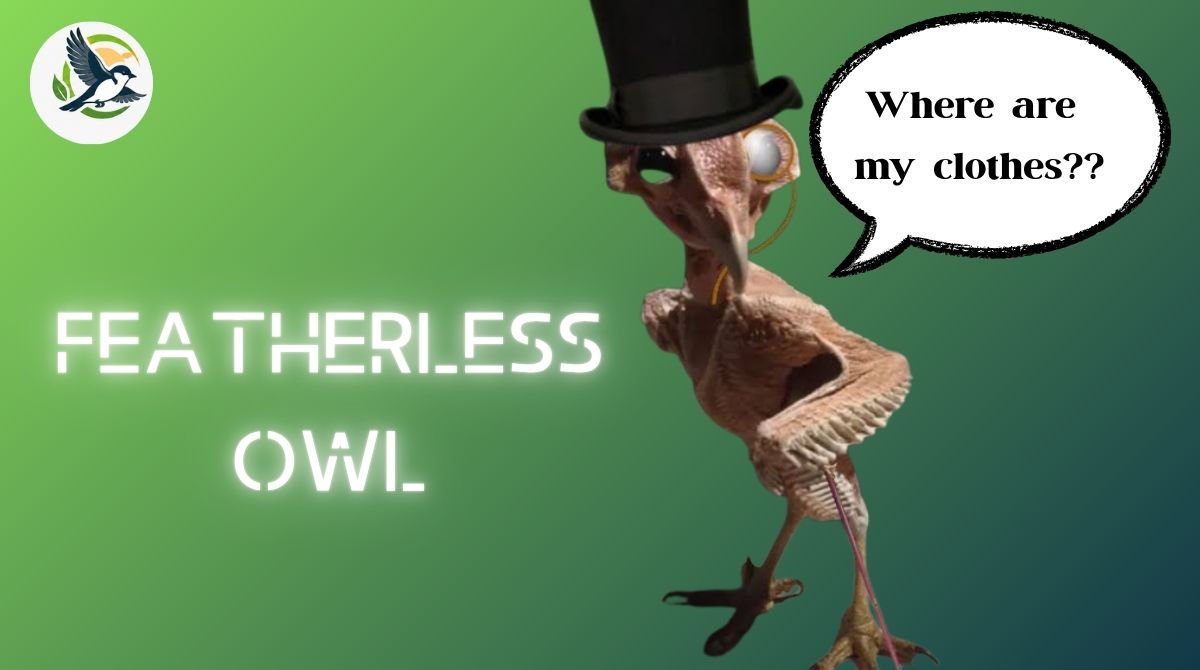
A featherless owl may sound like a whimsical creation from a storybook, yet the reality of such a creature invites both curiosity and intrigue. Imagine an owl without fur, its skin revealing the intricate patterns and textures that are usually hidden beneath layers of soft plumage. The absence of feathers accentuates its unique facial structure, trademarked by those large, penetrating eyes that dominate its face, like deep-set lanterns waiting for the night. This raw visibility can ignite discussions about evolution and adaptation, as the featherless owl might possess a physiological resilience unique to its environment.
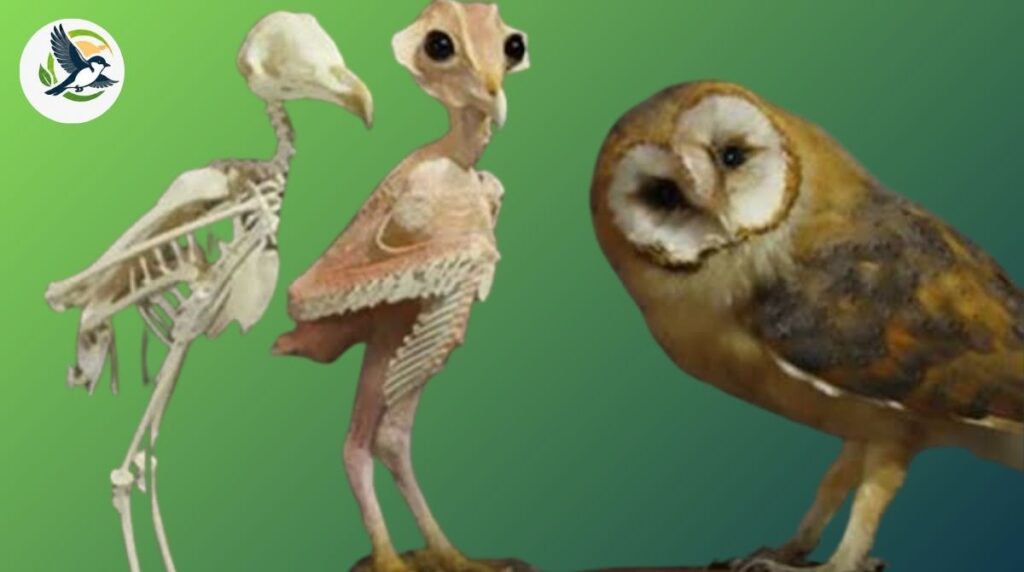
The sight of an owl without fur shifts our perspective on these majestic birds. Typically cloaked in muted shades of browns and whites, a featherless owl’s skin could exhibit a mesmerizing array of colors and hues, reflective of its surroundings.
Why Do Owls Look So Different Without Feathers?
An owl without feathers offers a striking contrast to the majestic, fuzzy creatures we typically admire. The stark, bare skin reveals its intricate anatomy, showcasing features like its large, expressive eyes and uniquely shaped skulls designed for optimal head rotation. This difference is not merely cosmetic; it hints at the evolutionary advantages of feathers, which provide insulation, camouflage, and aid in silent flight. When stripped of feathers, an owl highlights the raw efficiency of its design, prompting us to appreciate the evolutionary journey that led to such adaptations.
Interestingly, observing an owl without feathers also sheds light on their vulnerability. While they are often seen as symbols of wisdom and mystery, the naked appearance brings to the forefront their fragility. It serves as a reminder that even these formidable hunters are subject to the whims of nature.
The Viral Featherless Owl Image Explained
The viral *hairless owl* image has captivated audiences worldwide, stirring both fascination and concern. This peculiar bird, devoid of its usual feathers, ignites discussions about the underlying causes; some speculate it might be due to a genetic mutation, while others suggest a rare condition known as feather dystrophy. Unlike typical cases of avian beauty, the *hairless owl* showcases a raw exposure of its physical vulnerability, prompting viewers to consider the delicate balance of nature and the impact of environmental changes on wildlife.
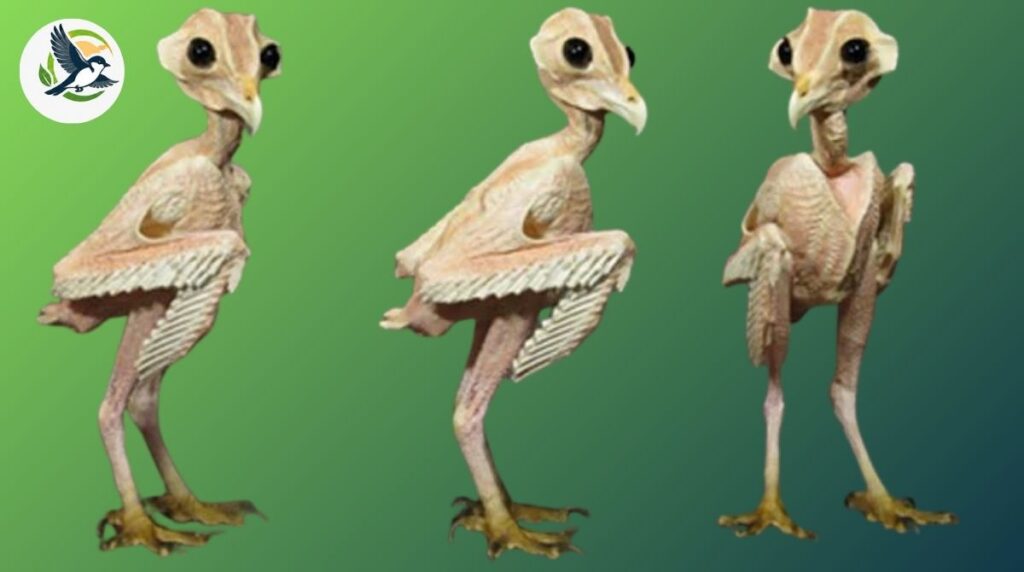
Moreover, the *hairless owl* phenomenon serves as a unique lens to examine bird conservation efforts. Many individuals are now more aware of the complexities involving wildlife health, habitat loss, and climate change that could contribute to such unusual occurrences.
Is the Featherless Owl Image Real or Fake?
The featherless owl image has sparked a wave of curiosity and controversy, leading many to question its authenticity. On one hand, such a creature might seem straight out of a fantasy novel, but on the other, the idea of a bird without feathers is not entirely implausible. Feather loss can occur due to various reasons, such as disease, malnutrition, or genetic mutations, which makes the concept more fascinating. However, the visuals we often see online can easily be manipulated, prompting skepticism about whether the image is a creative fabrication or a genuine snapshot.
Exploring the biological aspect, a bird without feathers wouldn’t just look unusual; it’d also face increased vulnerability. Feathers play critical roles in insulation, flight, and protection from the elements. Therefore, a featherless owl would likely struggle in the wild, presenting a real conundrum for its survival.
Which Owl Species Have Been Seen Without Feathers?
Barred Owl
Known for their striking appearance, Barred Owls have been spotted in various stages of feather loss, often due to parasitic infestations or feather mites. Observing these birds without feathers reveals their unusual, expressive facial features, making them appear surprisingly vulnerable yet captivating.
Great Horned Owl
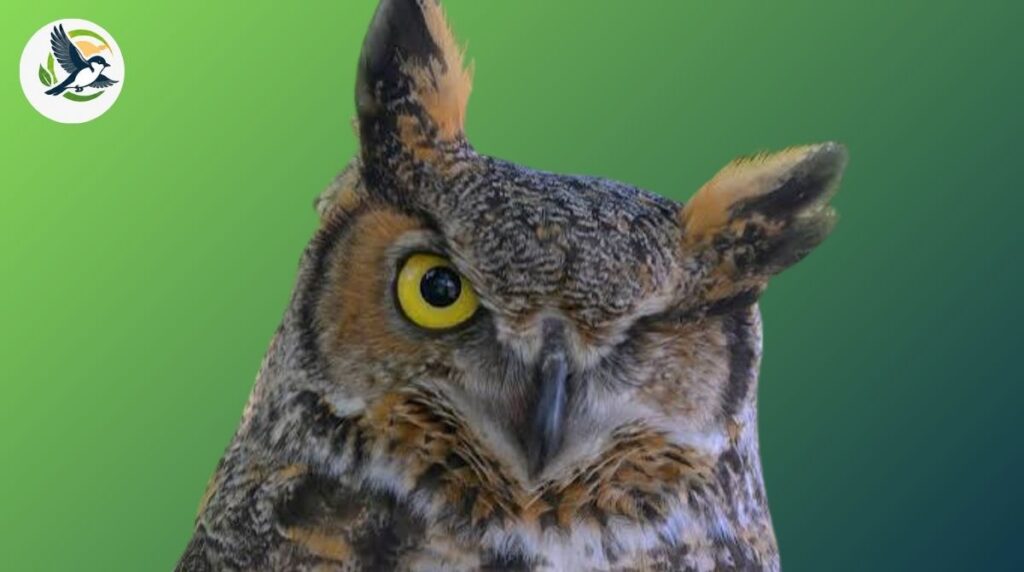
This majestic species showcases a unique adaptability to harsh environments. Instances of feather loss, often linked to molting or illness, expose the owl’s robust musculature and marked talons. Without feathers, the Great Horned Owl transforms into an almost mythical creature, intriguing birdwatchers and conservationists alike.
Barn Owl
While farmed often for pest control, Barn Owls have been documented without feathers, primarily due to captivity stress or dietary deficiencies. In such cases, the contrast of their heart-shaped face against bare skin evokes a sense of fragility, underscoring the importance of proper care and habitat preservation.
Read more: Do Penguins Have Teeth: The Truth About Penguin Anatomy
Each glimpse of a bird without feathers not only compels us to admire their raw beauty but also opens a dialogue about their health and environment. Observing these remarkable creatures reveals insights into their resilience and the challenges they face in nature.
Final Words
The viral image of the featherless owl has sparked a global conversation about the importance of wildlife conservation and the unique challenges birds face in their habitats. It has challenged perceptions, urging people to look beyond the surface and understand the biological needs of these remarkable creatures. As we share this striking image, we also disseminate awareness about the environmental threats affecting owls and other wildlife.
This newfound perspective invites us to advocate for better protection measures and habitat preservation. Let’s continue to educate ourselves and others about the delicate balance of nature and do our part to ensure these beautiful beings thrive.
FAQs
What does a featherless owl look like?
A featherless owl would look quite unsettling and alien compared to its fluffy, feathered counterpart. Without feathers, its skin would be exposed, showing a more skeletal and less rounded shape.
What do owls think when they see humans?
Owls likely see humans as curious creatures but might not process that thought in the same way we do. Their perception is primarily driven by instincts rather than complex emotions.
What is an owl’s worst enemy?
An owl’s worst enemy often depends on the species and the environment. Generally, larger birds of prey, like hawks and eagles, pose a significant threat.